
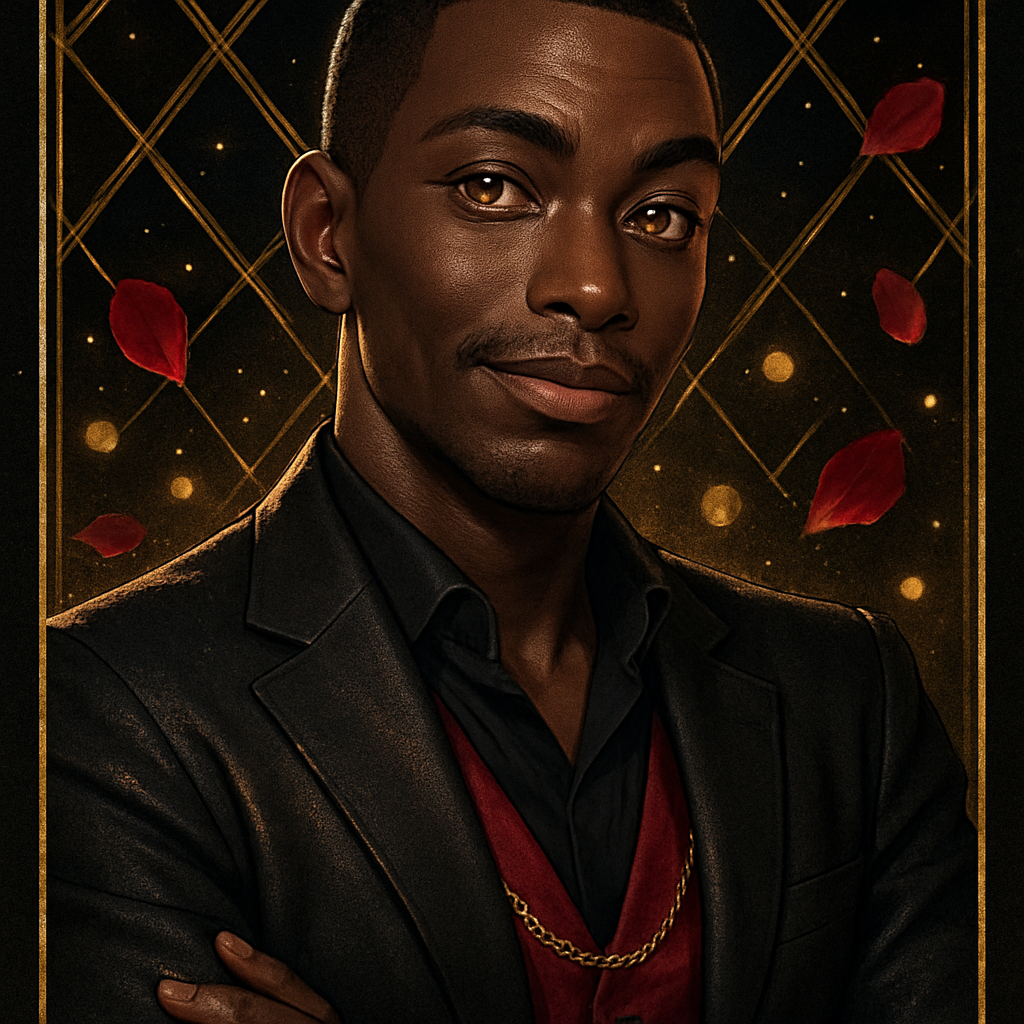
The brat tamer is one of the most distinctive archetypes in the Dominant landscape: playful, composed, genuinely entertained by defiance, and incapable of being destabilized by a brat's best efforts. This lesson defines the role clearly, situates it in BDSM culture, and begins to explain why the particular combination of qualities it requires is rarer than it might appear.
What a brat tamer is
A brat tamer is a Dominant who specifically enjoys, and often seeks out, partners who push back, talk back, disobey, and generally make the Dominant work for their compliance. Rather than requiring automatic obedience, the brat tamer takes pleasure in the game of earning and enforcing compliance. The dynamic is inherently playful, often comedic, and charged with the particular electricity that comes from resistance meeting its eventual resolution.
The brat tamer's defining characteristic is composure. Where other Dominants might find defiance irritating or threatening to the dynamic, the brat tamer treats it as precisely the kind of stimulation they enjoy. They are not destabilized by a brat's mischief. They find it entertaining, even delightful, and they respond with the measured confidence of someone who knows they will win eventually. That unshakeable calm is often more effective at producing submission than any amount of raised voice or issued command.
The label covers a range of people and approaches. Some brat tamers lean heavily into the comedic dimension: the exasperated-but-fond head shake, the theatrical patience, the slow smile that signals the brat has just miscalculated. Others have a cooler, more measured style in which the authority is felt without being performed. What they share is the genuine enjoyment of the push-pull, and the capacity to hold the dynamic steady without losing their center.
What a brat tamer is not
The brat tamer is not a Dominant who has simply learned to tolerate defiance. Tolerance and delight are different things, and the brat tamer genuinely delights in their partner's challenges. A Dominant who finds defiance irritating but manages their frustration is not a brat tamer; they are a person who might be better matched with a more naturally compliant partner.
The brat tamer is also not a Dominant who wins through force, intensity, or genuine severity. The brat tamer dynamic is fundamentally playful, and consequences within it, while real and consensual, are administered with a quality of satisfaction rather than anger or frustration. A brat tamer who genuinely loses their composure in response to a brat's behavior has stepped outside the dynamic, and recognizing that boundary is important for both parties.
Finally, the brat tamer is not the only valid kind of Dominant, and brat-tamer energy does not make someone a better or more advanced Dominant than a person who simply prefers direct compliance. Different Dominants are compatible with different submissives, and the brat tamer's skills are specifically suited to the particular person who expresses submission through resistance. With a genuinely compliant partner, a brat tamer might find the dynamic oddly flat.
The brat tamer in BDSM culture
The brat tamer and brat dynamic has a significant presence in BDSM culture, particularly online. On TikTok and Tumblr, the archetype has generated a recognizable meme language: the exasperated-but-charmed authority watching a brat self-destruct into a corner, the particular smug satisfaction of the tamer when compliance is finally achieved, the brat's theatrical outrage at being caught. This online presence is one reason the dynamic is particularly familiar to newer practitioners.
Debates within the community about whether brat behavior constitutes 'real' submission surface periodically and are generally found beside the point by brats and brat tamers themselves. The dynamic produces genuine power exchange within a framing that includes play and humor, and the quality of the exchange matters more than its conformity to any particular model of how submission should look.
Brat tamer dynamics are popular among newer kink practitioners in part because the playfulness makes negotiation and dynamic-building feel less intimidating than some more formal Dominant structures. The humor embedded in the dynamic creates a kind of safety: there is room for imperfection, laughter, and course correction within the frame, which can make it accessible in ways that more protocol-heavy dynamics are not.
Why this archetype requires genuine compatibility
Brat tamer dynamics require a specific kind of compatibility that is worth understanding clearly. The brat tamer must genuinely find defiance entertaining rather than threatening or annoying. This is not something that can be willed into existence; it is a real preference that either exists or does not. A Dominant who feels their authority is being undermined by a brat's behavior, rather than engaged by it, is not a good match for that particular person.
The compatibility runs the other direction as well. Brats are not simply submissives who behave badly; they are people whose submission is expressed through resistance, and the brat tamer is the specific kind of Dominant who can meet that expression correctly. A brat whose tamer cannot hold the dynamic with warmth and composure may feel unseen, or may escalate behavior looking for the right response and never finding it.
Good brat tamer dynamics are built on mutual recognition: the brat knows they have found the person who will not be thrown by their behavior, and the tamer knows they have found the person whose defiance is genuinely fun to engage. When that recognition is present, the dynamic tends to click into place with a particular satisfying inevitability.
Exercise
Identify Your Brat Tamer Instincts
This exercise helps you examine whether the brat tamer archetype is genuinely a fit for you, or whether it is a role you are curious about for other reasons.
- Think of a moment in your life, inside or outside of kink, when someone pushed back on you, resisted your direction, or challenged your authority. Write a sentence or two about how that felt: annoying, amusing, energizing, threatening, or something else.
- Now imagine the same moment with a person you find genuinely appealing, where the pushback is clearly playful rather than malicious. Does your emotional response change? Write about what changes and what stays the same.
- Write a description of the type of defiance you would genuinely find entertaining to engage: the style, the flavor, the quality of the challenge. Be specific rather than abstract.
- Write a description of the type of defiance you would find genuinely difficult, not fun to manage, or outside what you want to engage with. This is your version of the brat tamer's personal limits.
Conversation starters
- What draws you to the brat tamer dynamic specifically, rather than other Dominant styles?
- Do you find defiance genuinely entertaining, or is there part of you that finds it irritating even when you manage it well?
- Have you been in a dynamic with a brat before, and what did you discover about yourself in that dynamic?
- What does composure mean to you in a D/s context, and do you feel you have it naturally or that you have developed it?
- What kind of defiance do you find most engaging, and is there a flavor of brat behavior that you find genuinely difficult?
Ways to connect with a partner
- Ask your brat partner to describe, from their perspective, what they are actually seeking when they push back. Listen without defending or analyzing.
- Share your own description of what you find entertaining versus difficult about their defiance, being honest about both.
- Talk together about where the line is between defiance that is fun and within the dynamic, and behavior that genuinely crosses a line for either of you.
- Discuss what makes the dynamic feel good for both of you, and what either of you would want more of.
For reflection
When you imagine being genuinely challenged by a brat's behavior, what do you notice in yourself? Is the first response amusement, irritation, a desire to engage, or something else?
The brat tamer archetype is specific, and when the fit is genuine, it produces a dynamic that is rare in its particular combination of warmth, humor, and real authority. The next lesson explores what it feels like from the inside.