
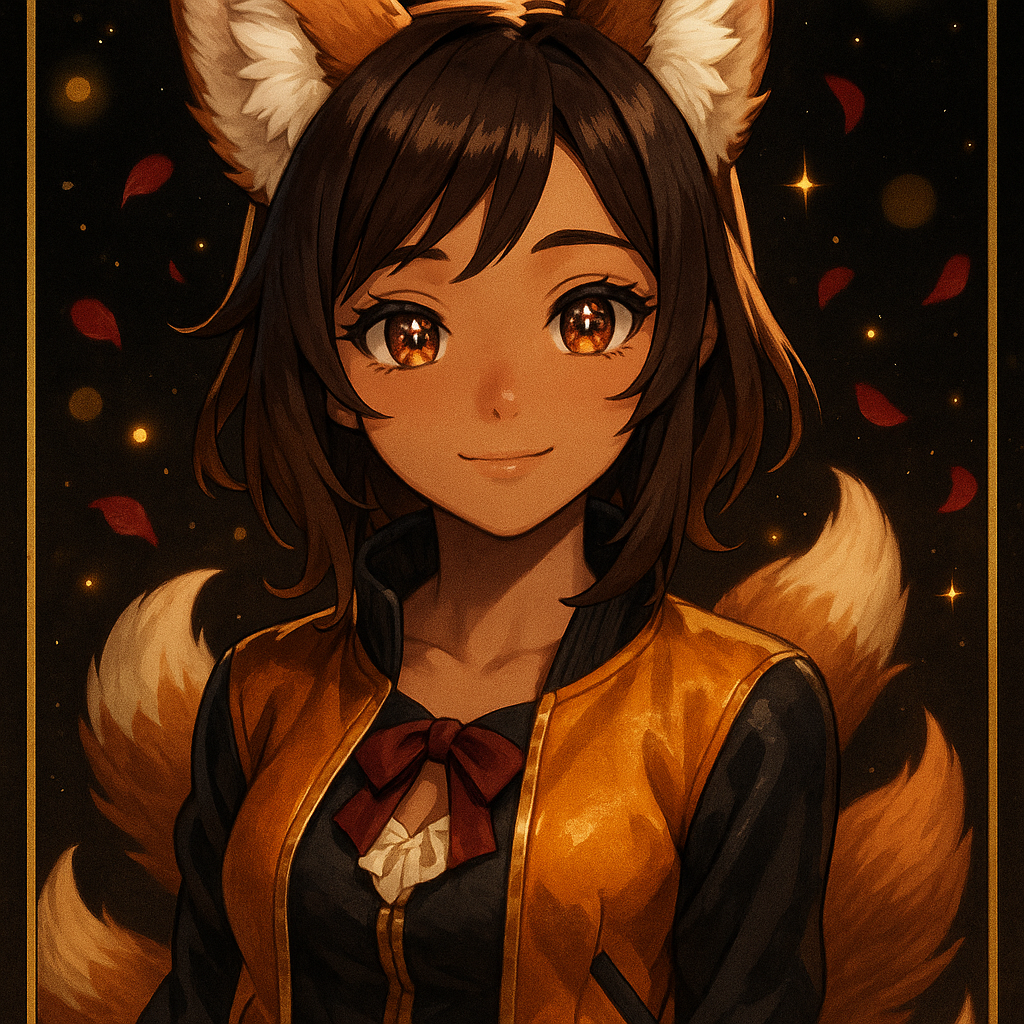
The fox is one of the most culturally rich and dynamically distinctive pet play identities. Understanding what it actually is, what it draws from, and what makes it different from other animal personas is the essential starting point for anyone drawn to the archetype.
The fox archetype in pet play
Fox play is a pet play identity organized around the fox's particular combination of cleverness, charm, curiosity, and a trickster's capacity for mischief. The fox is not simply a well-behaved pet with unusual ears; the archetype carries genuine wildness, quick intelligence, and a quality of being always, slightly, one step ahead. Being a fox in pet play means bringing those qualities into the dynamic rather than setting them aside.
Within the broader world of pet play, the fox occupies a distinctive position. Where some pet identities, such as the bunny or the kitten, lean primarily toward softness and compliance, the fox has significant overlap with the brat archetype. A fox pet generates engagement through their cleverness rather than through pure compliance, and a handler who expects simple obedience from a fox will find themselves regularly surprised. This is not a flaw in the archetype; it is central to what makes fox play genuinely interesting.
The fox also carries an unusual degree of cultural and mythological richness compared to many pet play identities. Across Japanese kitsune mythology, Aesopic fable, European folktale, and contemporary fiction, the fox is consistently the trickster, the shape-shifter, the deeply compelling figure whose motives are never entirely transparent. Fox pets who are steeped in these traditions often bring that mythology consciously into their persona, and the resulting play has layers of meaning that make it among the more intellectually and aesthetically interesting expressions of pet play.
What distinguishes fox play from other pet identities
The fox's most distinctive quality is its active intelligence. A fox pet is not waiting to be directed; they are observing, evaluating, and often acting on their own assessment of the situation. This makes fox play fundamentally interactive in a way that more compliant pet identities are not. The handler of a fox is not simply providing care to a responsive creature; they are engaged in a genuine dynamic with something that is paying close attention and responding with its own wit.
The fox's overlap with brat energy is real but not complete. A brat uses defiance to provoke a taming response; the fox's mischief is more intelligent and more mercurial than that. Fox pets are not simply refusing instructions in order to invite correction. They are navigating the dynamic with their own internal logic, which may involve compliance, charm, misdirection, or genuine engagement at different moments, and which is more interesting precisely because it does not follow a simple script.
Fox play also tends toward stronger persona development than many other pet identities. Fox pets often have specific names, backstories drawn from mythology they identify with, characteristic behaviors that belong to their particular fox rather than the archetype in general, and a strong sense of their own aesthetic. This investment in a developed persona is part of what gives fox play its distinctive depth.
The cultural roots of the fox archetype
Japanese kitsune mythology is the richest single source for the fox pet identity. In this tradition, the kitsune is a supernatural being of considerable power, capable of shape-shifting, possessing a range of moral orientations from benevolent to dangerous, and often deeply associated with both wisdom and trickery. The kitsune's multiple tails mark increasing power and experience, and many fox pets who draw from this tradition incorporate tail imagery into their aesthetic and persona development with conscious reference to its mythological meaning.
Western fox traditions, from Aesop's cunning fox to medieval Reynard the Fox to Roald Dahl's Fantastic Mr. Fox, offer additional layers of the clever, adaptable archetype. These traditions emphasize the fox's capacity to outwit larger, more powerful opponents through intelligence rather than strength, a quality that many fox pets recognize in their own dynamic preferences.
The furry community, which has significant overlap with kink-adjacent spaces, has produced a large and vibrant fox character culture that has influenced the aesthetic and community texture of fox pet play. For practitioners who have come to fox play through furry community spaces, that background is a legitimate and enriching part of their fox identity rather than something to set aside.
Where fox play sits in the BDSM landscape
Fox play is a form of power exchange and identity play within BDSM, with the fox-handler relationship involving the fox's offer of engagement and the handler's responsibility for genuine attentiveness. The power dynamic in fox play has a specific texture: the fox does not simply submit; they offer their intelligence and engagement to someone they find worthy of it. That offer is real, and it carries real weight.
Fox play has notable overlap with primal kink for many practitioners. The fox's wildness, its instinctual quality of movement and response, its quick attention to the environment, these qualities connect to the instinct-driven experience that primal play foregrounds. Some fox pets experience their play as primarily primal with a fox persona as the frame; others approach it from a more structured pet play direction. Both are legitimate expressions of the archetype.
The fox identity is also notably gender-expansive within the pet play world, attracting practitioners across a very wide range of gender identities and expressions. The archetype's qualities, cleverness, charm, mischievousness, adaptability, do not map onto any particular gender presentation, and the fox pet community reflects that breadth.
Exercise
Meeting your inner fox
Before building a fox dynamic with a partner, it is worth getting to know what the archetype specifically means to you.
- Spend ten minutes reading about kitsune mythology or another fox folklore tradition that interests you, noticing which specific qualities or stories resonate with your sense of your own fox persona.
- Write three to five qualities that belong to your specific fox rather than the archetype in general. What makes your fox distinct?
- Identify the cultural or fictional fox representations that feel most like your version of the archetype. These can be from mythology, fiction, film, or artwork, and they do not have to be from kink spaces.
- Write one sentence that your fox might say that captures their particular voice. It does not have to be clever; it just has to be honest to who your fox is.
Conversation starters
- Which cultural tradition, kitsune mythology, western folktale, or another source, feels most alive in your fox persona, and why?
- Is your fox more charming and theatrical, or more quietly observational and precise? How does that quality express itself in your play?
- What is the difference, for you, between fox play and brat play? Where do the two overlap and where do they diverge in your experience?
- Do you experience fox play as connected to primal instinct, or is it more of a deliberate and persona-driven practice?
- What does your fox need from a handler that you have not always found easy to find?
Ways to connect with a partner
- Share the fox traditions and representations that feel most like your persona with a potential handler and ask what those materials bring up for them.
- Ask a potential handler to describe their approach to a fox's mischief: how they would engage with it, when they would respond playfully, and what would feel like too much.
- Read some kitsune or fox folklore together and discuss which elements either of you would want to incorporate into your dynamic.
For reflection
What quality of the fox archetype, specifically its intelligence, its trickster charm, its mythological depth, or its wildness, feels most genuinely like an expression of who you are rather than a persona you are adopting?
The fox is one of the richest and most layered pet play identities precisely because it draws from such deep cultural roots, and taking time to understand those roots as they live in your specific version of the archetype makes everything that follows more alive.