
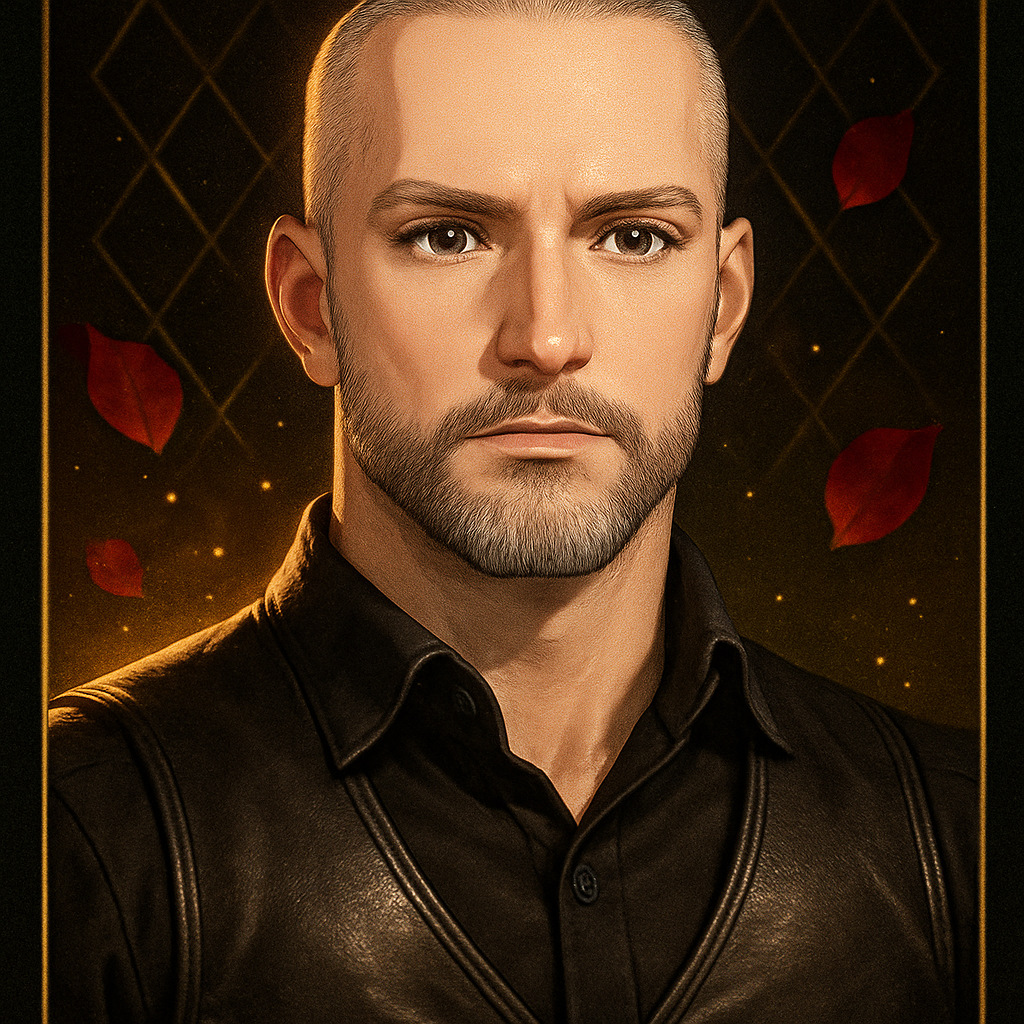
Leather topping has a rich repertoire of specific practices, rituals, and scene structures that distinguish it from generic power exchange. This lesson covers the concrete practices that define this identity in action, and offers realistic first steps for those at different stages of their development.
Gear Rituals and the Ceremonial Dimension
One of the most distinctive aspects of leather practice is the ceremonial weight given to gear. For a serious Leather Top, the donning of leather is not merely getting dressed; it is a ritual transition that marks the movement into a particular mode of being and a particular kind of authority. Many Leather Tops have specific sequences for putting on their gear, specific care practices that make the maintenance of leather a regular meditative practice, and a strong awareness of the symbolic weight of the items they wear.
The care of leather itself is worth taking seriously as a practice. Conditioning, cleaning, and storing leather correctly keeps it functional and beautiful, and the attention required for this care is part of how experienced practitioners develop their relationship to the material. A Leather Top who neglects their gear is communicating something about their relationship to the tradition, even if that is not their intention.
Gear can also be part of scene structure. The formal inspection of gear, the ceremonial meaning of specific items, and the visual and tactile presence of leather in a scene all contribute to the particular atmosphere of leather play. These elements can be incorporated gradually, starting with the aspects that feel most resonant and building from there.
Formal Protocol Scenes
Protocol scenes are structured exchanges where behavioral expectations are explicit and upheld throughout. A Leather Top running a protocol scene will typically establish clear rules at the outset: how the bottom is to address them, what positions the bottom should take, what the bottom may and may not do or say without permission, and how the scene will begin and end. Within this structure, the top directs the scene through instruction, correction, and acknowledgment.
The value of protocol scenes is that they make the power exchange visible and concrete through specific, observable behavior rather than relying on abstract deference. When a bottom addresses their top formally, takes a prescribed position, and behaves according to established rules, the power exchange is enacted rather than only felt. This concreteness can be deeply satisfying for both parties and creates a clear framework within which corrections, rewards, and escalation all have specific meaning.
Protocol scenes require careful pre-scene negotiation about what the specific rules will be and how the bottom will signal if they need to exit the protocol. The formality of the scene does not eliminate the need for ongoing safety; it means that the safety mechanisms need to be clear enough to work within the formal structure.
Practical First Steps for Building Your Practice
For someone early in their leather top development, the most important first steps are parallel: develop your craft and develop your community connections simultaneously rather than treating one as a prerequisite for the other. Entering community spaces while actively working on skills gives you both the social context and the technical foundation that the identity requires.
Specific first steps might include: attending a leather community event in your area, identifying a leather organization or educational group you can participate in, finding a mentor through community connections rather than only through online searching, taking a specific technical workshop in the play type that is most central to your practice, and building one formal protocol into an existing dynamic to begin developing that dimension of your practice.
It is worth being honest with yourself and your partners about where you are in your development. Leather Tops who are early in their practice and honest about it are received far more generously by established community members than those who overclaim their standing. The tradition respects the learning position genuinely; it has less patience for false authority.
- Attend one leather community event. Whether a leather bar night, an educational meeting, or a larger event like a regional leather run, showing up in person is the most direct way to begin community connections.
- Find a leather-specific workshop or class. Many communities offer workshops on specific play types taught by experienced practitioners; these are both a technical resource and a community entry point.
- Introduce one formal protocol element. Choose one specific protocol, such as a form of address or a positional expectation, negotiate it carefully with a partner, and practice maintaining it through a scene.
- Read foundational leather texts. Works like Gayle Rubin's ethnographic writing on leather culture or the published histories of leather organizations provide the historical grounding the identity requires.
Exercise
Design a Protocol Scene
Designing a specific protocol scene in advance requires you to think through the structure, the expectations, the safety mechanisms, and the specific experience you want to create. Use this as a planning exercise rather than a finished script.
- Describe the overall shape of the scene you are designing: how it will begin, what the central activities will be, and how it will close. Keep this brief and structural rather than detailed.
- Write out the specific behavioral expectations that will govern the scene: forms of address, positions, what the bottom may and may not do without permission, and how correction will be delivered.
- Identify the safety mechanisms that will operate within the protocol structure: the safeword, how the bottom can signal distress if they are in a position that limits speech, and how you will check in during the scene.
- Describe the gear that will be part of the scene and what ceremonial or symbolic role it will play, if any.
- Write out what the debrief conversation after this scene will cover, and when it will happen.
Conversation starters
- What is the ritual you have developed around your gear that feels most genuinely meaningful to you, and how did it develop?
- What was the first formal protocol you ever maintained through a full scene, and what did you learn from the experience?
- How do you calibrate the level of formality in a protocol scene to what the bottom can genuinely sustain, and how does that calibration develop over time?
- What community event or space first made you feel that you were genuinely part of the leather tradition rather than only interested in it?
- How do you handle it when a protocol breaks down in a scene, whether through the bottom's distress or an unexpected complication?
Ways to connect with a partner
- Design a simple protocol scene together, with your partner's active input on what elements they want to experience and what expectations they can sustain, then run the scene and debrief carefully afterward.
- Introduce a gear ritual into your shared practice, whether related to your leather or theirs, and discuss what ceremonial meaning it carries for each of you.
- Attend a leather community event together and discuss afterward what elements of the community culture felt like they related to your own dynamic.
- Identify one concrete skill area where your partner can help you develop by providing honest feedback about what they experience when you practice it with them.
For reflection
What is the ritual or practice in your leather top identity that you would most want to pass on to someone you were mentoring, and what does that priority reveal about what is most essential to you?
The concrete practices of leather topping, from gear care to protocol scenes to community participation, are where the identity becomes real; theory and aspiration become a practice through specific, repeated, and carefully evaluated action.