
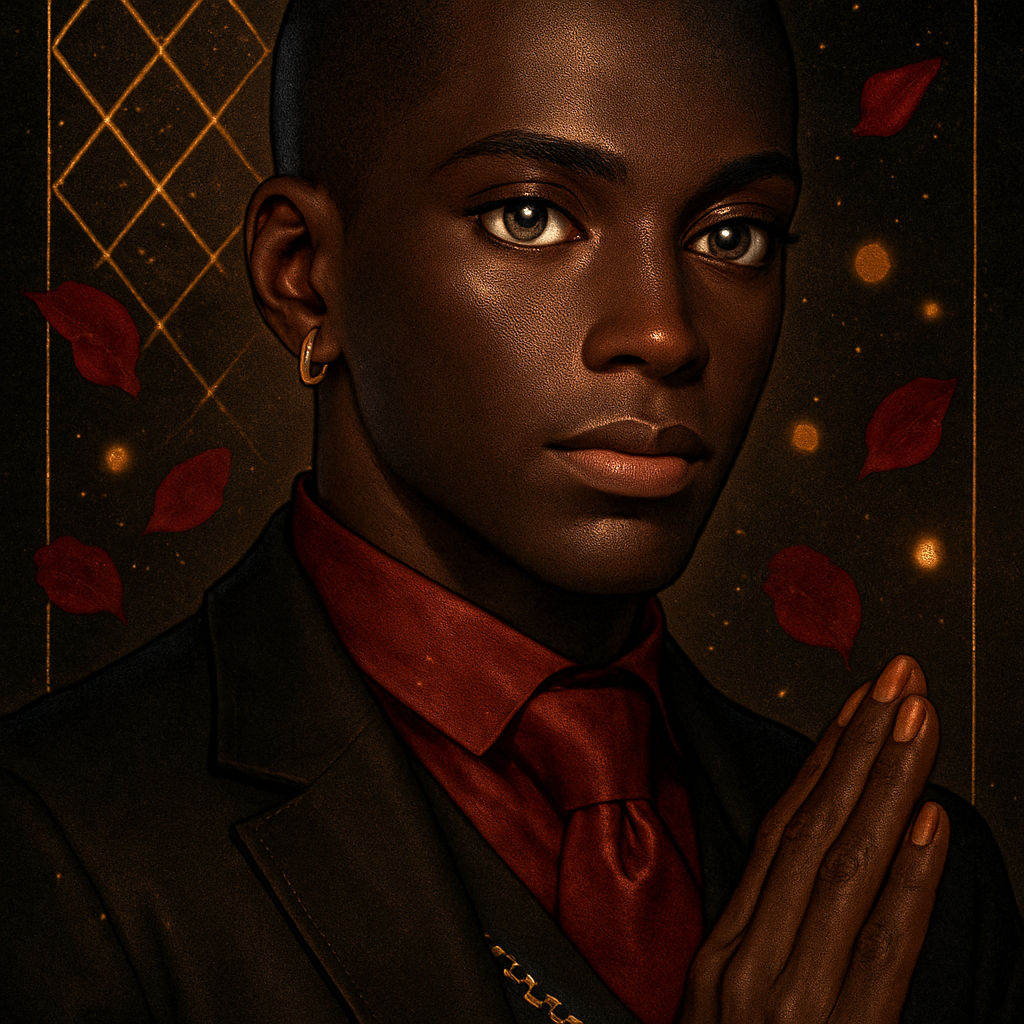
The Owner archetype is built on a specific quality of attachment that distinguishes it from other forms of Dominance: a fierce, warm possessiveness that is fundamentally about belonging rather than hierarchy. This lesson examines what that means in practice and where this role lives in the broader kink landscape.
Consensual possession and what it actually means
The language of ownership in kink is consensual and metaphorical, but it is not casual or merely decorative. When an Owner says 'mine,' that claiming carries genuine emotional and relational weight for both parties. What makes Owner/property or Owner/pet dynamics work is the particular quality of intimacy they create: the person being claimed is cherished specifically because of their belonging to this particular person, and the Owner takes their responsibility for what is theirs with real seriousness.
This is a significant distinction from dominance understood primarily as hierarchy or authority. An Owner is not primarily interested in being obeyed or in having their commands executed; they are interested in the specific and profound quality of being responsible for someone who is genuinely theirs. The possessiveness is not indifferent control but warm, specific, deeply felt attachment that takes the wellbeing of what it claims as its central concern.
Where the Owner role appears
The Owner archetype is most culturally embedded in the pet play community, where it is the standard term for the Dominant partner in an Owner/pet dynamic. Pet play is among the most active subcultures within broader BDSM spaces, with dedicated communities on FetLife, Discord, Reddit, and at kink events that often include designated pet play areas. In these communities, the Owner is understood to be responsible for their pet's wellbeing during events and in play, and that responsibility is taken seriously as a community norm.
The Owner role also appears in other contexts. Some Master/slave dynamics use owner/property language to describe the character of the authority. Some Caregiver/Little dynamics carry a possessive quality similar to the Owner archetype. And some practitioners simply find that the emotional register of claiming and being claimed is what resonates for them in their Dominant identity, without any specific adjacent framework required. The Owner archetype is a way of understanding a particular quality of Dominance that crosses multiple community contexts.
- Pet play dynamics, where Owner is the standard term for the Dominant partner across all pet types.
- Master/slave relationships that use owner/property language to describe the character of the authority transfer.
- Caregiver dynamics that include a strong possessive element in the Dominant's orientation toward care.
- Dynamics built purely around the emotional register of claiming and being claimed, without a specific adjacent framework.
- Human pony play, dollification, and other roleplay frameworks where belonging to a specific person is central to the dynamic.
What distinguishes the Owner from other Dominants
The Owner archetype is most precisely distinguished by its particular quality of attachment. Other Dominant archetypes exercise authority through formal protocol, through the management of hierarchy, through skill and expertise in specific kink practices. The Owner exercises authority through the quality of their claiming and through the attentiveness their investment in what is theirs creates.
An Owner who is not genuinely attached to and invested in the specific person in their care is not fully inhabiting the archetype. The possessive energy is the emotional core, and it cannot be faked convincingly over time. Partners in Owner dynamics often describe the quality of being specifically known and claimed as one of the most significant things the dynamic gives them: not just being dominated but being owned by this particular person, whose attention and investment make the belonging feel real.
This also means the Owner's authority is fundamentally relational rather than structural. It derives from the quality of the bond rather than from formal agreements or hierarchical position. The collar an Owner places on their pet is a mark of attachment as much as it is a mark of authority, and the two are inseparable in the archetype at its best.
The ethical foundation
Ownership language in kink has generated ethical discussion in community contexts, partly because the metaphor of possession raises genuine questions about agency and autonomy. The consensual framing of these dynamics is essential: the person being owned retains their fundamental autonomy and the capacity to withdraw consent from the dynamic. The ownership is a relational structure both parties have constructed and chosen, not a legal or factual claim that overrides the submissive partner's personhood.
Well-functioning Owner dynamics are clear about this distinction. The Owner holds the dynamic's possessive frame with warmth and genuine investment, while also respecting the actual person within it with the recognition that the claiming is only meaningful because it is genuinely chosen. This is not a tension or a contradiction; it is the ethical foundation that makes the dynamic possible.
Exercise
What Claiming Means to You
This exercise examines the specific quality of possessiveness that draws you to the Owner archetype.
- Write a paragraph describing a moment, inside or outside of kink, when you have felt the specific quality of fierce, warm attachment to something or someone in your care. Describe what that feeling was like.
- Write a paragraph describing what you imagine saying 'mine' to a partner in a kink context to mean: not the word itself but what it would mean for how you treat them and how you feel about them.
- Write a paragraph describing what you understand your responsibilities to be toward someone you claim as yours, in concrete terms rather than general principles.
- Identify the element of the Owner role that resonates most strongly for you: is it the quality of attachment, the responsibility, the specific care practices, or something else? Write one sentence naming it.
Conversation starters
- What does the word 'mine' mean to you in a kink context, and how does that meaning differ from how you would use it in ordinary language?
- How do you understand the relationship between consensual ownership and your partner's ongoing autonomy and personhood?
- What draws you to the Owner archetype specifically, rather than to Dominance more generally?
- In what specific ways does your possessiveness express itself as attentiveness and care rather than as control?
- How has your understanding of what it means to own someone evolved through your actual experience in this role?
Ways to connect with a partner
- Ask your partner what the experience of being owned means to them, using their own language rather than yours, and listen carefully.
- Describe specifically what being claimed by you would look like in daily life, and ask your partner whether that matches what they are drawn to.
- Talk about the collar: what it means to each of you, what placing or wearing it represents, and what you would want the ceremony of it to be.
- Discuss what your partner understands their right to withdraw from the dynamic to be, and how you both understand that right to coexist with the dynamic's possessive frame.
For reflection
When you imagine the Owner role at its best, what is the quality of the attachment between you and the person you claim, and what does that quality of attachment demand of you?
The Owner archetype is most fully realized when the possessiveness at its center is as warm and invested as it is fierce, and when the responsibility it creates is genuinely carried rather than merely claimed.