
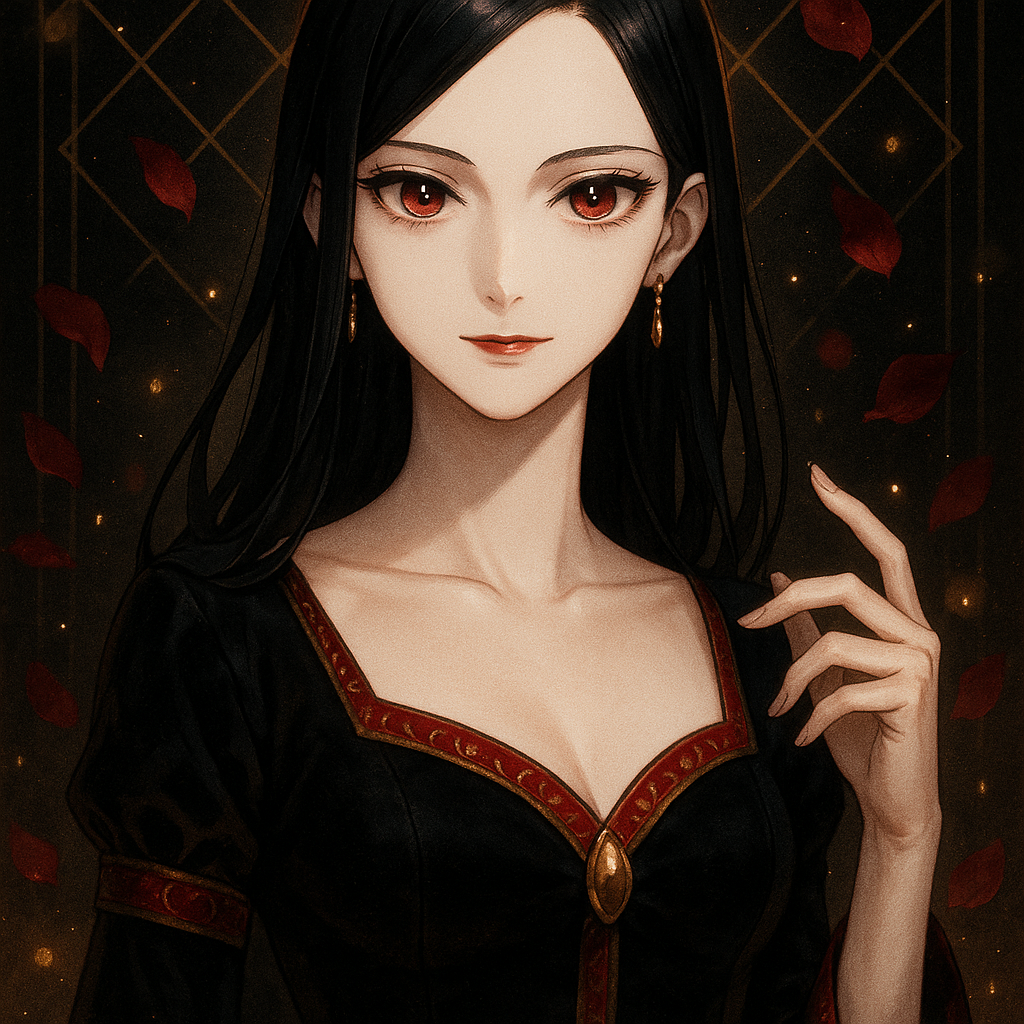
The Vampire Dom archetype draws on one of Western culture's most enduring and explicitly erotic figures: the immortal being who hungers with precision, who selects rather than seizes, and who offers something transformative in exchange for what they take. This lesson establishes what the archetype is, where it comes from, and what distinguishes it from other Dominant orientations.
What the vampire archetype actually offers
The Vampire Dom brings a specific combination of qualities to a dynamic that no other Dominant archetype replicates exactly: extreme patience, absolute focused attention, the specific quality of being hunted by someone who has waited for a long time and has found what they were looking for. For submissive partners, being chosen by a Vampire Dom carries a particular weight. They are not simply desired; they are selected. The vampire has existed for centuries and has encountered many people, and they have identified this specific person as worth their ancient, precise attention.
This quality of selection is central to the archetype's appeal. The Vampire Dom does not want generically; they want specifically. The focused hunger they bring to a dynamic is not diffuse attraction but targeted, specific, and entirely certain of its object. For submissives who find the experience of being truly seen and specifically chosen deeply compelling, the Vampire Dom provides this at an unusual intensity.
The archetype also brings the specific tension of the predator-sophisticate: someone who is simultaneously dangerous and cultivated, who can move between formal elegance and complete animal focus without effort. This combination, the refined surface over the genuine hunger underneath, is the Vampire Dom's particular gift to a dynamic, and it distinguishes them from Dominants whose authority is expressed purely through formality or purely through intensity.
Two centuries of erotic tradition
The vampire as erotic archetype has a 200-year literary and cultural history that provides the Vampire Dom with an exceptionally rich tradition to draw from. Sheridan Le Fanu's Carmilla in 1872 established the vampire as an explicitly sexual figure; Bram Stoker's Dracula in 1897 fixed the mythology in its most familiar form while making the erotic dimensions unmistakable. The 20th century produced a cascade of adaptations and elaborations, from F.W. Murnau's Nosferatu through the Hammer Horror tradition through Anne Rice's Interview with the Vampire, which articulated the vampire's complex inner life and the specific eroticism of the feeding relationship with extraordinary vividness.
The Starz television series True Blood and the Twilight franchise, whatever their respective critical reputations, demonstrated the breadth of the vampire's erotic appeal across different aesthetic registers and audience demographics. The Gothic horror vampire, the romantic vampire, the political vampire of Rice's world, the brooding paranormal romance immortal: each offers different material and a different emotional register for scene-building. Vampire Dom practitioners often develop a strong personal aesthetic within this tradition, drawing from specific sources that resonate most deeply.
The scholarly tradition around the vampire as erotic figure is also substantial. The specific elements of the vampire encounter, the intimacy of the neck and throat, the exchange of something vital, the surrender to something that takes without taking against your will, have been analyzed as one of Western culture's central erotic metaphors. This cultural depth gives the archetype a weight and specificity that purely invented roleplay figures do not have.
How the Vampire Dom fits within BDSM
The Vampire Dom sits primarily within the Dominance and submission dimension of BDSM, but with a strong roleplay and fantasy component that distinguishes it from purely psychological or protocol-based power exchange. The archetype is most fully realized when both the dominant qualities, the focused attention, the patient intensity, the quality of precise selection, and the fictional frame, the gothic atmosphere, the specific mythological elements, are genuinely present.
The Vampire Dom has specific relationships with several other dimensions of kink practice. Sensation play, particularly involving neck and throat, is often central. Psychological intensity, the slow-build tension of a scene structured around anticipation rather than immediate action, is characteristic. Some practitioners explore consensual non-consent adjacent dynamics, using the vampire fiction's specific framing of consent, the mortal who cannot quite refuse something they genuinely want, as a structural element of specific scenes.
The archetype also has strong aesthetic dimensions. Gothic fashion, decor, music, and atmosphere are not peripheral to the Vampire Dom identity; they are central expressions of it. A Vampire Dom who has not invested in the atmospheric elements of their practice is working with significantly less than the archetype offers. The environment does real work in these dynamics, and practitioners who treat it seriously find that the investment returns considerably.
What the Vampire Dom is not
Several misunderstandings about the Vampire Dom archetype are worth addressing from the beginning. The archetype is not simply intense Dominance with Gothic aesthetics added. The specific qualities of patience, the long game, the precise and certain focus of desire, and the transformative quality of the encounter are essential rather than decorative. A Dominant who is simply dramatic with dark clothing is not inhabiting the Vampire Dom archetype.
The vampire feeding dynamic, when it appears in scenes, requires specific, careful, and very explicit negotiation. Blood play carries health risks that require specific safety precautions, informed consent, and in some cases medical knowledge. The atmospheric and psychological elements of the vampire encounter, the neck and throat sensation, the intimacy of proximity, the focused attention, can be deeply powerful without any blood play at all. Many Vampire Dom practitioners never include actual blood play in their practice, finding that the archetype's essential qualities are fully expressed through other means.
Finally, the Vampire Dom is genuinely a dominant archetype. The patience and cultivated composure of the vampire persona does not diminish the reality of the power dynamic; it expresses it in a specific register. Submissive partners in Vampire Dom dynamics are genuinely submitting, genuinely in the care of someone who holds authority over the scene. The archetype's theatrical quality does not reduce the realness of what is happening relationally.
Exercise
Your Vampire Aesthetic
The Vampire Dom archetype is unusually specific in its aesthetic dimensions. This exercise helps you identify where within the tradition your version of the archetype lives.
- Write about the specific vampire tradition, or combination of traditions, that resonates most strongly with you: Gothic horror, romantic vampire, Anne Rice's morally complex immortal, paranormal romance, or another frame. What specific elements of that tradition appeal to you?
- Write about the quality of patience in the archetype. When you imagine taking a very long time to build tension in a scene, allowing desire to accumulate before acting on it, what does that internal experience feel like? Is patience something you have naturally, or something you would need to cultivate?
- Write one sentence about the specific quality of focused desire that the Vampire Dom brings: the sense of having selected a specific person with absolute certainty. What does that feel like from the Dominant side?
- Consider your aesthetic investment: what elements of Gothic atmosphere, lighting, music, fashion, or decor already appeal to you, and what would you want to develop further?
- Write about what the transformative quality of the vampire encounter means to you in a kink context: what do you want your partner to experience, and what genuine change in them are you interested in producing?
Conversation starters
- Which vampire tradition resonates most with how you understand your own Dominant personality, and what specific elements of that tradition would you want to incorporate into your practice?
- What does the quality of being specifically chosen, rather than generally desired, feel like from the submissive side, and is that a significant part of what appeals to you about this dynamic?
- How does the patience dimension of the archetype, the slow build, the willingness to wait, relate to how you actually operate in intensity and anticipation in your Dominant practice?
- What does the atmospheric dimension of this archetype mean to you, and how much investment in physical environment and aesthetic detail do you want to bring?
- How do you understand the transformative quality of the vampire encounter, the idea that being chosen by a vampire is itself a kind of change, and what does that mean for what you want to offer a submissive partner?
Ways to connect with a partner
- Share the specific vampire tradition you are drawing from with a prospective partner, including specific books, films, or aesthetic references, so that both of you have a clear shared picture of the archetype's register.
- Discuss the quality of being chosen and specifically selected, and explore what that experience would mean to a partner and what it would require of you to genuinely deliver it.
- Talk about the atmospheric investment you want to make and whether a partner is genuinely drawn to Gothic aesthetics, since the environment is not peripheral to this archetype but central to it.
For reflection
What is the specific quality of the Vampire Dom archetype that feels most genuinely like an expression of who you already are as a Dominant, and what does that tell you about what you are actually looking for in a dynamic?
The Vampire Dom archetype is built on an extraordinary depth of cultural tradition and a specific, identifiable set of qualities. The next lesson turns inward, to explore what inhabiting this archetype feels like from the inside and how to recognize whether it genuinely fits your dominant personality.