
Commander play is a craft, and craft is developed through deliberate practice. The three areas that most directly shape the quality of Commander scenes are persona development, scenario construction, and the self-regulation that makes the character's composure genuinely available under pressure.
Building a Persona Worth Inhabiting
The Commander persona is built layer by layer over time. The outer layer is the most visible: rank, name, uniform, manner of speech, specific vocabulary and cadences of authority. These are the surface markers that signal to your partner that the character is present. But the outer layer alone produces a performance rather than an inhabited character, and the difference is palpable from the other side of the dynamic.
The next layer is history and psychology: the decisions the Commander has made, the experiences that shaped their particular quality of authority, the standards they hold and why, the things they find unacceptable and what those reveal about their values. This layer does not need to be explicit in scenes; it rarely is. But it needs to be present in the practitioner's understanding of the character, because it is what gives the composure genuine depth and makes the character's responses to unexpected situations feel like they come from a real person rather than an improvised role.
The deepest layer is the genuine overlap between the character and the person playing them. The most powerful Commander characters are built from qualities that the practitioner genuinely possesses: a real preference for decisiveness, a genuine orientation toward structured authority, an actual pleasure in composure. This authentic core is what the audience, meaning the partner, actually responds to. The costume and the fictional world are the frame; what is genuine is the content.
Scenario Construction
Commander scenes benefit enormously from well-constructed scenarios, because the fictional frame does so much of the work that other forms of Dominant play have to do through explicit negotiation. A scenario that is internally coherent, that gives both parties clear roles within the fiction and a clear situation to inhabit, sets the scene up for intensity before the first word of dialogue is delivered.
Good scenario construction starts with a clear premise: what world are we in, what is the situation, and what is each party's position within it? The premise does not need to be elaborate, but it needs to be specific enough that both parties can navigate from it. A starship crew member brought before their commanding officer for a serious protocol violation; a captured operative being assessed by the officer responsible for their detention; a new recruit facing the commanding officer who will determine their assignment: each of these is a clear premise with an inherent dynamic that the scene can explore.
The most satisfying scenarios also have a built-in emotional logic. The interrogation scene is tense because something real is at stake within the fiction. The discipline scene has genuine consequence within the world. When the stakes feel real inside the fiction, even though both parties know they are playing, the scene produces a quality of engagement that a less structured scenario cannot.
The Self-Regulation Skill
Maintaining the Commander's composure through a scene, particularly when unexpected things happen, is a genuine self-regulation skill. It is not about suppressing emotional response; it is about choosing the mode of expression that belongs to the character rather than defaulting to the practitioner's ordinary responses.
This skill develops through practice, both within scenes and outside them. Many Commanders find it useful to practice composure deliberately in low-stakes situations: the moment of irritation in a meeting where you choose to respond slowly and precisely rather than reactively; the unexpected question where you pause before answering to let the quality of the response be chosen rather than impulsive. These practices strengthen the neural pathway that the character needs to draw on in more demanding situations.
Knowing your own triggers, the specific things that reliably pull you out of character, is essential. Once you know what those are, you can either build them into the scenario as things the character would handle in a specific way, or you can prepare yourself specifically for them. A Commander who is startled out of the persona by an unexpected response from their partner and who does not know how to return to it smoothly loses the scene's coherence. A Commander who has thought through how the character responds to resistance, unexpected escalation, or humor has a much larger toolkit.
- Build the Commander persona in layers: surface markers, history and psychology, and the genuine personal core that gives the character authentic depth.
- Construct scenarios with a clear premise, defined roles, and built-in emotional stakes within the fiction.
- Develop composure as a deliberate skill through practice both in and outside of scenes.
- Know your specific triggers for breaking character, and prepare the character's response to them in advance.
Costuming and Environment
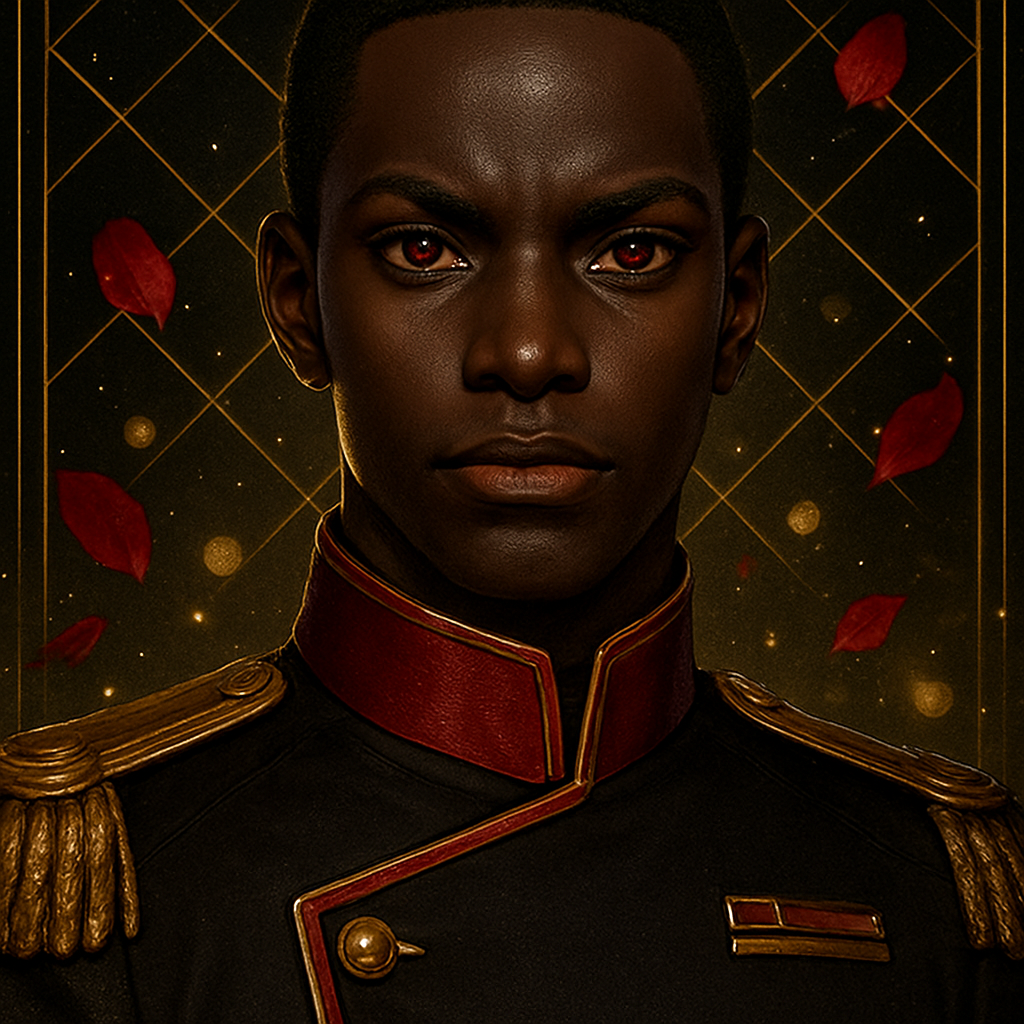
Costume and environment matter significantly in Commander play, more than in many other kink archetypes, because the world-building investment is explicit and the visual and spatial elements contribute directly to the fiction. A well-constructed uniform communicates the character before a word is spoken. A space that has been prepared to feel like the interior of a command post, however minimally, activates the fictional frame in a way that an ordinary bedroom does not.
This does not require extensive investment. A single costume element, a specific rank insignia, a particular piece of clothing that belongs to the character, can be enough to activate the frame. What matters is that both parties experience the visual cue as the signal that the fictional world is now active. The transition from ordinary social interaction into the scene space is one of the most important moments in Commander play, and a clear physical marker makes that transition much sharper.
Exercise
Scene Blueprint
This exercise produces a complete scene blueprint that you can use as the basis for an actual Commander scene.
- Write a premise for a scene in three sentences: the world, the situation, and each party's position within it. Make it specific enough that someone unfamiliar with your dynamic could understand what the scene is and what the stakes are within the fiction.
- Write the opening line of dialogue your Commander delivers in this scene. This line should establish their authority, set the tone, and give the other party a clear indication of what kind of scene this is.
- Identify two or three specific moments in the scene where the Commander's composure will be most important: moments where resistance, escalation, or unexpected response might occur. Write the character's internal response to each, not the dialogue, but what the character feels and chooses.
- Write the closing line of the scene: the dismissal, the conclusion of the interrogation, the order that ends the encounter. The closing should feel as deliberate as the opening.
- Before using this blueprint in an actual scene, review it with your partner in plain language to confirm that the scenario works for both of you.
Conversation starters
- How did you develop your specific Commander persona? What came first, the aesthetic, the character history, or something else?
- What is your process for building a scenario before a scene? How much do you plan in advance, and how much do you leave open?
- What has been the most effective thing you have done to develop your composure skill?
- How much does costuming matter to your Commander play? What specific elements make the most difference?
Ways to connect with a partner
- Build a scenario together, with the Commander taking the lead on the world and premise and the partner contributing their character's position and history within the fiction. Compare the result to scenarios you have built alone.
- Ask your partner to specifically tell you when the Commander's composure feels most genuine during a scene, not most impressive, most genuine. That specificity is the best feedback for character development.
- Do a costume or environment experiment: prepare the space deliberately before a scene in a way you have not before. Debrief afterward about whether it changed the quality of the fiction.
For reflection
Where in your Commander practice do you most feel the difference between performing the character and genuinely inhabiting them? What conditions produce the genuine version?
Craft in Commander play is not a means to an end; it is part of the pleasure of the role. The next lesson turns to the conversation side: how to bring the Commander archetype to a partner, what the pre-scene negotiation must cover, and how to establish the fictional frame safely.