
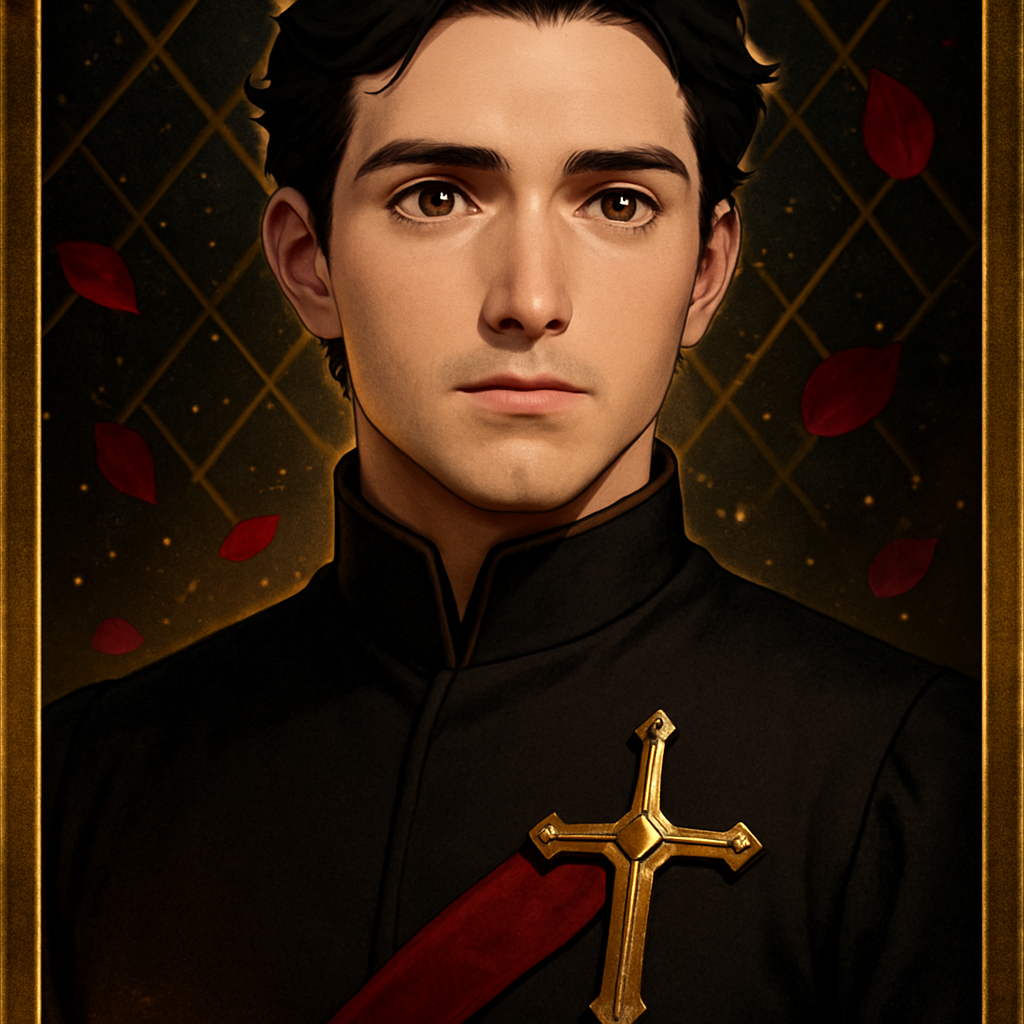
The Knight archetype is particularly rich in ritual, ceremony, and formal structure. These elements are not merely decorative; they do psychological and relational work that is specific to how this dynamic functions. This lesson covers the major ritual forms of the Knight dynamic and how to approach them practically.
The Oath Ceremony
The formal oath ceremony is one of the most significant ritual acts in the Knight dynamic, and it deserves thoughtful preparation. When done well, the oath ceremony marks a genuine threshold in the relationship: a public (or private) declaration of intent that makes the commitment real in a way that internal resolve alone cannot. The ceremony transforms a negotiated agreement into a living dynamic with all the symbolic weight that ceremony brings.
Preparation for the ceremony involves several elements. The setting should feel significant: not necessarily elaborate, but deliberately chosen and prepared in a way that marks it as different from ordinary interaction. The words of the oath should be spoken aloud, clearly and slowly, in their full form rather than abbreviated. The sovereign's response or acceptance should also be formal and explicit: the oath is a two-way act that requires genuine reception.
Many Knights incorporate physical elements into the oath ceremony: kneeling as the oath is spoken, the sovereign placing a token or symbol of their acceptance, a specific gesture or touch that seals the pledge. These physical elements are not required, but they engage the body in the ceremony in a way that makes the commitment felt rather than merely understood. The most powerful ceremonies are those where both parties genuinely feel the significance of what is happening rather than going through prescribed motions.
Protocols of Daily Service
The Knight dynamic, particularly in ongoing relationships, includes protocols that structure the daily texture of the service. These might include specific forms of address for the sovereign, rituals of arrival and departure, particular ways of requesting permission or expressing respect, and procedures for specific service tasks. Establishing these protocols clearly gives the Knight a stable framework for their service and gives the sovereign the consistent experience of being served according to a known and agreed standard.
Protocols should be established deliberately and reviewed periodically, because what serves the dynamic well at its establishment may need adjustment as both parties develop and the relationship deepens. A protocol that felt meaningful at the beginning and has become rote is due for either reinvigoration or replacement. The Knight who is attentive to the life of their protocols, rather than merely executing them mechanically, maintains the service's genuine quality over time.
- The oath ceremony marks a genuine threshold that transforms a negotiated agreement into a living dynamic.
- The physical elements of the ceremony engage the body in the commitment in ways that purely verbal agreement cannot.
- Protocols structure the daily texture of service and give the Knight a stable framework for execution.
- Review protocols periodically: what is working, what has become rote, what might need reinvigoration or replacement.
Formal Scenes: Quests, Courts, and Challenges
The Knight archetype supports several specific formal scene types that draw on the chivalric tradition with particular richness. Quest scenes establish a task or ordeal that the Knight must complete for their sovereign, which may be practical, physical, creative, or ceremonial. The quest structure creates a clear arc (mission, effort, return) that has inherent dramatic logic and produces a specific kind of satisfaction for Knights who enjoy directed, purposeful service.
Court scenes place the Knight in formal attendance upon their sovereign: presenting themselves, receiving orders for a period, participating in the formal structure of the relationship. These scenes reinforce the symbolic dimensions of the dynamic and often involve the specific vocabulary and gestures of the archetype in their most deliberate form. They work particularly well as periodic ceremonies that mark transitions or renew the commitment.
Challenge scenes involve the Knight defending or proving themselves on behalf of their sovereign, whether against a fictional opponent, a physical or intellectual challenge, or simply the sovereign's own scrutiny and testing. These scenes draw on the tradition of the knight-errant demonstrating their worth, and they produce a particular kind of engaged intensity that many Knights find deeply satisfying.
The Token and Other Physical Symbols
Many Knight dynamics include a specific physical object that represents the oath: a token given by the sovereign, worn or carried by the Knight, that is the tangible form of the pledge. This token has the same function in the kink context that it has in the chivalric tradition: a constant physical reminder of the commitment and of the person to whom it is made.
The token might be a ring, a piece of jewelry, an embroidered cloth, an engraved object, or anything else that carries the right symbolic weight for both parties. What matters is that it is given with intention, received with genuine seriousness, and treated by the Knight as the thing it represents. A Knight who loses or carelessly treats their sovereign's token has said something about their relationship to the oath that deserves honest attention.
Exercise
Planning a First Formal Scene
This exercise helps you plan a first oath ceremony or formal scene with the preparation and intention it deserves.
- Choose a specific scene type to begin with: an oath ceremony, a quest, a court scene, or a challenge. Write two or three sentences describing the specific scene you have in mind, including the setting, the participants' roles, and what the scene is intended to accomplish.
- Write the words of the oath or the opening of the scene in full. Do not abbreviate or assume the words will come in the moment; write them out so you know what you are saying and why.
- Identify any physical elements, a specific setting, costume elements, objects, gestures, that you want to include, and make a specific plan for each one.
- Write down how the scene will end: what marks its formal close, and what the transition back to ordinary reality looks like.
- Identify what you need from your sovereign during and after the scene to feel fully held and settled, and communicate this before the scene rather than hoping they will guess.
Conversation starters
- What does an oath ceremony mean to you? Have you had one, and if so what was the experience like?
- Which of the formal scene types, quest, court, or challenge, appeals most to you, and why?
- How do you think about the token in the Knight dynamic? Do you have or want a specific object that represents the oath?
- How do you maintain the sense of ceremony in ordinary daily service, when there is no formal scene structure to provide it?
Ways to connect with a partner
- Plan the oath ceremony together from beginning to end, including the setting, the words, the physical elements, and the close. Both parties should contribute to the planning rather than leaving it entirely to one person.
- After a formal scene, debrief specifically about the ceremonial elements: which ones worked, which felt rote or hollow, and what you both want to do differently in the future.
- Discuss the token: whether you want to have one, what it would be, and what ceremony would mark its giving.
For reflection
What is the difference between going through the motions of ceremony and genuinely feeling the significance of it? What conditions produce the genuine version for you?
The rituals and ceremonies of the Knight dynamic are the form the oath takes in the world. The final lesson considers what sustains them over time: the ongoing work of holding an honest relationship with the real sovereign, the real pledge, and the real self doing the serving.