
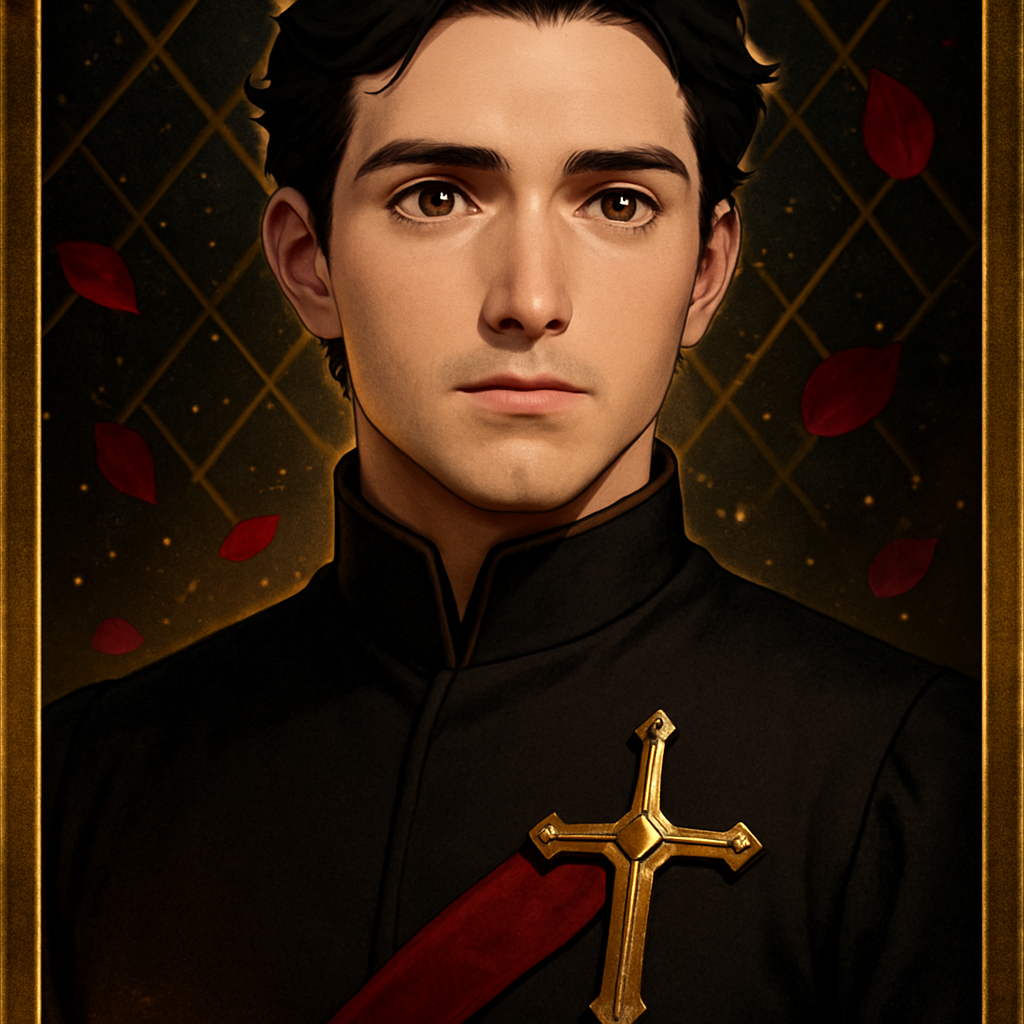
The Knight is one of the most distinctive submissive archetypes in BDSM precisely because the submission is framed as an expression of the highest personal values rather than a surrender of them. Understanding what the archetype actually is, and where it comes from, is the foundation of inhabiting it with genuine depth.
Sworn Service as Honor
The central logic of the Knight archetype is that submission freely given to someone worthy is not weakness; it is devotion. The Knight kneels because they choose to, and the choice is the ground of their dignity rather than a forfeit of it. This framing resolves a dissonance that many people with strong, capable personalities feel in other submission frameworks, where the service can seem to conflict with their sense of their own strength. The Knight's service is an expression of strength directed with intention.
The chivalric tradition that informs the archetype has deep roots in Western culture, from the Arthurian cycles and the chivalric romances of the Middle Ages through the vast tradition of fantasy literature and gaming that has kept these images alive and generative. The sworn sword, the knight errant seeking worthy service, the figure who holds to their oath under impossible pressure: these are organizing images that have structured how many people understand the relationship between devotion and honor.
In BDSM, the Knight archetype brings these structures into consensual power exchange with the specificity that the kink context requires. The power is real; the dynamic is real; the pledge is real. The fictional or fantastical frame provides the vocabulary and the ceremonial structure, but what the oath expresses is genuine.
What Makes the Knight Distinct
The Knight archetype is related to but distinct from other service submission roles. A service submissive may serve from many motivations: pleasure in usefulness, desire to please, the satisfaction of meeting high standards. A Knight serves because they have pledged to, and the pledge is the organizing principle of the entire dynamic. The service is an expression of the oath rather than the other way around.
This distinction matters because it shapes the entire texture of the role. The Knight is not waiting to be told what to do; they are finding ways to serve that honor their commitment. They have an internal standard that comes from the oath itself, not merely from the sovereign's preferences. When no instruction has been given, the Knight asks what their pledge requires, not what they can get away with. This active, self-directed dimension of the role is what distinguishes it from more passive forms of service submission.
The aesthetic dimension of the Knight archetype, armor, formal address, ceremony, the specific vocabulary of fealty and honor, is not superficial decoration. These elements carry the psychological weight of the tradition and help create the specific quality of devoted service that the archetype requires. Many Knights have backgrounds in tabletop gaming, historical reenactment, or fantasy fiction that give them genuine relationship to these aesthetic elements rather than simply borrowing them.
Where the Archetype Sits in Kink Culture
The Knight archetype exists at the intersection of service submission, D/s power exchange, and the roleplay and fantasy traditions in kink. It has particular resonance in communities that overlap with tabletop gaming, live-action roleplay, and fantasy fandom, where the chivalric tradition is already a living vocabulary.
Knight dynamics can range from elaborate costumed roleplay with formal ceremony and specific scene structures to a more diffuse everyday expression where the language and values of knighthood are the emotional vocabulary of an ongoing D/s relationship. Neither end of this spectrum is more valid than the other; what matters is that the framework genuinely resonates for both parties and that the specific form the dynamic takes is negotiated explicitly.
- The Knight's submission is framed as an expression of honor and chosen devotion, not as a surrender of strength.
- The chivalric tradition provides genuine historical and cultural depth that enriches the archetype beyond mere costume.
- The Knight is distinct from other service submission roles by virtue of the oath as the organizing principle of the service.
- The archetype can range from formal ceremonialized roleplay to a more diffuse D/s framework that uses knightly vocabulary.
The Sovereign
The Knight's dynamic is inherently relational; it requires a sovereign worthy of the oath. This is a meaningful requirement, because the Knight's identity within the archetype depends on having chosen well. A Knight who has pledged to someone genuinely worthy experiences their service as affirming; a Knight who has pledged to someone who does not merit that level of devotion is in a position of cognitive dissonance that the role cannot easily sustain.
This does not mean the sovereign must be perfect, or that the Knight holds them to an impossible ideal. It means that the person being served must be someone the Knight genuinely respects and finds worthy of their highest commitment. The ongoing work of the Knight, in real relationships over time, is to maintain an honest relationship with whether their sovereign remains worthy of the oath as they actually are, including their imperfections. This honest seeing, and continued service from that seeing, is the deepest expression of knightly honor.
Exercise
Your Oath's Foundation
This exercise helps you articulate what the Knight archetype means for you specifically: what the oath contains, and what makes someone worthy of it.
- Write three qualities that a sovereign would need to possess for you to find them genuinely worthy of your oath. Be specific and honest: not the ideal qualities of a fictional ruler, but the actual qualities you would need to see in a real person.
- Write two or three sentences describing what sworn service means to you, in your own words, without using any of the standard vocabulary of the archetype. This strips away the aesthetic to reveal what is actually true for you.
- Identify the aspect of the Knight archetype that you find most personally resonant: is it the honor framework, the aesthetic, the specific quality of service it describes, the relationship to submission it offers? Name it clearly.
- Consider one way in which the Knight archetype resolves something that other submission frameworks have left unresolved for you. What does this frame give you that others have not?
Conversation starters
- What first drew you to the Knight archetype specifically? Was it the chivalric tradition, the fictional sources, the service-as-honor framework, or something else?
- How do you understand the difference between the Knight archetype and other forms of service submission? What does the oath add that plain service does not have?
- What makes someone worthy of a Knight's oath in your understanding? What are the actual qualities, not the idealized ones?
- Has the Knight archetype changed how you think about your submission more broadly, beyond the specific role?
Ways to connect with a partner
- Share your oath's foundation exercise with your sovereign and ask them to respond to the qualities you listed. Are those qualities they recognize in themselves?
- Have a plain-language conversation about what the Knight and sovereign roles mean to each of you, without the aesthetic vocabulary. Strip the archetype to its actual meaning and see what is there.
- Identify one piece of fiction, whether a novel, game, or film, that captures something of the quality of devotion you are drawn to in the Knight archetype and share it with your sovereign.
For reflection
What does the word 'worthy' mean to you in the context of the Knight archetype? What would it mean to serve someone genuinely worthy versus someone you are making do?
The next lesson goes inside the Knight's experience: what it actually feels like from the inside, what draws people to this particular form of submission, and how to recognize genuine fit with the role.