
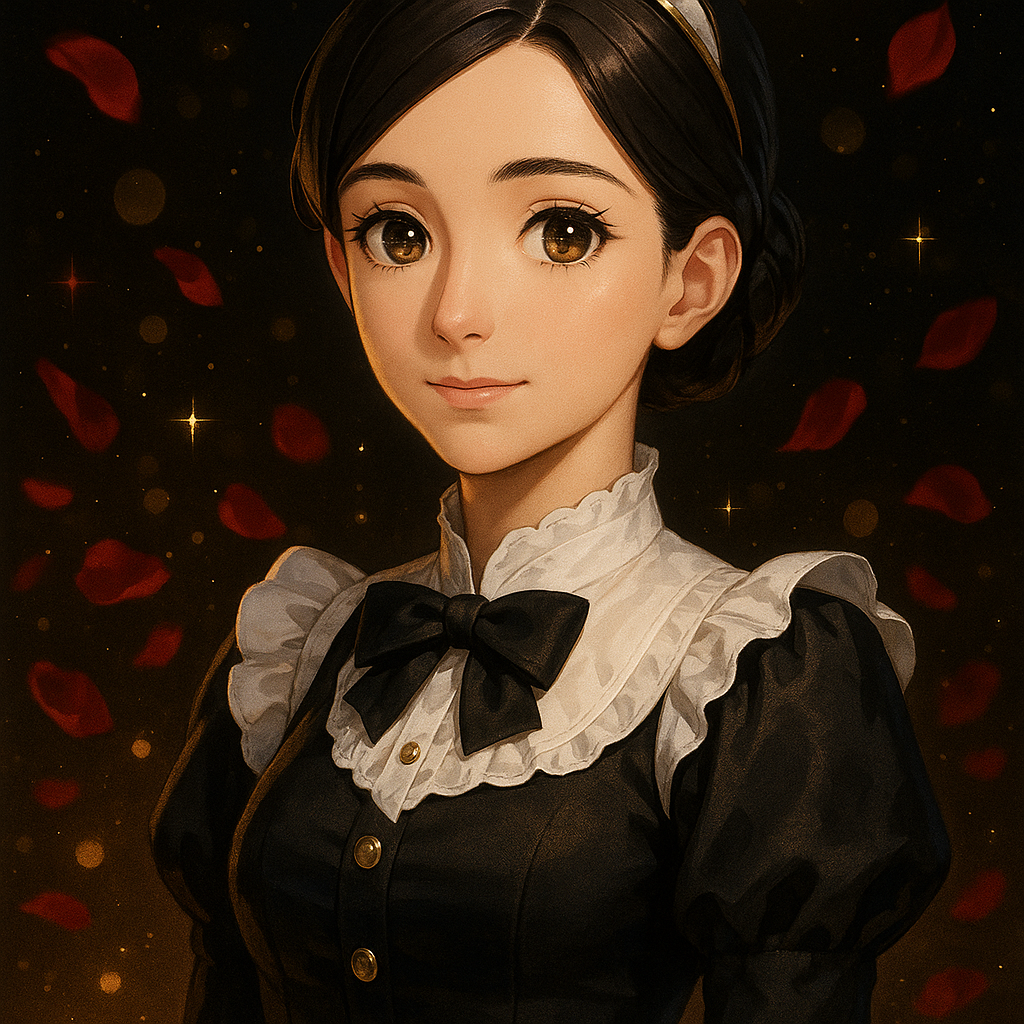
The Maid role, practiced over time, develops its own particular depth: a relationship with the craft of service, a refined understanding of what the role provides, and a more settled ownership of the specific quality of submission it represents. This lesson addresses common pitfalls, the aftercare that service dynamics require, and the longer view of what it means to grow as a Maid.
Common pitfalls
The most common pitfall for Maids is an over-reliance on external acknowledgment as the measure of whether the service is good. When the satisfaction of service depends primarily on the Dominant's approval in the moment, the Maid becomes dependent on a form of feedback that is inevitably variable and that cannot always be given in the ways the Maid needs. Maids who develop their own internal relationship with their work, their own standards that they are meeting for reasons that include but go beyond the Dominant's response, find their service more reliably satisfying and more self-sustaining.
A second common difficulty is the tendency for protocols to become rote over time: performed mechanically rather than with genuine presence and attention. The protocol that was once a meaningful ritual becomes an empty form when it is performed without the intention that gives it significance. Maids who notice this drift in themselves benefit from deliberately re-engaging with the meaning of the protocols they are performing: why this specific act, in this specific way, and what it expresses about the submission it represents.
A third pitfall is allowing the aesthetic dimension of the role, particularly the uniform, to do more psychological work than a single element can sustain. Some Maids find that the uniform's ability to reliably produce the headspace they need diminishes over time, particularly if it has become the primary or only marker of the role's activation. Building a broader set of rituals and protocols that support the headspace, rather than depending on the uniform alone, makes the role more psychologically robust across time.
Aftercare in service dynamics
Aftercare in Maid dynamics has a specific character that is worth understanding clearly. Service sessions, particularly formal ones with inspection and evaluation, can produce emotional vulnerability in the Maid that is not always immediately visible. The experience of having one's work assessed, particularly if the assessment includes significant correction, can leave residue that benefits from explicit attention after the session ends.
The transition out of the Maid role is itself an important aftercare element. The moment when the uniform comes off should be deliberate and acknowledged, not simply the end of the session. Many Maids find that having the Dominant acknowledge the transition, naming explicitly that the role is over and that they are now together as themselves, is important for their ability to genuinely exit the role rather than carrying its structure into the rest of the day.
After sessions involving significant correction or evaluation that was less than positive, the Maid may need explicit, direct reassurance that the Dominant's regard for them is not conditional on their service performance. The quality of the service in a specific session is one thing; the Dominant's genuine appreciation of the Maid as a person is another, and when those two registers are clear and separate in the Dominant's communication, the Maid can hold the correction within the dynamic without it contaminating their overall sense of the relationship.
Developing your own standards
One of the most significant dimensions of growth for a Maid is the development of genuine personal standards for their service, standards that are truly their own rather than only an internalization of the Dominant's expectations. A Maid who has their own standards of excellence, who knows what genuinely good service looks and feels like from the inside, is engaging with the role at a depth that produces sustained satisfaction rather than only performance of compliance.
This development happens through genuine investment in the craft: learning what excellent domestic service actually looks like, practicing specific skills until they become genuinely proficient, and developing an aesthetic sense about the domestic space that is authentically their own. The Maid who has genuinely developed this sense brings something to the role that is qualitatively different from the Maid who is approximating a standard they do not fully understand.
Personal standards also support the Maid's dignity within the role. Submission that is grounded in genuine competence and genuine self-respect has a different character from submission that is grounded primarily in wanting to please. The most satisfying Maid dynamics are often those where the Maid is genuinely good at what they do, knows it, and submits not because they lack standards but because they have chosen to place their genuine competence in service of someone they genuinely respect.
The long arc of service
Maids who stay with the role over years often describe a deepening relationship with the specific aesthetic and psychological character of what they are doing. The uniform that was once a novelty becomes something that carries real weight of meaning. The protocols that were once learned rules become genuine expressions of the submission they represent. The service that was once performed carefully becomes performed with genuine ownership and genuine craft.
This deepening is one of the specific rewards of staying with a role rather than moving through a series of surface-level explorations. The Maid who has genuinely inhabited the role across years knows things about it that cannot be known otherwise: what sustains it, what erodes it, what makes a session genuinely satisfying and what makes it feel hollow, and how to communicate these things to a partner with the precision that comes only from long experience.
Community is also a resource for Maids who want to develop their practice. FetLife domestic service groups and household dynamics communities contain experienced Maids and their Dominants who discuss the role with genuine sophistication and who share both practical knowledge and reflective understanding. Connecting with people who inhabit the role seriously is a source of perspective and language that is valuable for anyone who wants to take their service beyond a surface-level engagement.
Exercise
The Craft and the Long View
This exercise asks you to examine your current relationship with the Maid role and to think deliberately about how you want it to develop.
- Write down three things you do consistently well in your Maid role, and three things you want to develop. Be specific about both.
- Write down one aspect of the role that has become rote or mechanical in your practice, and one specific change you could make to re-engage with its meaning.
- Write down what your own internal standard of excellent service looks like: the specific qualities of service that you consider genuinely good, independent of whether the Dominant has named them as standards.
- Write one sentence about what the Maid role has given you that you did not anticipate when you first became interested in it.
Conversation starters
- Looking at the Maid dynamic as we have built it, what do you think I have genuinely developed, and what do you think needs more work? I want your honest assessment.
- Are there elements of the role that you feel have become formulaic for us? What would renew them?
- What do you most value in my service that I might not realize? I want to understand what genuinely matters to you so I can invest in it with more intention.
- Is there something you have wanted to add to the dynamic, a protocol or a scene format or an aesthetic element, that we have not tried yet?
Ways to connect with a partner
- Schedule a dedicated review conversation about the Maid dynamic, where both people assess what is working, what has changed since the beginning, and what you both want from its next phase.
- Ask the Dominant to name one specific quality of your service that they genuinely value and that they have not explicitly acknowledged before, as a way of surfacing appreciation that may have become assumed rather than expressed.
- Design something new together in the dynamic: a new protocol, a new scene format, or an extension of the role into a context you have not previously tried.
For reflection
What is the most honest thing you can say about what the Maid role means to you, as distinct from what you want it to mean or what you think it should mean?
The Maid role, practiced with genuine investment and genuine craft, is a form of devotion that develops its own beauty over time. The well-ordered space, the precisely performed protocol, the uniform worn with care: these are not small things. They are expressions of a specific kind of submission that takes its own seriously, and that seriousness is what gives it its particular dignity.