
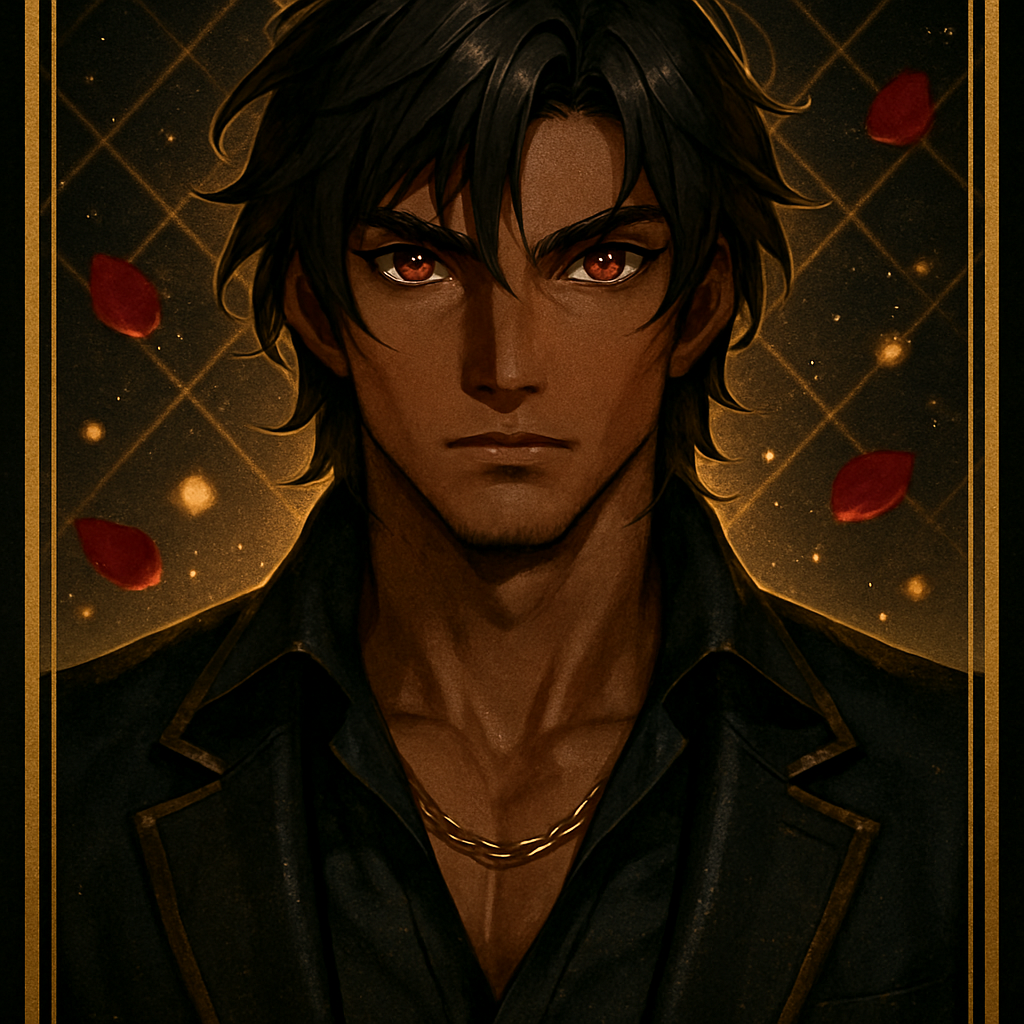
Primal hunters experience their role from the inside in ways that are distinctive and worth examining carefully. Understanding what the primal state feels like, who tends toward it, and how to recognize whether it genuinely fits you is the work of this lesson.
What the shift feels like
Primal hunters consistently describe the transition into primal mode as recognizable: something that happens in the body as much as the mind, a shift in awareness rather than a decision. The usual social calculation, the self-monitoring, the management of impression, recedes. Physical awareness heightens. The relationship between the hunter and the person in front of them becomes more immediate and less mediated by language. Many practitioners describe this shift as one of the most genuine experiences available to them, precisely because it bypasses the performance layer that characterizes most social interaction.
The shift does not mean losing self; responsible primal hunters are clear that the primal state is not a blackout or a loss of agency. The agreements made before the scene remain operative; the hunter's care for their partner does not disappear. What changes is the quality of attention and the mode of engagement, not the fundamental values and commitments that govern the scene. Understanding this distinction is important both for practicing safely and for countering the misconception that primal play involves abandoning consent in favor of instinct.
Who tends toward the primal hunter role
Primal hunters often describe a prior history of being more comfortable in their bodies than in social performance: people for whom physical activity, outdoor environments, competitive sports, or any practice that privileges embodiment over abstraction has always felt more natural than purely intellectual or verbal engagement. This is not universal, but it is a common thread. Primal play, for many hunters, feels like a context in which the way they already naturally orient to the world is not only acceptable but actively desired by their partner.
Many primal hunters also carry a noticeable physical presence in daily life: a heightened awareness of physical space, of the energy of people around them, of their own embodiment. This quality can manifest as attentiveness, as a particular kind of quiet intensity, or as physical expressiveness. Partners who are drawn to primal hunters often name this quality, the sense of being in the presence of someone who is genuinely, fully physically present, as a significant part of the attraction.
Recognizing whether the role fits
The clearest signal that the primal hunter role fits is that the idea of accessing instinctive, physical dominance feels more like remembering something than learning something. Many people who identify as primal hunters describe their first awareness of the role as recognition rather than discovery: a sense that there is finally a name and a community context for something they have always carried.
Conversely, if the appeal of the role is primarily aesthetic, if you are attracted to the imagery of predator dynamics without any corresponding felt sense of what it is like to inhabit that energy, that is useful information. The primal hunter role requires genuine access to the instinctive register it describes; performing it without that access tends to feel hollow to both the hunter and the prey. The role rewards people who are genuinely oriented toward physicality and instinct, not those who find those qualities interesting from the outside.
- Physical activity and embodiment have always felt more natural to you than purely verbal or intellectual engagement.
- You have a noticeable physical presence that others often comment on or respond to.
- The idea of dropping social performance and accessing something more instinctive in an intimate context feels like relief rather than unfamiliarity.
- You have experienced states of heightened physical and instinctive awareness, in sport, nature, or other contexts, that you want to access in a kink setting.
- The primal hunter archetype, when you encountered it, felt like recognition rather than discovery.
The daily texture of primal hunter identity
Primal hunters in daily life often find that their primal orientation extends outside of explicit kink scenes in low-level ways. A pleasure in physical competition, a strong response to outdoor and wilderness environments, a preference for physical rather than verbal expressions of connection, and a general sense of being more present in the body than in the head are all common features. This daily texture is part of what makes the primal identity feel coherent rather than compartmentalized.
In relationships with primal prey partners, some hunters describe an ongoing quality of primal attentiveness that is present even when no explicit scene is happening: a quality of physical awareness and predator focus that both parties recognize and find meaningful. The scene boundary is clear, but the underlying orientation shapes the relationship's texture more broadly. Many primal hunters find this ongoing quality sustaining rather than exhausting, because it reflects who they genuinely are rather than a costume they put on for scenes.
Exercise
Mapping your physical history
Your history with physical activity, competition, and embodiment can tell you something specific about how you are likely to inhabit the primal hunter role. This exercise invites you to make that connection explicitly.
- Write down three physical activities or contexts in which you have felt most fully present and least bound by social performance. Be specific: not just 'sports' but which sport, which specific conditions, what the internal experience was.
- For each of those contexts, write a sentence about what quality of awareness was present: what you were attending to, how time felt, whether your relationship to others in the space changed.
- Now write down what you imagine adding the dimension of conscious dominance and erotic intensity to one of those states would be like. What might be different? What might be the same?
- Write a few sentences describing the specific version of primal hunter energy you imagine inhabiting. Be as concrete as you can about the quality of attention, the type of physical engagement, and the relationship with your partner that you want to create.
Conversation starters
- What physical contexts in your daily life most closely approximate the awareness state you are interested in accessing in primal play?
- Do you have a sense of how your primal mode is distinct from your everyday way of being in the world, and what triggers or facilitates the shift?
- How does the primal hunter role relate to how you experience your physical presence in daily life?
- Have you ever been in primal mode in a non-kink context, in sport or wilderness or physical competition, and what was that like?
Ways to connect with a partner
- Describe to your partner what your primal mode feels like from the inside, using as much specific sensory and physical language as you can, so they understand what they are inviting.
- Ask your partner what it is like to be in the presence of your physical energy in everyday life, and whether they experience the quality that makes the hunter role feel authentic to you.
- Share a memory from outside of kink in which you felt most fully in your body, and ask your partner to share one of their own, as a way of building shared vocabulary for the states you both access in primal play.
For reflection
What does accessing your primal mode offer you that other forms of engagement, inside or outside of kink, do not, and why does that matter to you?
The primal hunter role is most satisfying when it is genuine: when the instinctive register it asks for is one you actually have access to, and when the physical and emotional intensity it produces is something you want to be responsible for creating. Knowing that authenticity in yourself is what this lesson is for.