
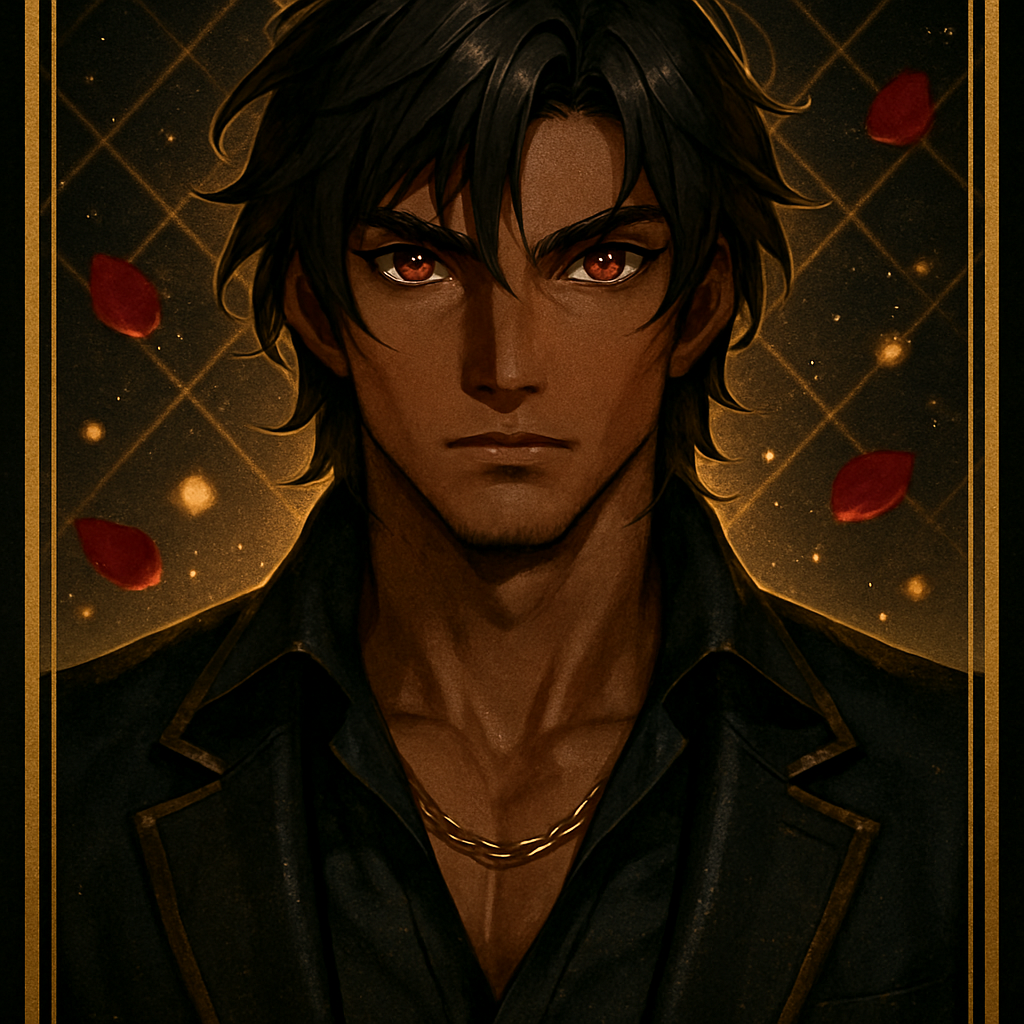
The primal hunter is a distinctive archetype in the landscape of BDSM dominance: less about formality or craft, more about instinct, physicality, and a mode of engagement that feels more like nature than culture. Understanding what the role actually is, and what it is not, is the first step toward practicing it well.
A different register of dominance
The primal hunter is a Dominant who taps into instinctive, animal-register energies in their kink practice. Where many dominant archetypes are organized around formality, protocol, or specific craft skills, the primal hunter is organized around something more elemental: instinct, physicality, and a kind of controlled wildness that many practitioners describe as feeling more authentic to them than any socially scripted form of dominance.
Primal play as a form of power exchange is distinct primarily in its register. There is less formal language, less explicit protocol, and often more improvisation during the scene itself. The interaction between primal hunter and prey (the common term for their partners) often involves wrestling, chasing, biting, growling, or other physically intense expressions of predator energy. The attraction for both parties is access to something that feels older and more immediate than the typical structures of dominance and submission.
The altered state of primal play
One of the specific features of primal play that distinguishes it from other kink is the altered state it can produce in both participants. Primal hunters and their partners sometimes enter a mode during scenes that is distinct from the subspace associated with traditional D/s play: a kind of animal awareness in which social constructs and verbal cognition become secondary, and something more immediate and physical takes over. This state is actively sought by many primal practitioners because it produces a quality of presence and aliveness that is difficult to access through other means.
This altered state is also a key reason why primal scenes require particularly careful pre-scene negotiation. Once a hunter is in deep primal mode, their access to their usual social reasoning is reduced, which means that the agreements made before the scene, and the physical and emotional safety systems they include, must be robust enough to carry the scene without the usual verbal negotiation that might happen in other kink contexts. Primal hunters who understand this dynamic treat pre-scene negotiation as one of the most important parts of their practice.
Animal affinities and their variation
Primal hunters vary in how explicitly they hold an animal identity within their primal practice. Some engage with primal energy without any specific animal reference, accessing a more instinctive and less verbal mode of engagement that is simply less culturally domesticated than their usual way of being in the world. Others have specific animal affinities, wolf energy, big cat energy, bear energy, that shape the specific texture of their primal expression: the quality of their movement, the type of physical intensity they bring, and the aesthetic of how they relate to their prey.
These animal affinities exist in some overlap with pet play communities, particularly the wolf-pet and big-cat communities, but primal play is distinct from pet play in its fundamental dynamics. Pet play typically involves the pet taking on an animal persona in relationship to a human caretaker; primal hunting involves two people accessing instinctive physical energies together, often in a more symmetrical and mutually intense way than the typical pet/handler dynamic.
- No specific animal identity. Primal energy accessed as a general shift into instinct and physicality, without specific animal reference or persona.
- Wolf affinity. Pack-oriented predator energy: territorial, loyal, physically intense, with specific pack-social dynamics in ongoing relationships.
- Big cat affinity. Stalking, precision, sudden explosive physicality, and a specific quality of solitary predator focus.
- Bear affinity. Power, physicality, and a particular combination of ferocity and warmth that many bear-identified primal hunters find authentic.
Where primal hunting sits in the broader community
Primal play has grown significantly in BDSM community visibility over the past decade. Dedicated groups on FetLife, Discord, and at major kink events have developed their own culture, with an aesthetic and values emphasis that differs from the formality of leather or Old Guard D/s communities. Primal practitioners often find the protocol-heavy parts of BDSM culture somewhat at odds with their orientation, and primal-specific spaces have developed in response.
The primal community has also developed its own internal discourse around the specific requirements of this kind of play: how to negotiate scenes that will involve significant improvisation, how to maintain consent awareness in states of primal intensity, and how to care for participants after scenes that have been particularly physically or emotionally involving. Entering the primal community means engaging with this discourse, which is more developed and thoughtful than the archetype's raw-instinct associations might suggest.
Exercise
Locate your primal register
Most people who are drawn to primal play have had some experience of the relevant state outside of kink contexts. This exercise helps you locate and name that experience.
- Think of moments in your life when you have felt most physically and instinctively present: in athletic activity, in physical competition, in nature, in any context where social performance felt absent and something more immediate took over. Write down two or three specific memories.
- For each memory, note what quality of awareness was present. Was it intensely physical? Was it about the relationship between yourself and another person or creature or environment? Did social cognition feel suspended?
- Write a paragraph about what you imagine primal play would feel like at its best, drawing on those memories as reference points for the kind of state you are interested in accessing.
- If you have an animal affinity, whether specific or general, write a sentence about what that animal energy represents to you and why it feels relevant to your dominant orientation.
Conversation starters
- How would you describe the difference between primal play and other forms of dominance that you find less compelling or interesting?
- Do you have a specific animal affinity, and if so, what does that affinity reflect about your primal orientation?
- What is your experience of the altered states that primal play can produce, whether in kink contexts or in other physically intense activities?
- How does the primal-play community's culture seem different from other parts of the BDSM community, and what draws you to that difference?
Ways to connect with a partner
- Share with your partner what primal energy feels like for you, using language and examples from outside of kink if that helps you be more specific.
- Ask your partner what the primal hunter archetype means to them and what kind of experience they are hoping to access in a primal scene with you.
- Discuss whether either of you has animal affinities and what those might mean for the texture and dynamic of your scenes together.
For reflection
When you imagine accessing the most instinctive and unmediated version of your dominant energy, what does that feel like, and what do you want it to offer the person you are with?
The primal hunter role is compelling because it offers access to something that much of modern life does not: a mode of engagement that is genuinely physical, genuinely present, and organized around something more immediate than social convention. Understanding what that is, precisely, is the foundation for everything else.