
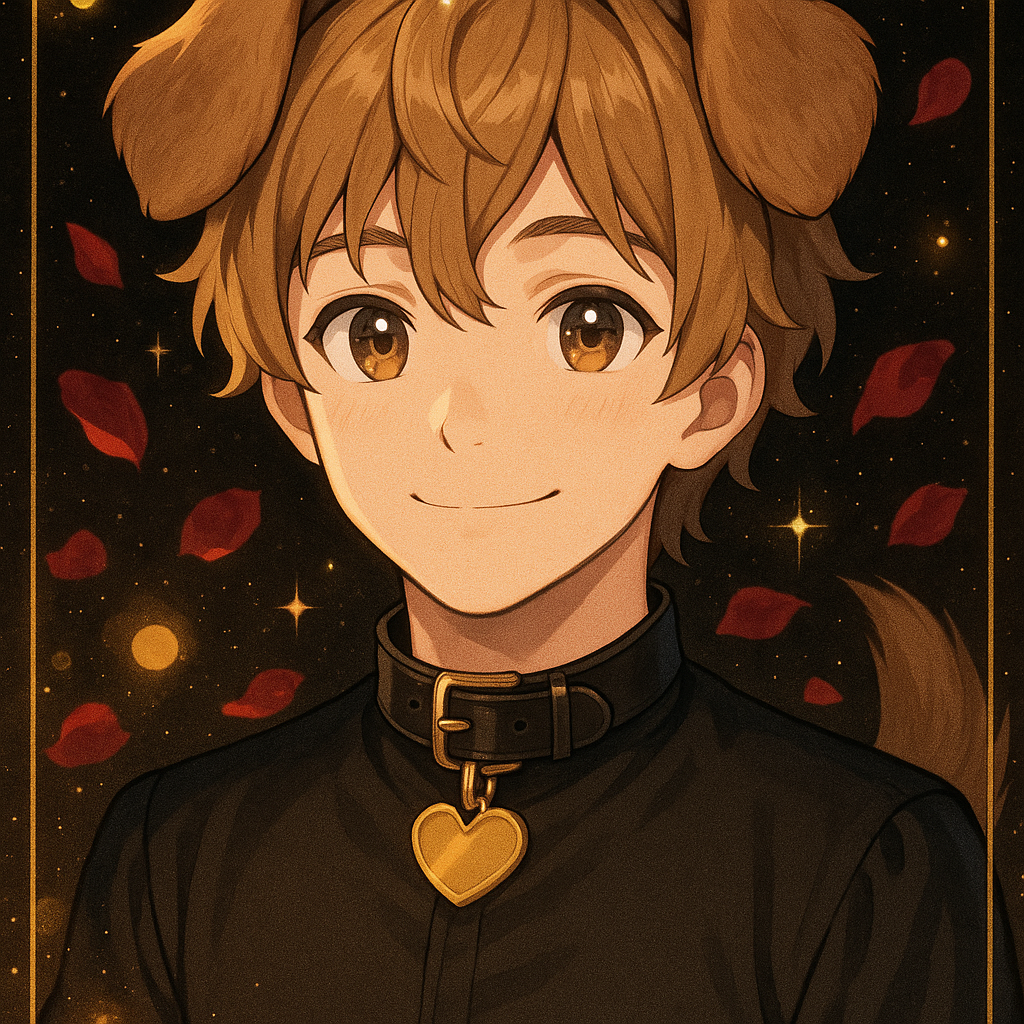
Puppy space has a distinctive inner quality that is difficult to mistake once you have felt it: a kind of immediate, whole-body presence that replaces the cognitive management of ordinary adult life. This lesson explores what that experience is actually like, who tends toward it, and how to tell whether it genuinely fits you.
What Puppy Space Feels Like
People who inhabit puppy space regularly describe a specific shift in the quality of their attention. The social monitoring layer that manages how one is perceived by others, what one should say next, and whether one's responses are appropriate lifts. What remains is more bodily and immediate: physical sensation, the emotional temperature of the room, the presence of a handler or packmates, and an impulse to respond to the environment directly and expressively rather than through the filter of adult social judgment.
This shift is often described as freedom, which is a word that can sound abstract but is meant quite literally here. The constraint being lifted is not physical but cognitive and social. Puppy space does not produce irresponsibility; it produces a different kind of responsibility, the puppy remains fully present and fully responsive, but the responsiveness is physical and emotional rather than verbal and socially calibrated.
Many puppies describe the state as therapeutic. The accumulated tension of managing adult social life, often over many hours or days, discharges in puppy space in ways that ordinary relaxation does not achieve. The physical expressiveness of the archetype, wagging, nuzzling, playing, moving with full body engagement, seems to discharge something that more sedentary forms of rest do not reach.
Who Is Drawn to Puppy Play
The population of puppies is genuinely diverse, and people arrive at the identity through many different paths. Some come to it through the Leather and gay male kink community, where puppy play has a long and established presence. Some discover it through online pet play communities. Some find it through a partner who is already a handler or a puppy. Some arrive at it independently, through the recognition that the archetype describes something real in their experience.
Across this diversity, some common patterns emerge. Many puppies describe holding significant social responsibility in their daily lives and finding that puppy space offers a quality of release that is specifically tied to setting down that responsibility entirely, not just resting but genuinely inhabiting a mode in which the responsibility is not present. Others are drawn primarily to the physical dimension of the identity: the permission to move expressively, make noise, roughhouse, and be in the body without social editing.
The pack dimension draws a significant portion of the puppy community. For people who feel that much of adult social life requires them to hold themselves apart, to be self-contained and not too much, the experience of being in a pack where enthusiasm is welcomed and physical expressiveness is natural can be profoundly connecting.
Recognizing Whether Puppy Play Fits You
Several indicators suggest that the puppy identity may genuinely fit your experience. The first is whether the idea of whole-body expressiveness, communicating through movement, sound, and physical engagement rather than words, feels natural and appealing rather than theatrical. If the non-verbal mode appeals to something real in you rather than feeling like an imposition, that is meaningful.
The second is whether you find yourself energized by the idea of pack belonging. Puppies tend to be social within their play in a way that is not universal across kink identities. If the idea of playing with other puppies, sharing a handler's attention, roughhousing and exploring together, sounds genuinely good rather than complicated, the pack orientation may fit.
The third is whether the specific relationship between loyalty and freedom in the archetype resonates. A puppy is loyal with their whole heart, not because they are required to be but because loyalty is genuinely how they feel. The enthusiastic greeting, the leaning against the handler's leg, the dropping of a toy at their feet, these are real expressions of genuine feeling. If that model of expressing care through physical devotion feels like yours, the archetype may be yours as well.
Puppy Space as Restoration
One of the most consistent things puppies report about their practice is its restorative quality. Not all kink is restorative; some dynamics are demanding in ways that require recovery. Puppy play, for many practitioners, provides something that functions as genuine psychological restoration: access to a part of the self that is unguarded, physically alive, and socially unencumbered in ways that ordinary rest does not produce.
This restorative quality is not incidental to the identity; it is one of its genuine offerings. A puppy who has regular access to their puppy space often reports that their daily life feels more sustainable as a result, not because they are escaping it but because the quality of rest available to them is deeper. This is worth knowing and worth protecting.
Exercise
Your Puppy Space Profile
This exercise helps you build a more precise picture of what puppy space is for you, so you can enter it more deliberately and share it more clearly with a handler.
- Write three to five words or sensory descriptions that capture the quality of puppy space for you. Aim for something specific rather than generic.
- Write down what conditions most support your entry into puppy space. Consider the physical environment, the presence and behavior of a handler, prior state, or specific cues.
- Write down what tends to disrupt puppy space or prevent it from arriving fully.
- Write down whether the pack dimension is important to your puppy identity, and if so, what specifically appeals to you about being in a pack.
- Write down what restoration means for you in the context of puppy play: what specifically feels lighter or better after a session.
Conversation starters
- When I describe what puppy space feels like from the inside, the most accurate description is... What do you observe from the outside?
- Is the pack dimension something that matters to your experience as my handler? Would you want to explore pack sessions together?
- When have I seemed most fully in puppy space to you? What did that look like from your side?
- Are there things about my puppy space that you find yourself uncertain how to respond to?
- What do you find most genuinely delightful about my puppy presence? I want to know what lands for you.
Ways to connect with a partner
- Share your Puppy Space Profile with your handler and ask them to respond with what they observe from the outside.
- Ask your handler to describe how they know when puppy space has arrived for you and when you are at the surface rather than fully in it.
- Discuss together whether the restorative dimension of puppy play is something your handler is aware of and whether they want to support it deliberately.
- If pack play interests you, discuss with your handler what accessing that community might look like and whether it is something you both want to explore.
For reflection
Think about a session when puppy space arrived fully. What was present in that moment that is not always present? How often do those conditions exist?
The inner experience of puppy space is the thing that everything else in this course is organized around. Knowing what it actually feels like for you is the foundation of every skill and every conversation that builds from here.