
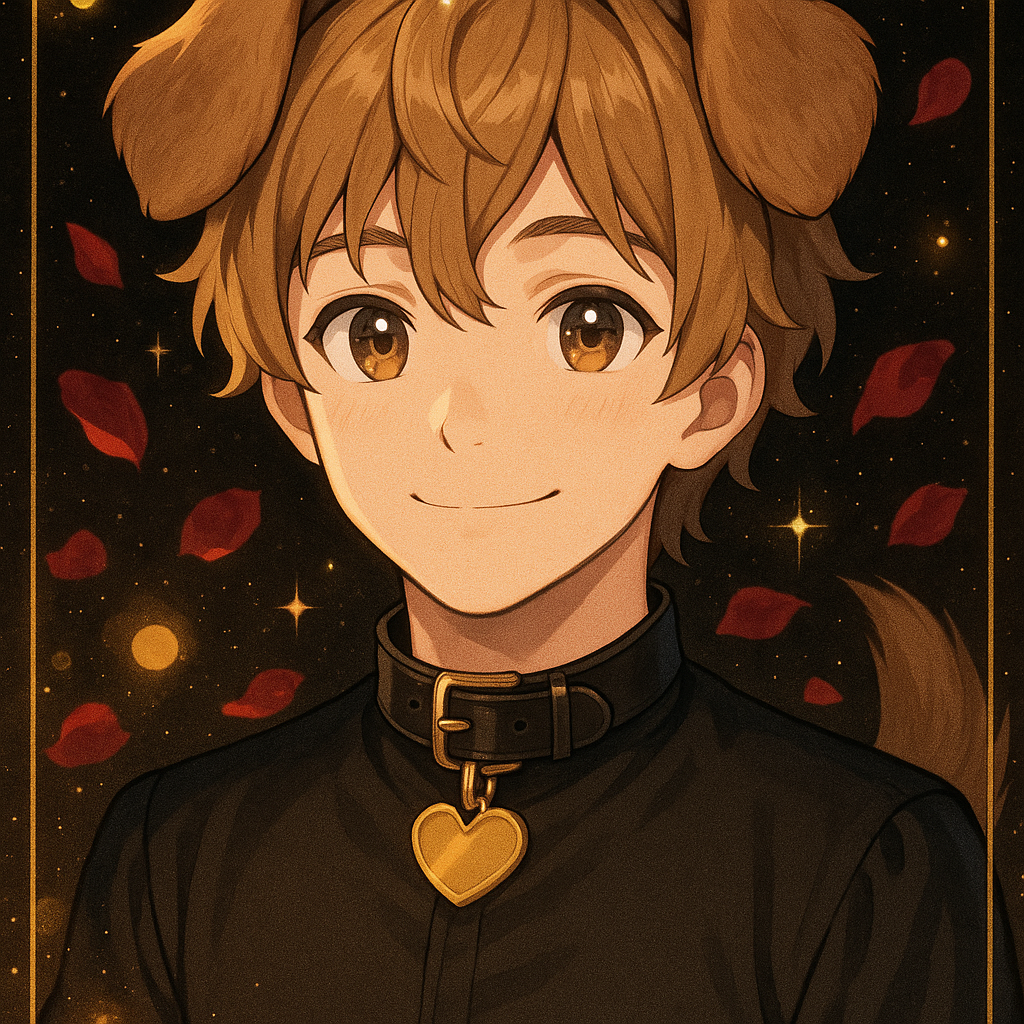
Puppy play is one of the most joyful and widely practiced identities in pet play, drawing on everything that is exuberant, loyal, physically expressive, and enthusiastically present in the canine archetype. Understanding what the puppy is begins with taking that joy seriously.
The Archetype and Its Particular Quality
A puppy is not simply someone who imitates a dog. The archetype carries a specific psychological experience: the release of the socially managed adult into something far more immediate and embodied. A puppy wags, nuzzles, plays with abandon, drops things at their handler's feet, and communicates complex emotional states through body language rather than words. The cognitive overhead of adult human social life, monitoring perceptions, managing impressions, planning ahead, is set down. What remains is immediate, sensory, and whole-hearted.
The canine archetype is characterized by qualities that make puppy play distinctive in the pet play world: loyalty that is expressed physically and unreservedly, enthusiasm that does not require permission, and a social orientation that makes pack belonging as natural as individual bonding. Puppies are not solitary creatures by nature, and this has shaped a remarkable community culture around the identity.
Puppy play has one of the largest, most organized, and most joyful communities in all of kink. The International Mr. Puppy competition, dedicated events, gear culture, and an emphasis on pack belonging have given puppy play a community infrastructure that is unusual in BDSM. This social dimension is not incidental; it is part of what the archetype offers.
Where Puppy Play Sits in BDSM
Puppy play lives within the broader category of pet play, which sits within the D/s (dominance and submission) spectrum of BDSM. Handler dynamics, in which the handler takes responsibility for the puppy's care, direction, and attention during play, are common and central to much puppy culture. Training sessions, positive reinforcement, command-response, and the relationship between puppy and handler are formal and well-developed dimensions of the identity.
Puppy play also has a notably strong presence in Leather and gay male kink culture, with dedicated events, Leather bars that have hosted puppy nights for decades, and significant overlap between the puppy community and broader Leather traditions. This is not its only expression, however; puppy play is practiced across genders, sexualities, and relationship structures.
Like kitten play, puppy play exists on a spectrum from entirely non-sexual to explicitly erotic. Many puppies find their play therapeutic and restorative in ways that have nothing to do with sexuality. Others experience it as a deeply erotic form of power exchange. Many move between these registers depending on context and relationship. All are genuinely valid expressions of the same archetype.
What the Puppy Is Not
The puppy identity is not about infantilization or any loss of genuine agency. The puppy chooses to enter puppy space, chooses their handler, and maintains the ability to exit when needed. The exuberance and responsiveness of the archetype come from genuine feeling, not from an inability to exercise judgment. A puppy who uses their safe signal is exercising adult agency; that capacity is always present.
Puppy play is also not about humiliation as a primary dynamic, though some puppies and handlers incorporate humiliation elements if both parties find them meaningful. The default texture of the identity is joyful and warm rather than degrading. Puppies who find that their play is characterized more by the joy of embodiment and pack belonging than by any power-differential charge are expressing the archetype authentically.
Finally, puppy play does not require a complete catalog of gear. Many people enter the identity with nothing but their enthusiasm and a willing handler. The gear culture is rich and beloved, but it is not the identity itself.
The Community and Why It Matters
The puppy community is unusually open and welcoming among kink identities. The emphasis on pack belonging, the inclusive culture of puppy events, and the general orientation toward shared joy rather than exclusivity or hierarchy make puppy spaces feel accessible to newcomers in a way that not all kink communities manage.
For many puppies, the community dimension is as significant as the individual practice. Pack sessions with multiple puppies and handlers, group events, and the experience of being among others who share the archetype without explanation or apology are genuinely sustaining. Finding community can be as important as finding the right handler.
Exercise
First Contact with the Puppy Archetype
This exercise helps you explore what the puppy archetype means to you before building any specific practice.
- Write down three to five qualities of the canine archetype that feel genuinely resonant to you: not what you think you should identify with, but what actually feels true.
- Write down what you hope puppy space offers you: restoration, erotic experience, pack belonging, physical expressiveness, or something else. Be honest.
- Write down whether you are drawn to the individual handler dynamic, the pack dimension, or both, and why.
- Write down one thing about the puppy identity that you have been uncertain about or that you want to understand better.
- Consider whether you have had access to the puppy community, online or in person, and what your experience of it has been.
Conversation starters
- When I think about what the puppy archetype offers me specifically, the most honest answer is... Does that resonate with what you find compelling about it?
- Are you drawn more to the individual handler relationship or to the pack dimension of puppy culture? Or are both equally important?
- What is your experience of the puppy community so far? Have you found it welcoming?
- Is puppy play for you primarily about the inner experience, the dynamic with a handler, community belonging, or some combination?
- Have you encountered people who do not take puppy play seriously? How did you respond to that?
Ways to connect with a partner
- Share what you wrote in the First Contact exercise with a potential handler and ask them what draws them to the handler role with you specifically.
- Discuss whether your handler has experience with puppy play or is new to it, and what they would need to understand for the dynamic to work well.
- Together, explore whether the pack dimension is something either of you wants to pursue, and whether you have access to community that might support that.
- Ask your handler what they already understand about the puppy archetype and where they have questions or uncertainties.
For reflection
What is the most honest thing you can say about why puppy play calls to you? What does the archetype offer that you do not get elsewhere?
The puppy identity is joyful, genuine, and completely serious. The exuberance of the archetype is not shallowness; it is a form of authentic presence that many people spend years learning to access.