
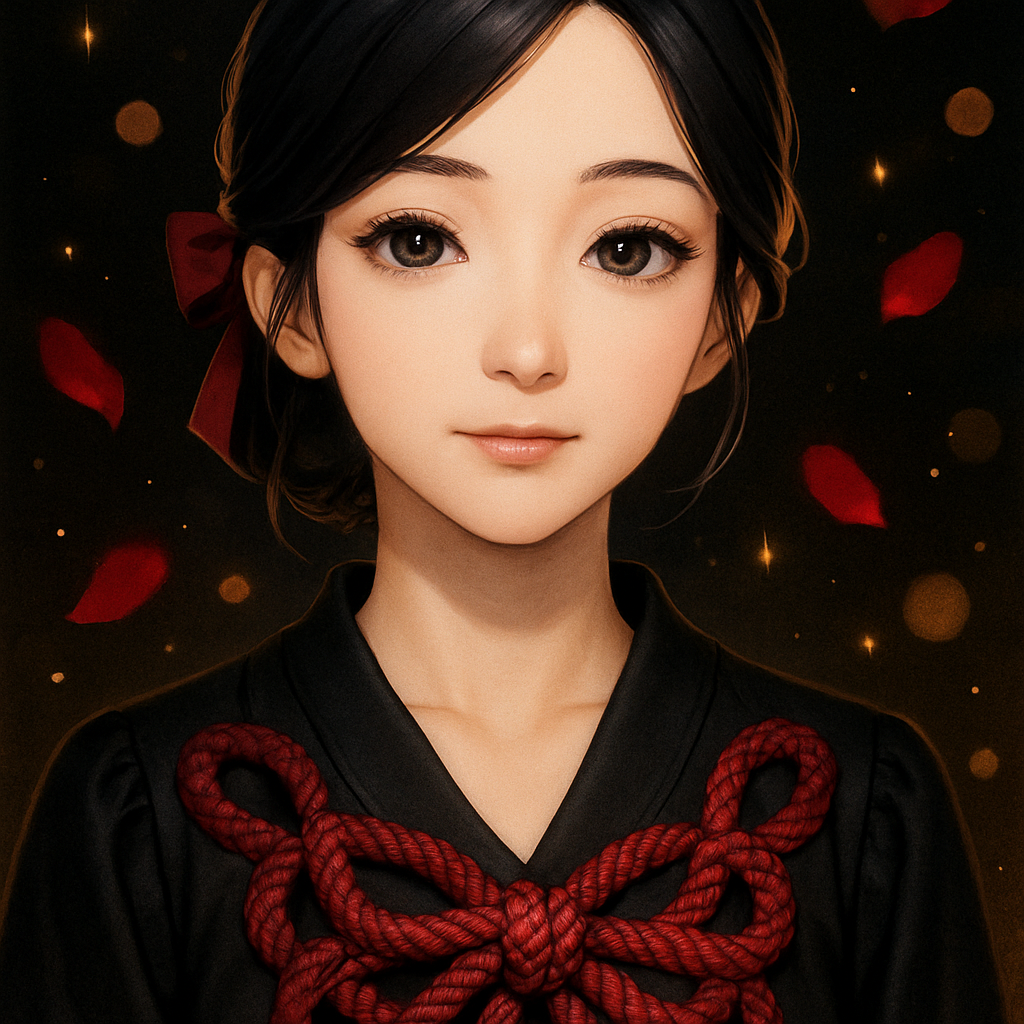
The first rope sessions, the first photographic collaborations, the first time performing in front of an audience: each of these is a threshold, and knowing what to expect on the other side of it makes crossing it much less daunting. This lesson covers the practical realities of entering rope modeling as a practice.
The First Session
A well-planned first session with a new rigger is deliberately modest in scope. It is not the time to attempt complex suspensions, very long sessions, or ties that make significant demands on mobility. It is the time to establish how you two communicate, how your body responds to this rigger's style and tension, and what the basic rhythms of your collaboration feel like. All of that information is genuinely valuable and it only becomes available through direct experience.
Arrive having eaten, hydrated, and having avoided alcohol. Wear comfortable clothes that are easy to work around. Bring anything you need for your own aftercare, whether that is a warm layer, a snack, or a specific comfort object. Tell someone you trust where you are going and approximately when you expect to return. These are not extraordinary precautions; they are simply the practice of someone who takes their own safety seriously.
The debrief after your first session with a new rigger is as important as the session itself. What worked well? What would you want to do differently? What did you learn about how this person communicates and works? This honest conversation is what makes the second session better than the first.
Developing an Ongoing Rigger Relationship
The quality of rope work that becomes possible after many sessions with the same rigger is qualitatively different from what is possible in a first or second session. Shared vocabulary, accumulated trust, and the rigger's detailed knowledge of your body's particular quirks and limits all allow for work that a newer collaboration cannot produce. Many of the most skilled rope models have one or two primary riggers they work with deeply, while occasionally collaborating with others.
Maintaining a rigger relationship well requires ongoing communication about how the dynamic is working, honest feedback about sessions, and clarity about the nature of the relationship. Because rope bondage creates genuine intimacy, it is common for both parties to develop strong feelings about the collaboration. Being clear about what the relationship is and is not, and revisiting that clarity periodically, keeps the collaboration on a foundation that can sustain good work.
It is also entirely normal for rigger relationships to end, through changes in circumstance, aesthetic divergence, relocation, or simply the natural completion of a creative partnership. Ending a rigger relationship gracefully, with honesty and genuine appreciation for what was created together, is part of being a thoughtful practitioner.
Rope Photography and Performance
Rope bondage photography is a significant artistic practice with its own aesthetics, communities, and standards. For models who are interested in photographic work, the collaboration triangle of rigger, model, and photographer each brings craft that the others depend on. A good rope bondage photograph requires the rigger's technical skill, the model's physical and emotional presence, and the photographer's eye and timing. Getting to know practitioners in each of those roles, understanding their aesthetics, and building trust before attempting a photographic session produces far better results than a first session that is also a first photographic collaboration.
Performance rope, the creation of rope scenes for a live audience, has its own demands. The theatrical dimension of performing requires a level of model composure and experience that comes from many private sessions first. The audience changes the energy of a scene in ways that can be surprising; understanding how you respond to being observed before you commit to a public performance is wise.
- Plan first sessions to be deliberately modest in scope, focused on establishing communication and trust rather than ambitious techniques.
- Debrief thoroughly after every session, especially with new riggers, to build the shared knowledge that makes future sessions better.
- Rope photography is a three-way collaboration between rigger, model, and photographer; invest in all three relationships.
- Performance rope requires a level of experience and composure that develops through many private sessions first.
- Rigger relationships evolve over time and require ongoing honest communication to sustain at their best.
Entering the Rope Community
The rope bondage community has rich social dimensions: events, study groups, jams where people practice together, and online communities where work is shared and discussed. Entering this community as a new model is much smoother if you take time to understand its specific culture and norms before seeking sessions or attention.
Attending a local rope jam as an observer, or going with a rigger who can introduce you to the community, is a low-pressure way to see how the community functions. Many communities have explicit guidelines for newcomers, including norms around approaching people about sessions, rules about photography at events, and expectations about consent and communication. Reading and following these guidelines marks you as someone who takes the community seriously, which is both genuinely good and practically useful.
Exercise
Planning Your First or Next Session
Whether you are new to rope modeling or an experienced model approaching a new rigger, this planning exercise helps you enter the session prepared.
- Write down your specific goals for this session: not an ambitious list of techniques you want to try, but a clear statement of what you want to learn about the collaboration and about yourself. A good goal for a first session might be simply to understand how this rigger communicates and how your body responds to their style.
- Review your physical considerations list from the previous lesson and update it with anything new. Consider whether there is anything about your current physical or emotional state that is different from your baseline and that the rigger should know.
- Plan your aftercare. What do you typically need after an intense session? What will you have available? Who, if anyone, will you contact afterward to let them know you are safe and well?
- Identify one specific thing you want to practice communicating during the session, whether that is using your pause signal, speaking up about a physical sensation sooner than you usually would, or asking a check-in question mid-session.
- After the session, write a brief session note: what happened, what worked, what you want to do differently, and one thing you appreciated about the collaboration. Date it and keep it somewhere you can find it.
Conversation starters
- How did your first rope modeling session compare to what you expected? What surprised you?
- How do you find riggers to work with? What has worked well and what has not?
- What has your experience been with rope photography? What makes a photographic session work well?
- How do you maintain ongoing rigger relationships over time? What keeps them working well?
Ways to connect with a partner
- Plan your next session together from the pre-conversation through the anticipated debrief. Agree in advance on what you each want to focus on and how you will communicate during the session.
- Look at rope bondage photography that appeals to you both and talk about what you find compelling in it. Identifying shared aesthetic ground before a photographic session makes the collaboration much more generative.
- If you have been working together for a while, take time to explicitly revisit the nature and terms of your rigger relationship. Is it still what you both want it to be?
For reflection
What does entering the rope community more fully, whether through events, photography, or more regular sessions, feel like as a prospect? What is appealing, and what feels daunting?
The practice of rope modeling grows richer through accumulated experience, genuine reflection, and honest collaboration. The final lesson looks at the longer arc: how to develop your own aesthetic voice, sustain your practice over time, and grow as a model rather than simply as a subject.