
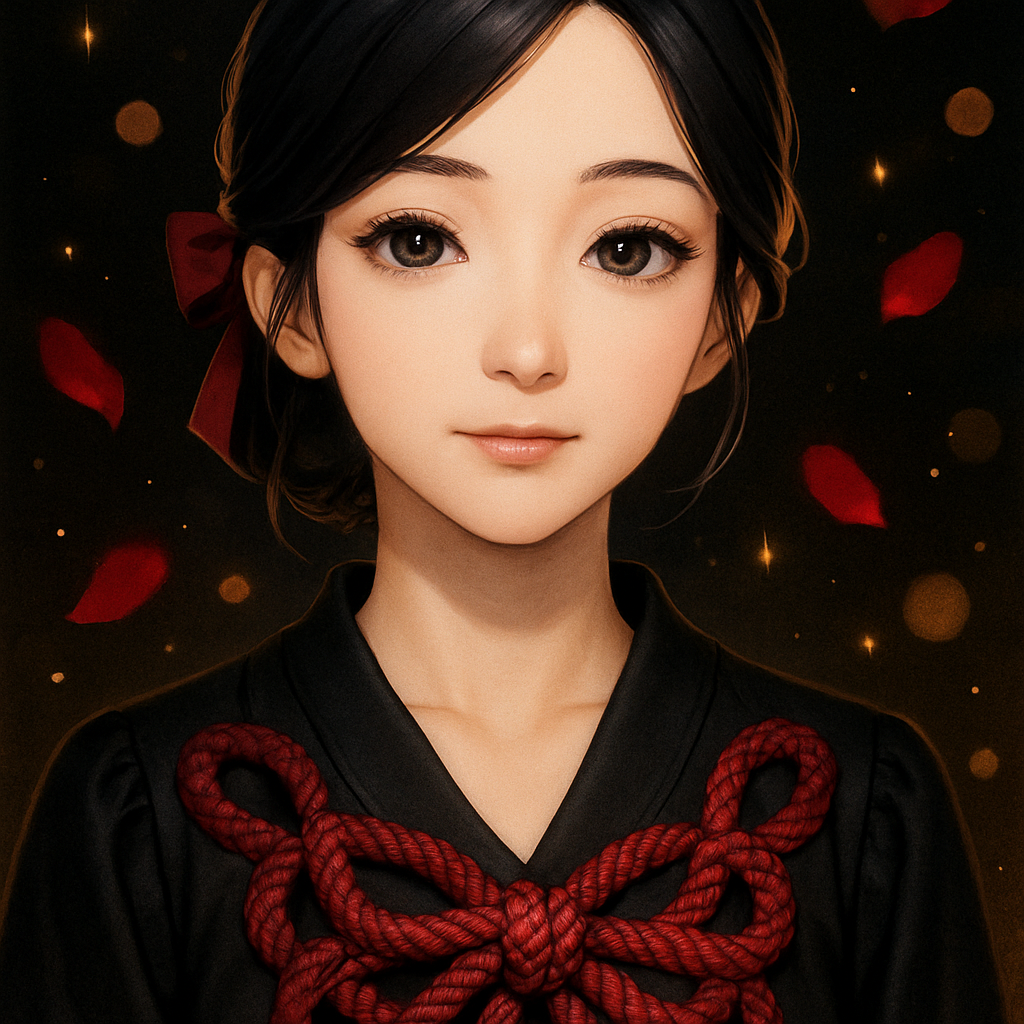
Rope modeling sits at an intersection that many people do not expect: it is part bondage practice, part performance art, part athletic discipline, and part collaboration between two people who each bring significant craft to the work. Understanding the role clearly, what it contains, what it demands, and what it is not, is where good modeling begins.
An Active Role in a Collaborative Practice
The rope model is not a passive subject. This is perhaps the most important thing to understand about the role, and it runs counter to the way rope bondage is sometimes represented in images or described by people outside the practice. A rigger ties; a rope model works with the rigger to make something together. What the model brings to the session, their body knowledge, their communication, their aesthetic investment, their ability to manage their own experience in real time, is as significant as what the rigger brings.
This collaborative quality means that the best rope modeling comes from people who have developed genuine skill over time. Understanding how different positions affect circulation and nerve function, knowing how to communicate discomfort or distress clearly and promptly, having a physical practice that supports flexibility and body awareness: all of these make a model genuinely valuable to a rigger who wants to do serious work.
The rope model is also a participant in a broader culture, one that includes performance, photography, education, and the ongoing development of rope bondage as an art form. Understanding that culture, its traditions, its aesthetics, its community norms, gives the model a context that makes their individual practice richer.
Where Rope Modeling Sits in BDSM
Rope modeling occupies a specific position in BDSM that is worth placing carefully. It is not synonymous with submission, though many rope models are submissive in their broader orientation. It is not purely erotic, though many rope sessions are deeply intimate and may be sexual. It is not purely aesthetic, though the visual and physical beauty of rope bondage is genuinely central to the practice.
The rope model role belongs primarily to what is sometimes called the aesthetic and lifestyle dimension of kink: practices organized around art, craft, beauty, and the development of a particular kind of mastery. The kinbaku and shibari traditions from Japan, which have been enormously influential on Western rope bondage culture, have always combined the erotic, the aesthetic, and the psychological in a way that resists easy categorization.
Rope models exist across all genders and body types. The archetype has historically been represented in particular ways in Japanese rope photography, but contemporary Western rope culture has expanded significantly both in terms of who models and what modeling looks like. The community includes models whose work is primarily intimate and private, those whose work is photographic, and those who perform publicly at events.
The Rigger Relationship
The relationship between a rope model and their rigger is one of the defining features of the practice. Because rope bondage requires genuine trust and genuine communication, and because skilled work develops through repeated collaboration, many models work most deeply with a small number of riggers they know well. These working relationships can be professional, intimate, or both; what matters is that they are based on clear agreements, genuine mutual respect, and ongoing communication.
Finding a rigger whose aesthetic aligns with yours, who communicates clearly, and who holds your physical safety as a genuine priority is a process that takes time. Early sessions with any rigger should be relatively conservative until both parties have built the communication fluency that deeper work requires. The model who approaches this process thoughtfully, rather than simply seeking any rigger who will have them, builds the foundation for work that is genuinely satisfying.
- Rope modeling is a skilled, collaborative practice, not a passive experience of being tied by someone else.
- The role sits at the intersection of bondage, aesthetics, performance, and physical practice.
- Rope models work within a rich community tradition that includes Japanese bondage arts and their Western developments.
- The rigger relationship is central to rope modeling and develops through trust, communication, and repeated collaboration.
What This Role Is Not
Rope modeling is not simply tolerating being tied. A model who shows up without body awareness, without the ability to communicate in real time, without any investment in the aesthetic or emotional quality of the session is not yet doing the work the role requires. Good modeling is active participation, and the difference between a model who brings genuine skill and one who is simply available is enormous from the rigger's perspective.
Rope modeling is also not inherently a power exchange role in the D/s sense. Some rope models are submissive to their riggers in a broader relational sense; others have a purely collaborative working relationship with no hierarchical dimension. The role does not require submission, though many people who are drawn to it find that the experience of being in rope has a quality of surrender that resonates with their broader orientation.
Exercise
Your Rope Modeling Starting Point
Before your first session, and periodically as you develop your practice, it helps to take stock of what you bring to the role and what you are most drawn to in it.
- Write down what first drew you to rope bondage as a model. Was it the aesthetics, the physical sensation, the intimacy, the community, or some combination? Being specific here will help you communicate with potential riggers about what you are looking for.
- Assess your current physical situation honestly. Note any injuries, areas of nerve sensitivity, circulation issues, or conditions that would affect how rope sits on your body. This list is not a reason to stop; it is the foundation of your negotiation.
- Look at rope bondage photography or video from at least three different practitioners or traditions. Notice what appeals to you aesthetically and what does not. Developing your own visual point of view is part of becoming a model with something to contribute.
- Identify one or two people in your community or online whose rope work you respect, and consider how you might make contact to learn more about the practice or find introductory sessions.
Conversation starters
- What was your entry point into rope bondage? Did you start as a model, or did you come from another part of the kink community?
- What traditions or aesthetics have most shaped how you think about rope? Is there a particular lineage or photographer whose work has influenced you?
- How do you think about the difference between a session that is primarily intimate and private, and one that is photographic or performative? Are you drawn to one more than the other?
- What do you look for in a rigger when you are considering working with someone new?
Ways to connect with a partner
- Look at a body of rope bondage photography together and share what appeals to each of you aesthetically. This conversation establishes shared aesthetic ground before any rope is involved.
- Have a plain-language conversation about your experience levels, your physical considerations, and what you each want to get from a session before you pick up any rope.
- If you are new to working together, plan a first session that is deliberately conservative: shorter ties, good communication check-ins, and a clear debrief afterward about what worked.
For reflection
What does the idea of being an active collaborator in a rope session, rather than simply the person being tied, bring up for you? What skills do you most want to develop?
Rope modeling is a practice that grows richer the more genuinely you bring yourself to it. The next lesson goes inside the experience itself, to help you understand what being in rope feels like and how to work with those experiences rather than simply being subject to them.