
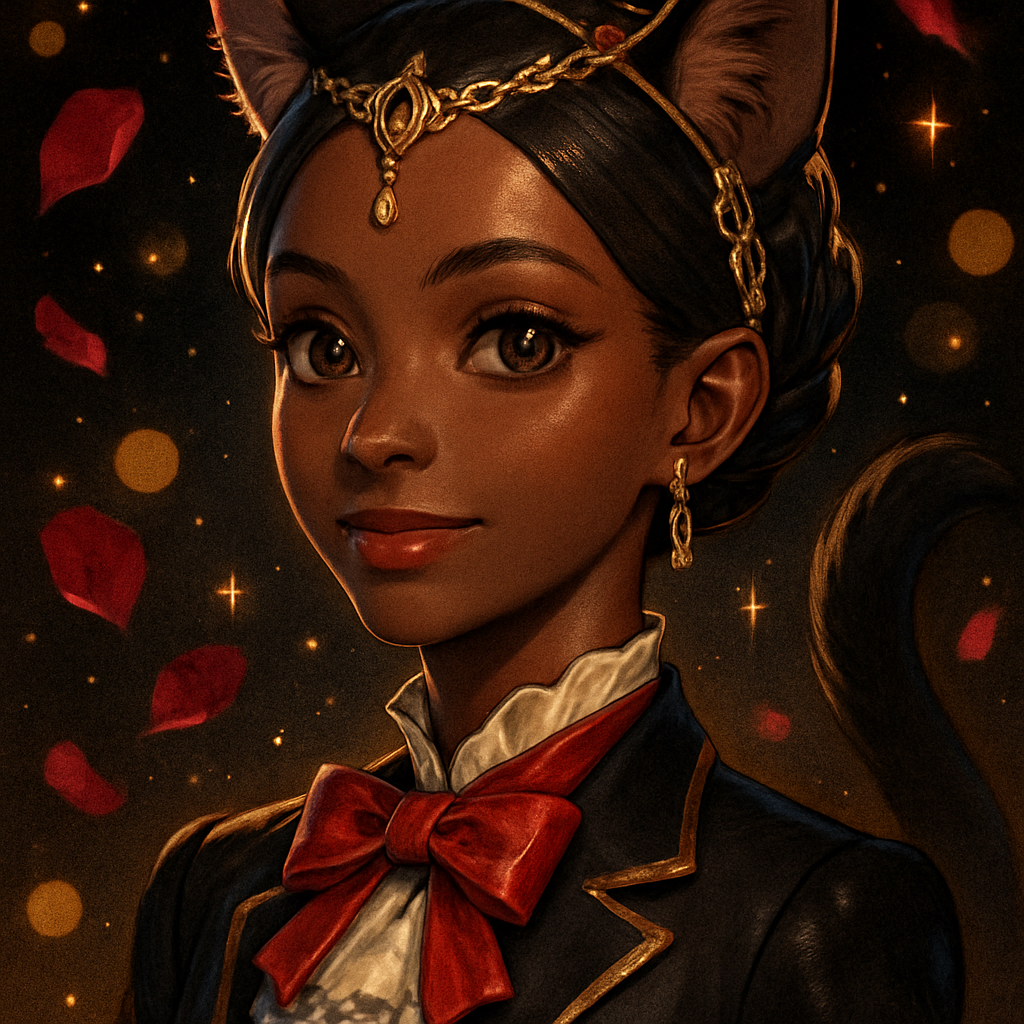
The show pony has an inner landscape that is shaped by the pleasure of precision, the particular satisfaction of being seen at one's best, and the specific quality of trust that a genuinely collaborative performance partnership produces.
What the performance feels like
Show ponies who describe the experience of being in the ring use language that consistently emphasizes presence: the way that stepping into performance focuses awareness completely on what is happening in the body and in the space, leaving everything else behind. The gait, the breath, the trainer's cue, the response of the body to a practiced movement: when performance is going well, these are the only things in the world.
This quality of absorbed present-tense focus is one of the consistent pleasures of performance for people who practice any craft under performance conditions, whether dance, music, athletics, or martial arts. The show pony's experience has genuine structural similarity to these: the preparation and training that produce the capacity for that focus, and the performance context that calls it fully into being.
The moment of a strong showing, when the gait is precise, the presentation is immaculate, and the connection with the trainer is working, produces a particular kind of satisfaction that practitioners describe as distinct from other forms of pleasure in kink. It is the satisfaction of excellence witnessed: of knowing that what has been prepared and trained is being expressed fully, in the right context, for the right audience.
Who tends toward the show pony
The show pony persona tends to resonate with people who have a natural relationship with performance and display, who have experience in arts, athletics, or any discipline that involves preparing something carefully and then presenting it under observation. The emotional logic of the show pony, prepare well, present fully, receive the validation of an appreciating audience, is deeply familiar to people with that background.
People who take particular care in their physical presentation, who find genuine satisfaction in the details of their appearance and bearing, and who experience the act of being impeccably turned out as something intrinsically satisfying rather than merely functional, often find that the show pony identity gives a specific and beautiful frame to that orientation.
There is also a dimension of the show pony that speaks to people who find deep satisfaction in the trainer-trainee relationship, the specific pleasure of developing something together toward a standard of excellence. If the idea of a trainer who is genuinely invested in your performance, who takes your development seriously and is proud of your showings, produces something that functions like longing or appetite, the show pony relationship is likely one you will value.
How to tell whether it fits
The clearest indicator that the show pony persona fits is the combination of genuine interest in the performance dimension and comfort with being carefully observed. People who find being watched anxiety-producing rather than activating, who prefer to do things well in private rather than in front of others, will find the show pony persona a poor fit for their actual experience. The performance context needs to be genuinely appealing, not merely tolerated.
A second indicator is the response to the preparation dimension. Show pony practice involves sustained physical preparation and craft development, and people who find that preparation satisfying in itself, who enjoy the process of developing a gait or refining a presentation, are better suited to the role than those who want the performance without the preceding work.
Finally, consider your relationship with the trainer partnership. The show pony dynamic is collaborative in a way that other pet play identities are not quite. The trainer's investment in the pony's performance, their pride in a strong showing, and their specific direction during training are all things the show pony needs to actively receive and respond to. If the idea of a trainer who is deeply invested in your excellence feels important rather than merely convenient, the show pony identity is probably speaking to something real.
Exercise
Mapping your performance relationship
This exercise asks you to examine your existing relationship with performance, craft, and being seen, to clarify how the show pony persona connects to your actual experience.
- Identify one discipline, past or present, in which you have prepared something carefully and then performed or presented it. It does not need to be a kink context.
- Write about what the preparation felt like: did you find the training process satisfying in itself, frustrating but necessary, or something else?
- Write about what the performance or presentation felt like: was being watched while performing something you wanted, something you endured, or something in between?
- Write about the relationship with any teacher, coach, or collaborator involved: what did their investment in your performance give you that performing without them would not have?
- Notice whether the pattern you have described, preparation as worthwhile investment, performance as something actively wanted, trainer partnership as meaningful, aligns with the show pony's inner experience.
Conversation starters
- What is the specific thing about being watched during a strong performance that is satisfying to you, and how would you describe that to someone who does not share it?
- How does your relationship with physical preparation and training work, does the process feel like part of the reward or primarily a cost of the performance?
- What does the trainer's pride in your performance give you that performing without a trainer would not?
- What would you want an audience at a showing to take away from watching you, and what does that tell you about what your performance is expressing?
Ways to connect with a partner
- Describe to your trainer the specific experience of a performance that felt exactly right, whether in a kink context or another one, and ask them to describe what they imagine watching you in that moment.
- Discuss how the trainer's investment in your showing, their pride and attention, functions differently for you than an audience's more anonymous appreciation.
- Together, identify one specific aspect of your performance you both want to develop and plan the training approach for it.
For reflection
What does it mean to you to be genuinely excellent at something, and how does the show pony persona give that orientation a specific and beautiful form?
The inner experience of the show pony is built on the pleasure of precision, the satisfaction of craft witnessed, and the particular intimacy of a trainer who is genuinely invested in your excellence. Recognizing that experience clearly makes it possible to build it deliberately.