
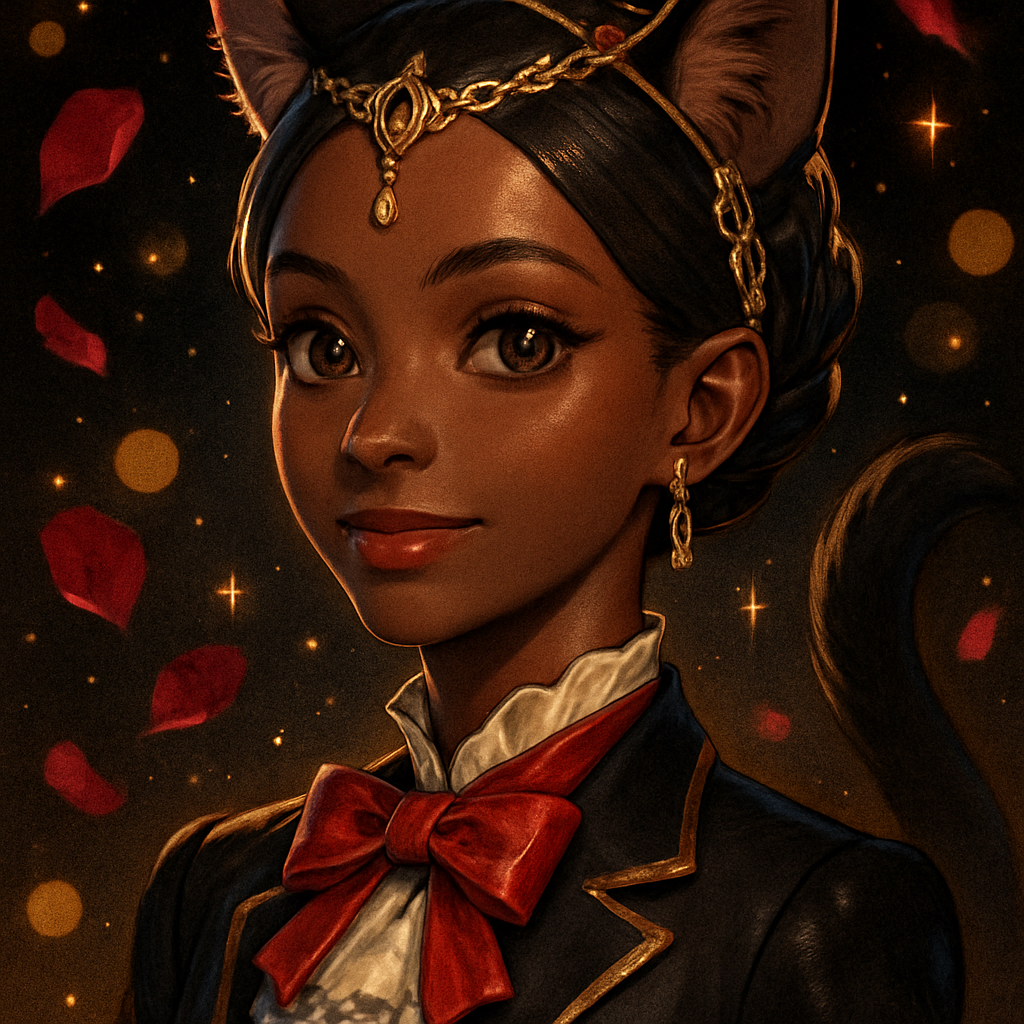
The show pony is a pony play identity oriented toward performance, display, and the particular pleasure of being seen at one's absolute best. Understanding what this persona is, and how it sits within pony play and pet play more broadly, is the right place to begin.
Performance as the center
Where other pony personas find their meaning in work, in the taming dynamic, or in the experience of being cared for, the show pony comes alive specifically in the moment of presentation. The ring, the audience, the carefully executed display of grace, training, and beauty: these are not incidental to the show pony's experience but central to it. Being watched during a well-executed performance is not something the show pony tolerates; it is what they have prepared for and actively seek.
This performance orientation is paired with genuine craft investment. Show ponies practice specific gaits, attend to their presentation with care, and work with their trainers to develop and refine what they bring to a showing. The display is not spontaneous; it is the product of deliberate training, and the show pony's pride in their performance is inseparable from pride in the work that produced it.
The show pony is an active co-creator of the performance rather than someone who is simply put on display by their trainer. Their artistry, physicality, and personal investment shape what the performance is. This makes the show pony role fundamentally collaborative: the trainer's direction and the pony's expression together produce something neither could achieve alone.
How the show pony differs from other pony personas
Pony play encompasses a range of distinct identities within the broader pet play world. A cart or draft pony finds meaning in work and usefulness. A wild pony finds it in the taming dynamic, the tension between their resistance and the trainer's authority. The show pony's orientation is distinct from both: theirs is toward excellence as witnessed, toward the particular satisfaction of a performance that lands with an appreciative audience.
The show pony's relationship with the gaze is a specific and defining characteristic. Being seen, specifically being seen at their best, is not a side effect of what they do; it is the point. This overlaps with exhibitionist sensibilities for some practitioners, though not all show ponies identify with exhibitionism as a kink. The core satisfaction is more precisely about validation of excellence: the audience's attention confirms that the work and training have produced something genuinely worth watching.
Gear is also a more central dimension of show pony culture than of many other pet play identities. Show ponies invest in high-quality bridles, show harnesses, decorative tail pieces, and hoof boots, not as accessories but as part of a complete presentation. The gear is considered with care, and pride in one's turnout is understood within the community as an expression of pride in the work rather than as vanity.
The equestrian tradition
Show pony culture draws directly and specifically from the equestrian world of dressage and show jumping, where precise, beautiful performance is the entire point and the horse-rider relationship is evaluated for the quality of its communication and grace. This real-world reference gives show pony play a rich vocabulary and tradition to draw from, including concepts like collection, impulsion, cadence, and the specific gaits that dressage prizes: the walk, trot, canter, and the elevated movements that demonstrate the highest level of training.
The connection to equestrian culture is not superficial. Many show pony practitioners engage with it as a genuine reference, studying actual dressage training, attending equestrian events, and incorporating the specific vocabulary and values of that world into their practice. The parallel is specific enough that genuine equestrian knowledge informs show pony play meaningfully.
Within kink communities, show pony events and competitions have developed judging criteria that adapt equestrian evaluation to the human context: gait quality, responsiveness to the trainer's cues, quality of presentation, and the overall impression of trained excellence. These events draw serious participants who have prepared extensively, and the standard of performance in established show pony communities can be genuinely impressive.
Exercise
First encounter with the show ring
This exercise invites you to explore whether the show pony's orientation toward performance resonates with your own experience and impulses.
- Recall a specific experience in which you performed or displayed something you had worked on, whether in a formal context like a recital or competition or in a less formal one, and the performance went well. Write three or four sentences about what that experience felt like.
- Notice specifically whether the presence of an audience who appreciated what you were doing was part of what made it satisfying, or whether the performance would have felt the same without anyone watching.
- Research one video of dressage or show jumping, watching specifically for the quality of communication between horse and rider and the particular beauty of precision movement. Write down what you notice.
- Consider: does the combination of physical preparation, a specific performance context, an appreciative audience, and a trainer who is proud of your performance describe something you want?
Conversation starters
- What specific aspect of the show pony persona feels most resonant to you, the performance itself, the preparation and craft, the gear and presentation, or the trainer partnership?
- How do you relate to being watched during performance, and does being watched well feel different from simply being observed?
- What is the specific thing you want an audience to see when you perform, and how does that connect to the show pony identity?
- Have you worked with a trainer or handler before, and what did that partnership offer that performing without one did not?
Ways to connect with a partner
- Watch a dressage performance video together and discuss which elements of the horse-rider partnership you want to build in your own dynamic.
- Ask your trainer to describe what they imagine a perfect showing looks like, and share your own vision in return.
- Discuss what 'presentation' means to each of you, both what gear and turnout represent and what the physical performance itself represents.
For reflection
What is the difference, for you, between performing because you love your craft and performing because you need an audience's approval, and which one are you building toward?
The show pony persona is one of the most demanding and most rewarding in pet play because it asks for genuine craft investment alongside the willingness to be seen. Starting with a clear understanding of what it is makes building it possible.