
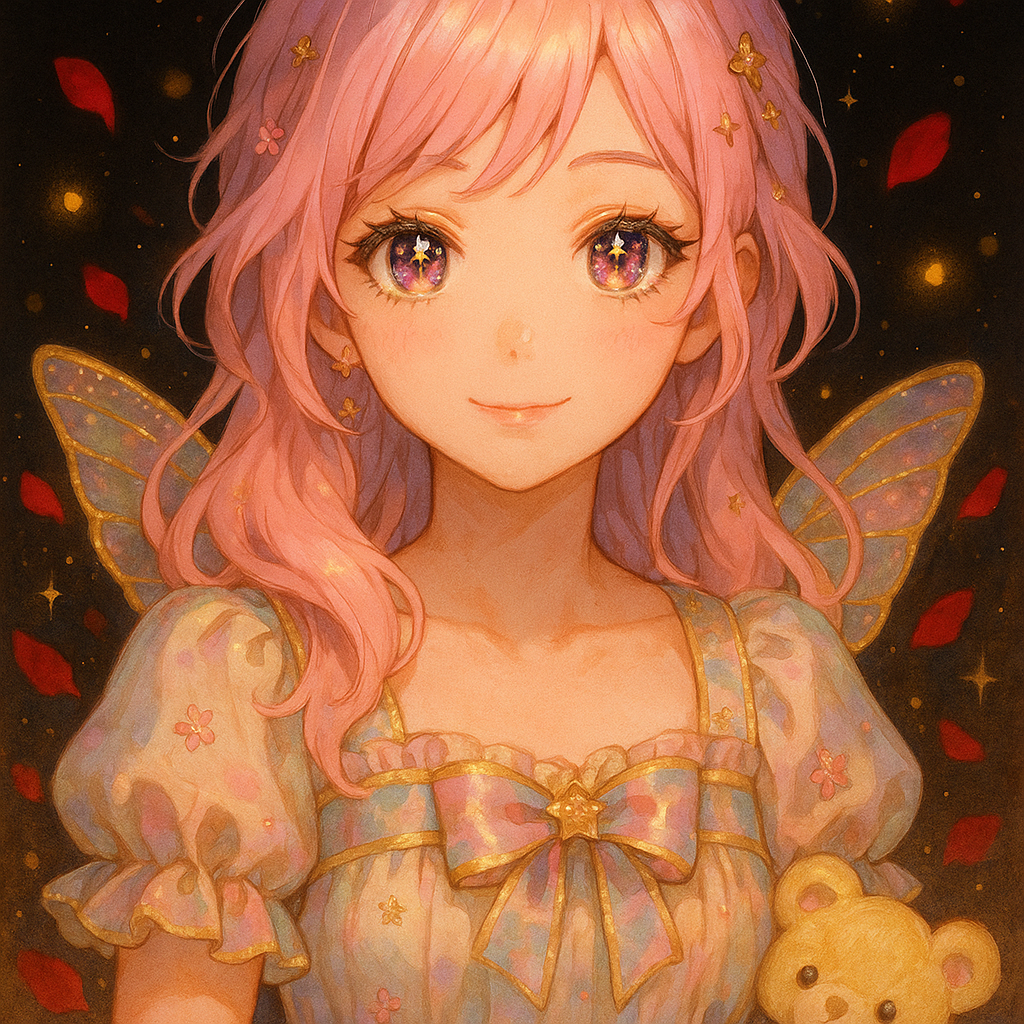
The Fairy archetype is one of folklore's most genuinely ambiguous figures, and it brings that complexity directly into BDSM dynamics. Understanding what the fairy is, what it is not, and what makes its energy distinctive in a power exchange context is the starting point for everything this course covers.
What the Fairy Archetype Is
The Fairy in BDSM roleplay draws on a figure that folklore has never quite managed to make innocent: a being of extraordinary beauty and capricious, sometimes dangerous power, operating by its own logic rather than by ordinary human rules. In contemporary kink contexts, the fairy is most often a submissive or switch archetype, someone who brings an energy of luminous, mischievous play to their dynamic. They are quick, bright, genuinely difficult to contain, and prone to enchanting everyone they encounter.
The key quality that distinguishes the Fairy from other playful submissive archetypes is the quality of enchantment: the fairy seems to produce delight and disorientation around them not as a strategy but as a natural consequence of what they are. Where a brat is knowingly working within the relationship to provoke a specific response, the fairy seems genuinely delighted by the unexpected and brings a quality of magic that makes frustration with them difficult to sustain. This is not an act; for practitioners who genuinely inhabit the archetype, it is an accurate description of how they move through the world.
The Fairy archetype is flexible across dynamic types. Some practitioners inhabit it as a pure submissive, bringing fairy energy to a dynamic with a Dominant who can catch and hold their attention. Others inhabit it in a switch capacity, where the fairy's particular power, the ability to enchant, distract, and reshape an encounter through sheer vivid presence, is part of what makes them a compelling partner. The common thread is the quality of luminous, capricious presence rather than any fixed position in a hierarchy.
Fairy and Folklore: The Source Material
The fairy as an erotic archetype has literary and cultural roots that are far older and stranger than the contemporary association with pastel wings and flower crowns suggests. In British and Irish folklore, fairies are genuinely ambiguous moral figures: beautiful, sometimes dangerous, operating by their own rules, capable of great gifts and genuine harm, and impossible to fully understand from the outside. Shakespeare's Titania and Puck are not cute; they are powerful, capricious, and capable of reshaping reality around themselves when it suits them.
This older, more complex fairy, the fairy of Keats's La Belle Dame sans Merci and the Victorian fairy painters who depicted glamorous, unnerving other-world figures, is the deeper source of the archetype's erotic power. The fairy is compelling not because they are harmless but because they are genuinely other: beautiful in a way that does not operate by ordinary rules, attentive in a way that can shift without warning, and possessed of a particular kind of power that does not announce itself.
Contemporary fairy aesthetics in BDSM draw from this tradition alongside more recent sources: the Fairycore and Cottagecore aesthetic movements, fantasy illustration, and fairy-coded characters in anime and manga. What unites the older tradition and the newer aesthetics is the quality of otherworldliness: the fairy belongs somewhere slightly adjacent to ordinary reality, and their presence makes everything in their vicinity more vivid and less predictable.
- Folkloric fairy: genuinely ambiguous, capricious, operating by their own moral logic, capable of both gifts and mischief
- Romantic tradition: the fairy as figure of dangerous beauty, from Keats through the Victorian fairy painters
- High fantasy: Shakespeare's fairy court, the fae traditions of Celtic-influenced fantasy literature
- Contemporary aesthetics: Fairycore, Cottagecore, fantasy illustration, the fairy-coded characters of anime and manga
Where This Archetype Sits in BDSM
The Fairy shares the Roleplay and Fantasy category with archetypes like the Elf and the creature dynamics, but it has a distinct relationship to power within those dynamics. Where the Elf is typically a Dominant archetype whose power is structural and ancient, the Fairy is most often submissive or switch, and their power is of a different kind: the power of enchantment, of unpredictability, of the quality of attention that makes everyone in the room want to be looked at by them.
The Fairy shares territory with the brat, the little, the pet, and the imp archetypes, all of whom bring some degree of mischievous playful energy to their dynamics. What distinguishes the fairy from each of these neighbours is the specific quality of that energy. The brat's playfulness is pointed; it has a target. The little's is rooted in a younger emotional register. The pet's is more instinctive and physical. The fairy's is genuinely lateral: it moves in unexpected directions for the pleasure of the unexpected, and it brings a quality of genuine enchantment that the neighbouring archetypes do not quite replicate.
Some fairy practitioners also overlap significantly with the primal prey archetype, particularly in dynamics where a significant part of the scene involves being caught. The fairy's evasion has a different quality than the primal prey's instinctive flight, more deliberate, more playful, more oriented toward the pleasure of the chase itself, but the structural similarities are real and the archetypes are natural neighbours.
What the Archetype Is Not
The Fairy is not simply a costume or an aesthetic preference. Practitioners who bring genuine fairy energy to a dynamic are describing something real about how they engage with attention, play, and the experience of being held. The wings and the flower crown are expressions of an inner quality rather than the source of it, and the archetype is accessible to people without any investment in those specific aesthetics.
The fairy's characteristic unpredictability is also not an excuse for poor communication or a justification for violating agreed limits. The fairy operates by their own rules, but in a BDSM context those rules are established through genuine negotiation rather than simply assumed. A practitioner who uses the archetype as justification for doing whatever they feel like without regard for consent has misunderstood the difference between fairy logic within a scene and the real relationship between two people that surrounds and supports the scene.
Finally, the fairy's charm is real and significant, but charm is a quality that can be mistaken for connection when the two are not the same thing. Practitioners who are honest with themselves about this distinction, who understand that the fairy's enchanting quality is one of their genuine gifts without treating it as sufficient on its own for a healthy dynamic, bring the most depth to the archetype.
Exercise
Your Fairy Lineage
The Fairy archetype is richly developed across centuries of cultural tradition. This exercise helps you locate which strand of that tradition resonates most with you and why.
- Bring to mind two or three fairy-adjacent figures from any medium: literature, film, games, art, folklore, or contemporary aesthetics. Write down one quality of each that draws you specifically.
- Compare the qualities you have listed. Are they more in the direction of capricious, morally ambiguous power, or more in the direction of luminous, enchanting play? There is no correct answer, but your response tells you something about the specific flavour of fairy energy you inhabit.
- Write three or four sentences describing the quality of fairy energy you carry, using the figures you identified as reference points but focusing on how that energy actually shows up in you.
- Identify one concrete way the fairy's quality of delight and enchantment already shows up in your ordinary life, before any scene context. Pay attention to it for the next few days.
Conversation starters
- Which version of the fairy, the older folkloric tradition, the Romantic dangerous-beauty tradition, or contemporary fairycore aesthetics, resonates most with how you understand yourself in this archetype?
- What is the difference, for you, between the fairy's capriciousness and the brat's? Do those feel like meaningfully distinct energies, or do you see significant overlap?
- When you imagine the fairy archetype working at its best in a dynamic, what is the specific quality of the experience you are describing?
- Is the fairy's power in a dynamic, its capacity to enchant and hold attention, something you experience as a genuine quality of yours, or does it feel more like an aspiration or a character to inhabit?
Ways to connect with a partner
- Share the fairy figures you identified in the exercise and discuss what each of them represents about the kind of fairy energy you bring, so your partner has a specific and vivid picture of what they are working with.
- Ask your partner which quality of the fairy they find most compelling, and which they find most challenging, and receive both answers without deflecting.
- Discuss together what it would mean for your partner to catch and hold a fairy: what does success look like in that dynamic, and what does it feel like to get there?
For reflection
What specific quality of the fairy, whether enchantment, capriciousness, beauty, or power of a particular kind, do you feel most genuinely, and what does that quality ask of the people who want to be close to you?
The fairy is, in all its traditions, a figure that rewards genuine attention. Understanding which version of this archetype you inhabit is the beginning of inhabiting it honestly.