
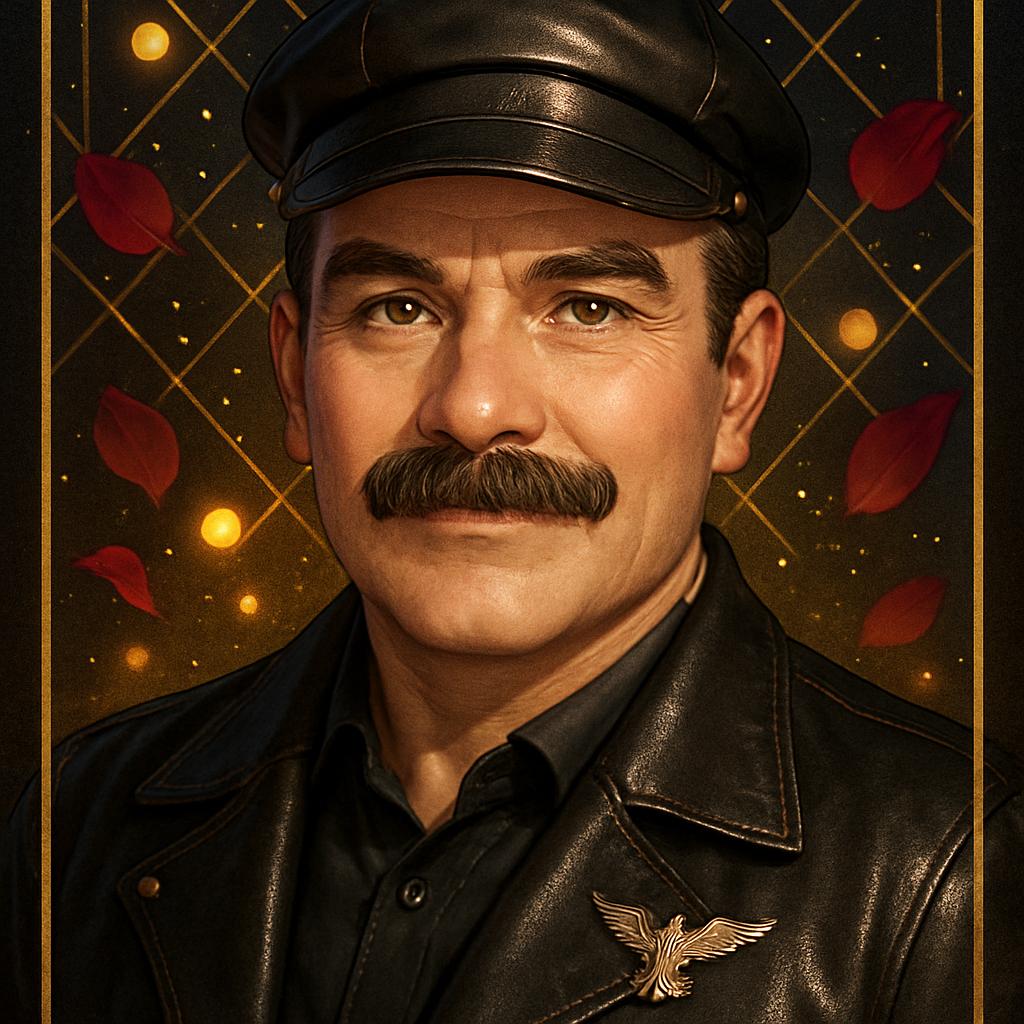
Leather identity becomes concrete through specific practices: the rituals of gear, the ceremonies of community, the protocols of specific dynamics, and the event participation that places you within the tradition. This lesson covers the practical landscape of leather life and offers first steps for people who are ready to begin.
Gear rituals and their meaning
The practice of leather gear is one of the most distinctive and most meaningful practical dimensions of leather identity, and it is worth understanding in some depth before approaching it. In the leather tradition, gear is not fashion; it is material that carries specific meaning, earned significance, and sometimes specific community history. A piece of leather gear that has been given as a formal gift, earned through community recognition, or received as part of a mentor relationship has a different weight than gear purchased casually.
The care of leather gear is itself a practice. Leather requires regular cleaning with appropriate products, conditioning to maintain suppleness and prevent cracking, proper storage away from extreme temperatures, and specific treatment for items like harnesses and restraints that receive regular use and stress. Many leather people develop specific routines around gear care that function as meditative practices, times of deliberate attention to the material form of their identity. Learning to care for gear properly is both a technical skill and a form of respect for what the gear represents.
For people new to leather identity, acquiring first gear is often a significant moment, and the leather community tends to treat it as one. Purchasing from leather craftspeople rather than mass-market sources, understanding what you are buying and why, and approaching the acquisition with intentionality rather than impulse are all consistent with the tradition's values. Some leather people receive significant pieces of gear through formal community rituals, collar ceremonies, or mentor gifts; others acquire theirs independently but bring the same intentionality to it.
Leather community events and participation
Leather community events are the primary context in which leather identity is practiced and transmitted, and regular event attendance is one of the clearest expressions of leather community investment. Events range from local leather bar nights and regional leather contests to major national events like the International Mr. Leather contest in Chicago and the Folsom Street Fair in San Francisco, which has been one of the largest leather community gatherings in the world for decades.
For someone approaching leather community for the first time, local and regional events are typically the most accessible starting points. Regional leather contests often include educational programming, community social events, and opportunities to meet established leather community members in a context that is more intimate than a major national event. Many leather organizations run community nights at leather bars where newcomers can encounter the community in a relatively informal setting.
Participation means more than attendance. Taking on service roles, whether as event volunteers, committee members, or support for the logistical work that events require, is how community members demonstrate their investment. The leather community has always run on volunteer labor, and that labor is noticed and remembered. People who show up consistently and contribute without demanding recognition are building the kind of community standing that leather identity is built on.
Protocols and ceremonies
The leather community has a rich ceremonial life, and engaging with it is part of what makes leather identity concrete rather than aspirational. Collar ceremonies mark significant relationship transitions in D/s and M/s dynamics and are often conducted publicly within community contexts, with witnesses drawn from the leather community. These ceremonies are taken seriously within leather culture, and the community's witness of them gives them a weight that private ceremonies do not have.
Leather family initiations, which mark a person's formal entry into a leather house or family, vary in their specific form but share a common quality of seriousness and community recognition. Being initiated into a leather family means accepting obligations to the people in it, and the ceremony that marks the initiation gives that acceptance formal expression. These are not theatrical performances; they are commitments made in the presence of people who will hold you accountable to them.
Protocol structures in leather dynamics, whether formal positions and forms of address in an M/s relationship or specific rituals around gear, service, or scene conduct, are the daily practice dimension of leather identity. Developing protocols that are drawn from or genuinely connected to leather tradition, rather than invented without reference to it, gives those protocols the weight of lineage. Discussing with a mentor or established leather community member what protocols are appropriate to your dynamic and experience level is one of the ways mentorship becomes practically valuable.
First steps for people approaching leather identity
For someone who is newly drawn to leather identity, the most important first steps are about orientation rather than performance. Finding leather community resources in your area, whether a leather bar, a leather-affiliated BDSM organization, or a regional leather event, and approaching those resources with genuine curiosity and appropriate humility is where the practical path begins. The leather community receives people who show up consistently and ask genuine questions much more warmly than it receives people who arrive with confident self-presentation before they have earned it.
Reading is an essential complement to community engagement. The photography of Robert Mapplethorpe, the writing of Pat Califia and Larry Townsend, the historical documentation available through the Leather Archives and Museum, and the published accounts of people who lived through leather's formative decades all provide context and understanding that community alone cannot fully supply. Many leather people describe specific books or archives as formative in their understanding of what leather identity means.
Finding a mentor, as described in earlier lessons, is the most significant practical step for someone serious about leather identity. The community is the context in which mentors are found, which is another reason that community engagement comes first. Approaching this systematically, attending events, building relationships, demonstrating genuine interest over time, is not a bureaucratic process but the actual practice of becoming a leather person.
Exercise
Your Practical First Steps
This exercise moves from orientation to action. It asks you to identify specific, concrete next steps in your leather life rather than general intentions.
- Identify one specific leather community resource near you, whether a leather bar, a leather-affiliated organization, an online leather community, or a regional leather event, and write down what attending or engaging with it would actually require in terms of time, travel, and preparation.
- Research one piece of leather gear that is relevant to your practice or identity and write down what you would need to know about caring for it properly, including the specific products and techniques involved.
- Identify one book, archive, or piece of writing connected to leather history or community that you commit to reading in the next month. The Leather Archives and Museum website, Pat Califia's essays, or Larry Townsend's writing are all starting points.
- Write down one specific service contribution you could make to leather community in the next six months: a volunteer role at an event, support for a community organization, or another concrete form of community investment.
- Write one sentence about what finding a mentor would mean for you practically, and what community engagement you would need to do to make that relationship possible.
Conversation starters
- What leather community resources are accessible to you, and what would actually attending or engaging with them look like?
- What does your current relationship to leather gear look like, and is there anything about gear care or acquisition that you want to develop?
- Which leather ceremonies or protocols feel most relevant to your current life and practice, and how do you understand their significance?
- What would your first meaningful contribution to leather community be, and what would that contribution require of you?
- What does approaching leather community with appropriate humility look like to you in practice?
Ways to connect with a partner
- Attend a leather community event together and debrief afterward: what did each of you notice, what questions arose, and what drew your attention?
- If you have leather gear, engage in a gear care ritual together, taking time to be intentional about the process and the meaning of the gear you are caring for.
- Discuss together what protocol structures in your dynamic already draw from leather tradition, whether consciously or not, and whether you want to develop that connection more deliberately.
- Identify a leather community event you could attend together in the next three months and make a specific plan to attend it.
For reflection
What would your leather life look like one year from now if you fully committed to the practices described in this lesson, and what is the first concrete step that would make that future more likely?
Leather practice is built from specific acts of community engagement, gear care, ceremony, and sustained presence over time. The next lesson looks at the longer arc of leather identity: how it sustains itself, deepens, and navigates the common challenges of any serious practice.