
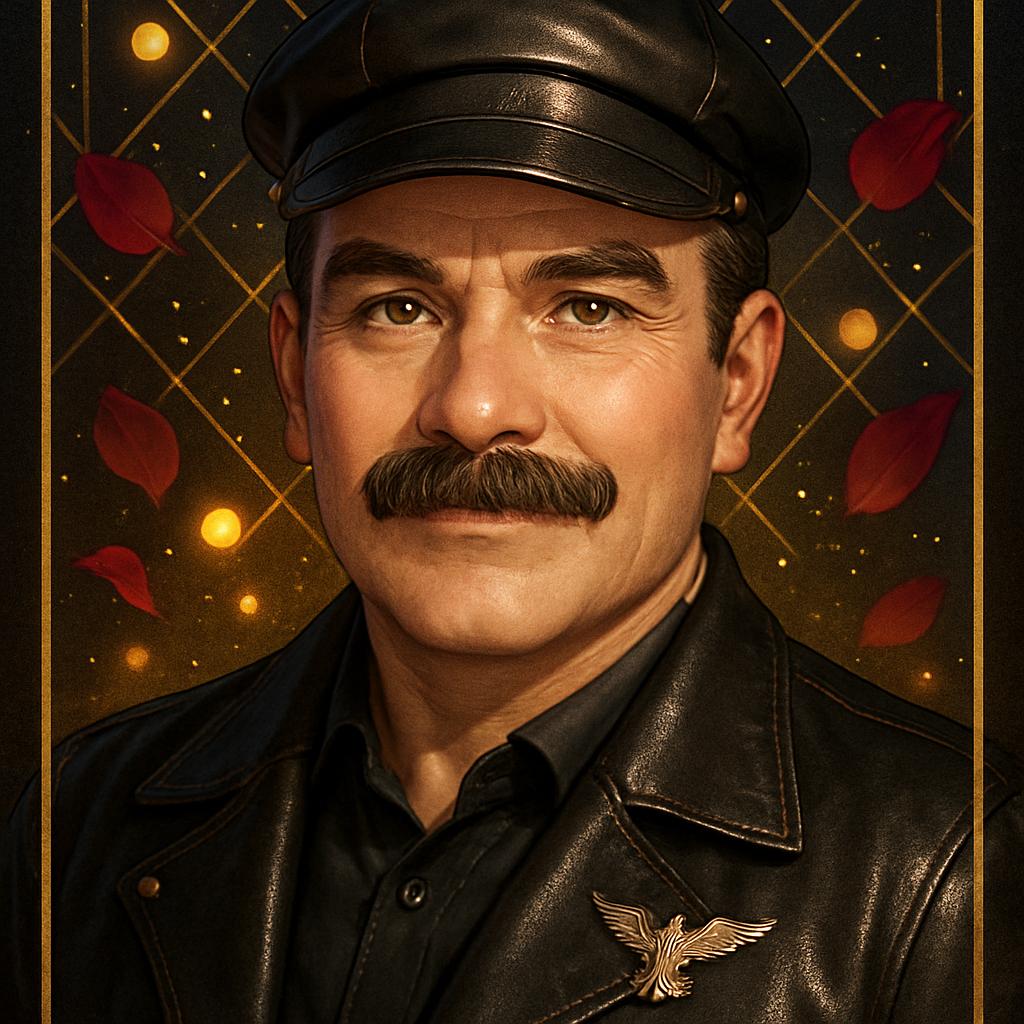
Leather identity is experienced differently by different people, but there are common threads in how it feels from the inside: a particular quality of belonging, a relationship to values that feels more foundational than situational, and a sense that the community's history is personally meaningful rather than merely informative. This lesson explores the interior life of leather identity and how you can tell whether it fits who you are.
What leather identity feels like from inside
For people who genuinely carry leather identity, the most consistent description is one of homecoming. The values that leather culture holds, honor, service, community, earned authority, the weight of history, feel less like things they adopted and more like things they discovered already present in themselves. Many leather people describe encountering the community and recognizing, sometimes with startling clarity, that these were the values they had been living without a name for.
This sense of fit extends to the physical dimension of leather identity. The care of gear, the ritual weight of putting on leather before an event or a scene, the particular register of formality that leather protocol creates: these are experienced not as performance but as expression. For someone who is genuinely a leather person, there is no separation between the aesthetic and the identity beneath it. The gear is not a costume; it is the material form of something they carry all the time.
The community dimension is equally central to the interior experience. Leather people typically describe belonging to a leather family or leather community as a primary relationship in their lives, sometimes more sustaining than other forms of family. The mutual recognition between leather people, the quality of being understood without extensive explanation, and the sense of participating in something larger than any individual dynamic are all part of what makes the identity feel real rather than performed.
Who tends toward leather identity
Leather identity tends to fit people who are drawn to the serious dimensions of kink rather than only its pleasures: the ethics, the history, the craft, the community obligation. Someone who reads leather history and feels personally engaged with what they are learning rather than merely informed is responding to something genuine in themselves. Someone who encounters the concept of mentorship as both something they want to receive and something they eventually want to give is recognizing a genuine orientation.
People who find meaning in ritual, in formal structure, and in the idea that things are done in a particular way for reasons that matter tend to find leather culture resonant. The emphasis on protocol, on the specific significance of gear, on the particular ceremonies through which the community marks important transitions: all of this appeals to people who understand that form carries meaning and that honoring form is itself a practice.
Leather identity also tends to fit people who have a strong sense of obligation to community. The leather tradition survived the AIDS crisis partly because enough people understood that their community's survival was their personal responsibility. That orientation, the understanding that belonging to something means contributing to it, is present in leather people before they know to name it as a leather value. When they encounter the community, they recognize the orientation as their own.
How to tell whether leather fits you
The most reliable signal is not what you feel about leather aesthetics but what you feel about leather values: community investment, earned authority, historical continuity, mentorship, and technical mastery. If reading about those values produces recognition rather than merely interest, you are responding to something genuine. Interest in leather as a visual or sexual aesthetic is real and valid, but it is different from the orientation that leather identity requires.
Another signal worth attending to is your response to the history. People for whom leather is a genuine identity tend to find the community's history personally moving rather than incidentally interesting. The stories of leather people who rebuilt their community through the AIDS crisis, the work of organizations that expanded leather culture to include people who had been marginalized in its original form, the preservation efforts that produced the Leather Archives and Museum: these feel like their history, even if they were not there for any of it.
A third signal is your relationship to mentorship. People who are drawn to leather identity typically find the idea of being mentored genuinely appealing rather than a formality to get through. They want to learn from people who have lived the tradition, not merely to absorb information but because the transmission itself matters. And they find, when they imagine having been in the tradition long enough, that the idea of becoming a mentor feels like one of the meaningful things they might do.
Leather identity across different identities and backgrounds
Leather identity has historically been associated with a specific demographic, primarily white gay men, but this has never been the complete picture and is increasingly less so. Leatherwomen have been present in the community since its early decades, creating their own organizations and traditions while engaging fully with the core leather values. Leather people of color have built organizations like ONYX that honor the leather tradition while naming and addressing the racism that has sometimes operated within it.
For people coming to leather identity from outside the gay male tradition that shaped it, the question of how to engage with a history that may not have included people like you is real and worth taking seriously. The honest answer is that the core values of leather culture, community investment, earned authority, ethical seriousness, technical mastery, do not belong to any demographic. They were articulated within a specific community, but the values themselves are genuinely transmissible and genuinely worth carrying.
Many contemporary leather people find that engaging honestly with both the tradition's richness and its limitations is itself a form of leather practice. The leather community's best values include a commitment to honesty and to building something worthy of the people who sacrificed for it. Engaging with leather's history in a way that honors the whole of it, including its exclusions, is consistent with that commitment.
Exercise
Listening for Recognition
This exercise asks you to pay attention to your own responses as you work through a set of questions about leather values and identity. Recognition is different from intellectual agreement, and this exercise helps you notice which one you are experiencing.
- Read through the list of leather values from Lesson 1: community investment, earned authority, historical continuity, mentorship, honor, and technical mastery. For each one, write one sentence about whether you feel recognition, interest, or uncertainty. Do not try to make all of them feel the same.
- Write about a time in your life, inside or outside of kink, when you felt the kind of community belonging that leather people describe: a sense of shared values, mutual recognition, and belonging to something larger than yourself. What did that feel like, and what made it real?
- Write one sentence about what mentorship means to you, both receiving it and eventually offering it. Does the idea of being mentored in a tradition feel important to you, or is it more neutral?
- Write down one aspect of leather identity, based on what you have read so far, that you feel genuine uncertainty about. Naming uncertainty is part of approaching this identity honestly.
Conversation starters
- When you read about leather values, which ones feel like recognition and which feel like new ideas? What does the difference tell you?
- How do you relate to communities that carry specific history and transmitted values? Do you have experience of belonging to something that asks things of you in return?
- What does the idea of mentorship mean to you, and how does it feel different from simply learning from someone?
- If leather identity requires community investment rather than only personal practice, how does that sit with you?
- What aspects of leather identity as described here feel genuinely resonant, and which feel unfamiliar or uncertain?
Ways to connect with a partner
- Share the values listed in this lesson with a partner and ask them which ones feel like they describe you already, from their perspective.
- Discuss together what community investment looks like in your current life, and whether that orientation already exists in how you engage with people and groups.
- If you have a partner who also has interest in leather identity, compare your responses to the recognition signals described in this lesson. Where do you overlap and where do you differ?
- Ask each other what belonging to a tradition would mean for your relationship, and whether that framing is appealing or complicated.
For reflection
Which of the leather values described in this lesson feel most personally resonant to you, and what does that resonance tell you about whether this identity is one you are genuinely drawn to or one you find interesting from a distance?
Knowing whether leather fits you is not something you can determine in a single lesson; it develops through engagement with community, history, and practice over time. The next lesson looks at what the leather identity genuinely asks you to develop and practice.