
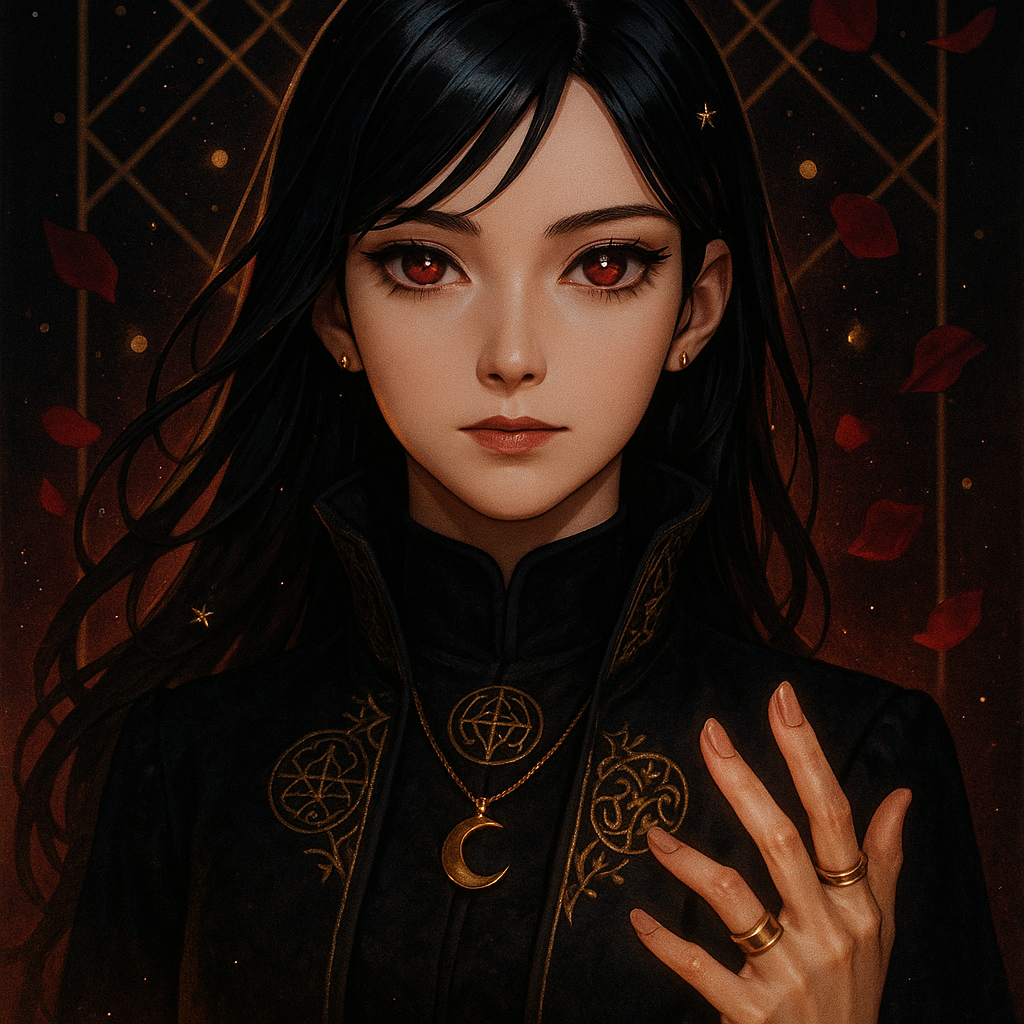
Witch scenes work through suggestion, atmosphere, and the power of implication as much as through direct instruction. This makes the pre-scene conversation especially important: the enchanted frame of the scene depends entirely on a clear, explicit foundation in ordinary reality. This lesson covers what that conversation needs to include and how to approach it.
Why Atmospheric Scenes Need Explicit Negotiation
The more immersive and atmospheric a scene is, the more important explicit pre-scene negotiation becomes. Atmospheric scenes create altered states that reduce ordinary critical thinking and make the partner genuinely more susceptible to suggestion. This is a feature of the practice, not a bug: it is part of what the Witch's craft accomplishes. But it means that the consent and communication foundation must be established thoroughly in ordinary reality, before the atmospheric frame is activated, because trying to establish it inside the enchanted space is like trying to read a map while in a moving car.
The Witch's authority in the scene is experienced as mysterious and not-quite-explicable. The partner who is genuinely in the scene does not experience the Witch as a person playing a character; they experience something more like genuine enchantment. This phenomenologically real experience requires a very clear and explicit foundation: both parties must know exactly what they agreed to, what the limits are, and how genuine communication is signaled, so that the enchanted experience can be fully inhabited without anxiety about its edges.
Negotiation for atmospheric scenes is not less important because the scenes are fantasy; it is more important. The more the scene works on unconscious and emotional levels, the more the explicit conscious agreements protect both parties.
What the Pre-Scene Conversation Covers
The pre-scene conversation for a Witch dynamic covers all the standard elements of kink negotiation: what the scene will contain, what each party's limits are, how genuine communication (the signal that something needs to stop or change) will be conveyed in a scene where ordinary speech may be within the fiction, and what aftercare looks like. It also covers several elements specific to the Witch archetype.
First, the specific fictional framework needs to be established in plain terms. What world are we in? What is the nature of the Witch's relationship to the partner in this world? Are they captive, willing subject, client seeking a service, familiar, or something else? The partner needs to understand their in-world position to navigate the scene.
Second, the specific content areas need to be addressed. Witch scenes often involve sensation play framed as the Witch's craft, divination or cold-reading dynamics that use real information in the fictional frame, binding of various kinds, and symbolic or ceremonial elements that may include specific language, objects, or physical acts. Being explicit about which of these are welcome and in what form protects the partner from surprise and protects the Witch from crossing lines that were not clearly drawn.
- Atmospheric scenes require especially thorough negotiation because the enchanted frame reduces ordinary critical thinking in ways that must be prepared for.
- Establish the specific fictional framework in plain terms: the world, the relationship, each party's in-world position.
- Address specific content areas, including sensation play, divination dynamics, binding, and ceremonial elements, explicitly and in advance.
- Ensure both parties know how genuine communication is signaled in a scene where ordinary speech is within the fiction.
The Contract as Scene Element and Consent Document
Many Witch dynamics use a written contract as both a consent document and a scene element: the agreement between Witch and subject that is framed as a spell or binding in the fiction but that also serves as the record of what was actually agreed. This device is particularly elegant for the archetype because it honors both the need for genuine explicit consent and the aesthetic logic of the scene.
When using a contract as a scene element, it is important to be clear about its two registers. The plain-language negotiation that happened outside the fiction is the actual agreement; the ritual contract within the scene is the aesthetic expression of that agreement. If there is any ambiguity about limits or consent, that ambiguity should be resolved in the plain-language conversation before the contract is signed within the fiction. The contract's scenic power depends on its genuine content.
Introducing the Witch Archetype to a New Partner
For a partner unfamiliar with atmospheric or roleplay-heavy kink, the Witch archetype requires some care in introduction. Beginning with the atmospheric elements, plunging someone into a fully constructed scene space before they have context for it, tends to produce anxiety rather than engagement. A better approach is to start with the qualities of the practice: the sensory investment, the ritual dimension, the specific quality of Dominant presence the archetype involves, and to invite your partner into genuine conversation about whether those things appeal to them.
Showing rather than describing is often more effective than explanation for partners who are new to atmospheric kink. A brief experience of one element of the Witch's world, a specific scent, a ritual gesture, a particular quality of attention in an otherwise ordinary interaction, followed immediately by honest conversation about how it felt, gives them something concrete to respond to. Their response to that small experience tells you much more than their response to an abstract description would.
Exercise
Pre-Scene Conversation Blueprint
This exercise produces a specific pre-scene conversation outline tailored to a Witch scene you actually want to create.
- Write a two-sentence description of the fictional world of this specific scene: the world, the relationship between the Witch and the partner in it, and the nature of the encounter.
- List three specific elements of the scene, drawn from your toolkit, and for each one write one sentence about why it is there and what it is intended to do. This keeps your scene design intentional rather than atmospheric for its own sake.
- Write down your communication protocol for this scene: specifically, how the partner signals that something needs to stop or change in a way that you will hear clearly even inside the enchanted frame.
- Write down what aftercare looks like for this specific scene. Atmospheric and immersive scenes often require specific kinds of landing, and knowing what those are in advance means you can provide them reliably.
- Review the outline and identify anything you have been assuming your partner already knows. Those assumptions are the things to make explicit in the actual conversation.
Conversation starters
- How do you think about the relationship between the enchanted atmospheric frame and the explicit consent that has to exist underneath it?
- What is your experience with using a written contract as both a scene element and a consent document? What works well about it?
- How do you establish the communication protocol for a scene where ordinary speech is within the fiction?
- What has been your most effective approach to introducing the Witch archetype to a partner who was unfamiliar with atmospheric kink?
Ways to connect with a partner
- Use the pre-scene conversation blueprint as the actual structure for a conversation about an upcoming scene. Compare how the conversation feels compared to how you have negotiated in the past.
- If you use a written contract as a scene element, write it together in plain language first and then discuss how to render it in the aesthetic register of the fiction.
- Ask your partner directly: is there anything about the Witch archetype that makes you uncertain about what you have consented to? Give them genuine space to answer.
For reflection
Is there anything you have been assuming your partner understands about the Witch dynamic that you have not actually made explicit? What is the risk of leaving it unstated?
The explicit negotiation is what makes the enchanted experience genuinely safe to inhabit. The next lesson moves to the scene itself: how to open ritual space, what the major Witch scene types involve, and how to take the first concrete steps into active practice.