
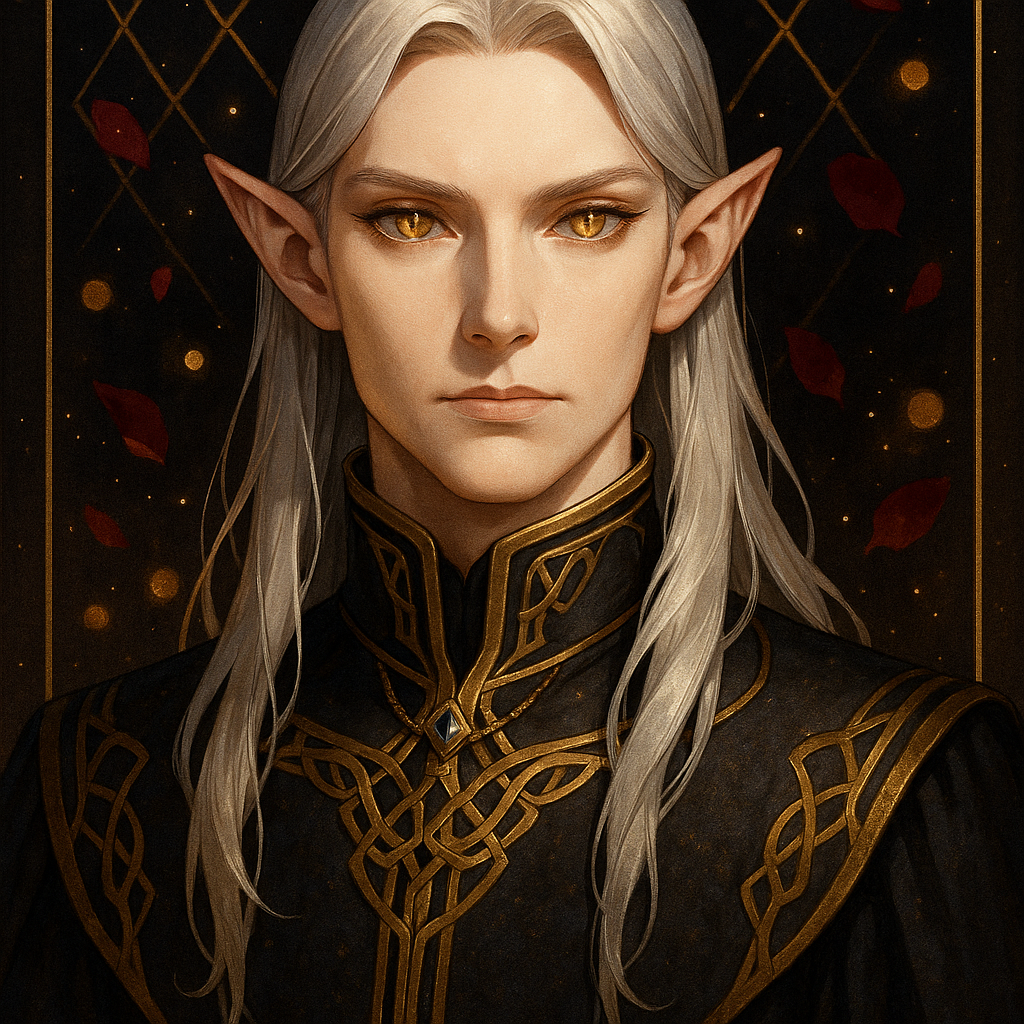
The Elf archetype, with its explicit emphasis on ancientness and the long view, is particularly well suited to dynamics that develop over time. This final lesson addresses the common growth edges and pitfalls of the archetype, the specific demands of aftercare for high-immersion scenes, and what it looks like to sustain and deepen an elf dynamic across months and years.
Common Pitfalls and Growth Edges
The most common pitfall for Elf Dom practitioners is allowing the archetype's aesthetic distance to function as genuine emotional unavailability within the dynamic. The cool, remote quality of elven authority is a powerful and appropriate quality within a scene, but it is not a personality that can substitute for genuine connection in the relationship. Practitioners who find themselves maintaining the elf's composure and distance outside of scenes, particularly in moments when their partner needs genuine human warmth, have likely allowed the archetype to colonize more territory than it should.
A related pitfall is investing more in the aesthetic of the archetype than in the actual relationship with the partner. Elf dynamics can involve significant investment in costume, worldbuilding, and scene craft, all of which are genuinely valuable when they serve the dynamic. When they become ends in themselves, however, the relationship can become secondary to the aesthetic project, and the partner may feel less like a person being attended to and more like a prop in an elaborate tableau.
For submissive practitioners, the most common growth edge is developing the capacity to remain genuinely present in a high-immersion dynamic rather than simply being carried by the atmosphere. The quality of surrender that the elf dynamic offers is most meaningful when it is actively offered rather than passively experienced. This distinction, between genuine submission and being swept along, requires practice and honest self-examination.
Aftercare for High-Immersion Scenes
High-immersion roleplay scenes, particularly those with strong protocol elements and significant aesthetic investment, produce a quality of absorption that makes aftercare both more important and more specific than it might be in lower-immersion dynamics. Both parties will have spent significant time and energy in a state that is genuinely different from ordinary consciousness, and the transition back requires attention.
For the Elf Dom, aftercare often involves explicitly releasing the character: a deliberate moment of stepping out of elven composure and being ordinarily present as themselves. Many practitioners find that physical warmth, a change of clothes or removal of costume elements, and direct, unguarded conversation help make this transition. Some describe the experience of sustained elven authority as quite physically tiring, and self-care after an intense scene should include genuine physical rest.
For the submissive, aftercare after an elf dynamic often involves being explicitly received as themselves rather than as the lesser being or petitioner of the scene. Hearing their own name, being touched in ways that are warm and unconditional rather than protocol-inflected, and having their genuine experience of the scene invited and received are the most commonly cited needs. The transition from the grandeur of the elven dynamic to the ordinary warmth of human connection is, done well, its own kind of gift.
- Both parties should have a consistent post-scene transition: a specific action or exchange that signals that the scene has ended and the relationship is operating in its ordinary mode.
- Physical warmth and comfort are commonly needed after high-immersion scenes: blankets, food or drink, and a calm environment help regulate the nervous system.
- Out-of-character conversation about the experience of the scene, invited and received without judgment, helps both parties integrate what happened and provides useful information for future scenes.
- Both parties should plan for the possibility of sub-drop or Dom-drop in the days following an intense scene, and have a plan for checking in.
Sustaining an Elf Dynamic Over Time
The Elf archetype is, in its own mythology, a long-duration entity. Practitioners who commit to developing this dynamic over time rather than treating it as a series of discrete scenes often find that the dynamic develops qualities of depth and resonance that are genuinely different from what early scenes produce. This accumulation is specific to the archetype in a way that is worth building toward intentionally.
One of the most effective ways to sustain an elf dynamic over time is to invest in the ongoing development of the elven persona: reading more of the source traditions, developing the backstory and cultural context of the specific elven figure you are playing, occasionally writing in their voice or developing their aesthetic further. This ongoing investment keeps the archetype genuinely alive rather than becoming a costume you put on and take off without growth.
The relationship between the Elf Dom and their partner also deepens differently over time than many other dynamics. As the submissive learns the specific qualities and expectations of their partner's elven persona, the scene can become more nuanced, more referential to shared history, and more emotionally rich. The elf who has been with a partner for three years can offer that partner something that a first scene with a stranger cannot; this specificity is worth treating as a destination and working toward.
The Longer View: Growth in Both Roles
Both roles in an elf dynamic grow in specific ways over time, and understanding those growth trajectories helps practitioners invest their attention appropriately. For the Elf Dom, the primary growth arc is from the performance of elven authority toward its genuine embodiment: the early scenes require conscious attention to posture, language, and character maintenance that later scenes produce more naturally. The goal is an authority that genuinely does not need to assert itself because it is real in the practitioner.
For the submissive partner, the growth arc tends to move from the initial experience of the dynamic's atmosphere toward a more active and conscious engagement with what submission in this specific context means. The most developed submissive practitioners in elf dynamics describe their submission not as passivity but as a skilled and deliberate offering: they know what they are giving, they know why they are giving it, and they bring genuine intention to the act.
Both practitioners benefit from periodic honest conversation about where they are in these arcs and what they want to develop next. The elf's quality of patient attention applies here too: development in a rich dynamic is not linear, and the most interesting moments are often the ones where the archetype surprises both parties with what it turns out to mean.
Exercise
The Long-View Reflection
This exercise asks you to think about the elf dynamic not just as a series of scenes but as something you are building over time. It works best written rather than held only in memory.
- Write a paragraph describing what you hope an elf dynamic looks like after one year of genuine investment. Be specific about what has grown: in the aesthetic, in the quality of the exchanges, in your own capacity, and in the dynamic's emotional depth.
- Identify the single most important pitfall described in this lesson for your specific situation, and write one concrete thing you will do to work against it.
- Design a simple check-in practice for use in the days after an intense scene: a specific question you will ask your partner, or a specific piece of information you will share about your own experience.
- Write one sentence describing what the elf dynamic is ultimately about for you, beneath the aesthetics and the fiction. Return to this sentence periodically and update it as your experience of the dynamic develops.
Conversation starters
- What does genuine growth look like for you in this dynamic, and how will you know when you are experiencing it?
- Which of the common pitfalls described in this lesson feels most relevant to your specific situation, and how do you want to work with it?
- What does the long-term version of this dynamic look like to you? What would it feel like to have been building it together for years?
- How do you want to handle the inevitable moments when the dynamic needs to rest, when one or both of you needs something different for a while, without losing what you have built?
- What does the elf dynamic give you that you cannot get from other kinds of connection, and how do you want to protect and develop that?
Ways to connect with a partner
- Share your long-view paragraphs from the exercise and look for both the places where your visions align and the places where they differ, treating both as useful information.
- Establish a regular but low-key check-in practice, perhaps a monthly conversation about how the dynamic is developing, so that growth is a conscious shared project rather than something that happens by accident.
- Identify one thing you want to develop in the next three months, one investment in the aesthetic, one development in the quality of the exchange, or one new scene structure to explore, and make it a shared intention.
For reflection
What would it mean to bring the elf's own quality of patience and long perspective to the project of building this dynamic, and what would you do differently if you genuinely took that perspective?
The Elf archetype rewards practitioners who approach it with the qualities it embodies: patience, precision, genuine investment, and a willingness to let something develop into what it will become rather than insisting on what it should be immediately. The best elf dynamics are not built in a single scene. They are grown.