
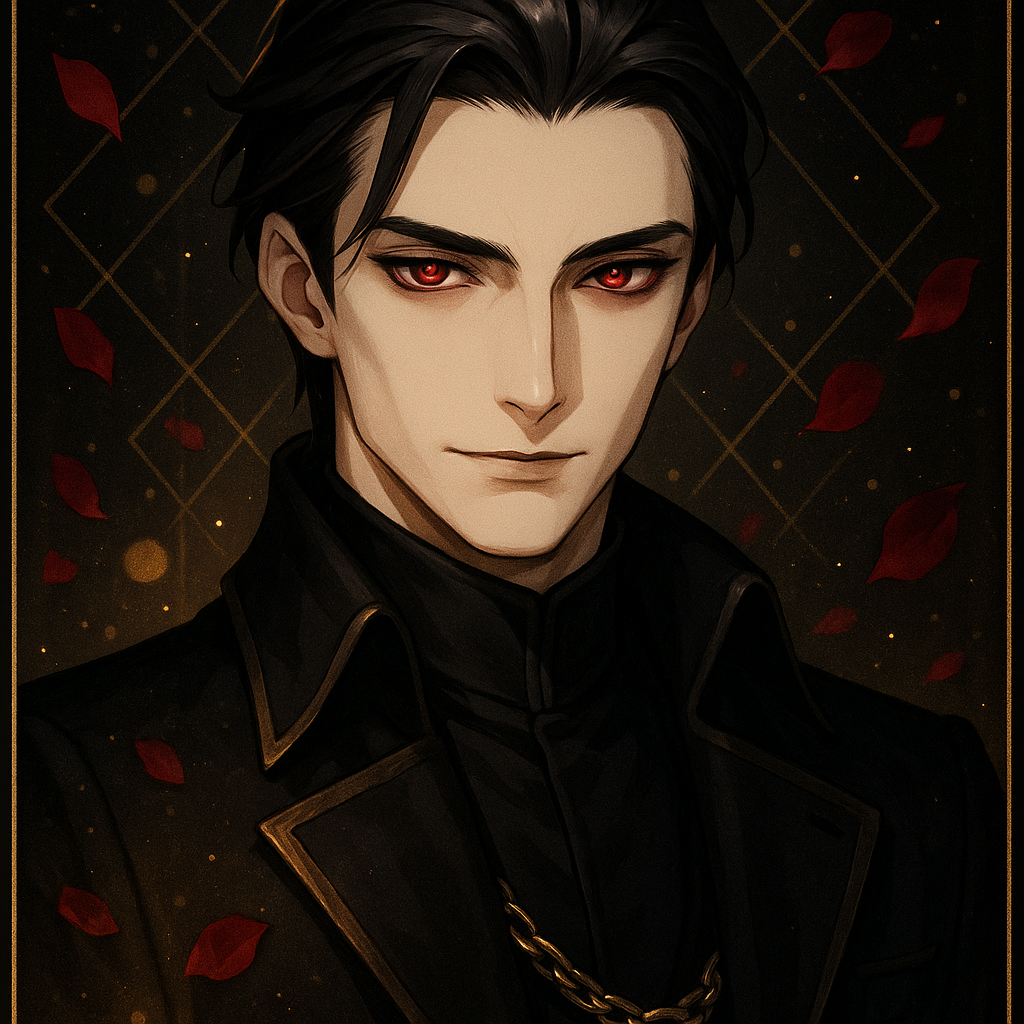
The Villain Dom role requires specific skills that other forms of dominance do not. This lesson addresses the craft of building and inhabiting a convincing villain character, the practice of maintaining the character-self boundary during intense play, and the particular skill of returning cleanly and warmly to yourself when the scene ends.
The Craft of the Character
A convincing villain character is not assembled in the moment; it is built through deliberate thought about who the character is, what they want, how they see the world, and what specific qualities make them compelling rather than simply aggressive or cold. This is similar to the preparation an actor does before a performance, and borrowing from that tradition is useful. Understanding your character from inside, rather than only knowing what they do to the partner, produces a more convincing and immersive experience.
Specific questions worth working through for any villain character include: What does this character want from the scene? Not what you, the practitioner, want, but what the character's internal logic is. What is the character's relationship to the person in front of them, whether adversarial, possessive, intrigued, or some combination? How does the character speak, move, and direct their attention, and how is this different from how you ordinarily do these things? What is the specific quality of their threat, whether it is cold calculation, passionate intensity, or something else, and how does that quality manifest in concrete behavior within the scene?
The character's inner logic does not need to be articulated aloud; it simply needs to exist in your own understanding of who you are playing. Characters with consistent internal logic are more convincing and easier to sustain, because they produce responses that feel inevitable rather than performed. When something unexpected happens in the scene, a character with clear internal logic can respond from that logic rather than having to improvise from scratch.
Maintaining the Character-Self Boundary
The character-self boundary is the most technically demanding aspect of Villain Dom play. During a scene, you are simultaneously the character, who does not acknowledge the real relationship, and yourself, who maintains awareness of your partner's actual state and responds to safewords and genuine distress cues. Managing both at once requires specific practice.
Many experienced Villain Doms describe a kind of dual channel of awareness: one channel in the character, producing what the character would say and do, and another channel that remains you, watching your partner and the scene from a slightly different position. This dual awareness becomes more natural with practice, but it can be consciously cultivated by establishing before scenes that you are doing exactly this: playing a character from one part of your awareness while remaining present as yourself in another.
A specific practice that helps is having a designated phrase or signal that means 'I am speaking as myself, not the character.' This phrase takes you fully out of character for whatever communication is needed, and both people understand that the fiction is paused when it is used. Some practitioners also establish a re-entry phrase that marks the return to character after a check-in, so the fiction can resume smoothly when appropriate. Having these transition mechanisms established and practiced before they are needed means they are available in the moments when they matter most.
Returning to Yourself
The transition from the villain character to your genuine self at the end of a scene is one of the most important moments in Villain Dom play. Your partner needs to feel this transition completely: to experience you returning to full warmth, genuine regard, and the real relationship underneath the fiction. A partial return, where some quality of the character lingers in your tone or body language, can produce disorientation or a sense of unsafety in a partner who has just been through an intense fictional encounter.
The return should be deliberate and complete. Many practitioners develop a specific ritual for this: a statement that explicitly marks the end of the character, such as 'I'm back, that's done now,' followed by physical warmth, close contact, and the genuine attention of aftercare. The transition does not need to be sudden; it can include a brief moment of stillness or a breath. What it should not do is trail off or leave the partner uncertain about whether the character is still present.
Practicing the return in lower-stakes contexts builds the muscle for doing it reliably in intense ones. If you have engaged in any form of character play, even informally, notice how you return from it: how quickly and completely you come back to your ordinary self, and whether anything lingers. This gives you useful information about where you are starting from and what, if anything, you need to develop before bringing this skill to Villain Dom play.
Exercise
Building Your Character
This exercise walks you through building the internal logic of a villain character you want to inhabit, giving you the foundation for more convincing and more satisfying play.
- Write the character's name or archetype type, and two sentences about who they are from inside their own perspective.
- Write what this character wants in the scene: not what you want as the practitioner, but what the character's internal motivation is.
- Write how the character speaks: what their tone, pacing, and word choice are like, and how these differ from your ordinary way of communicating.
- Write one sentence the character might say to your partner early in the scene, from inside the character's logic.
- Write the phrase you will use to step out of character if something in the scene requires it, and what returning to yourself looks like immediately after.
Conversation starters
- How do you build a villain character from the inside rather than only from the outside, and what does that process look like for you?
- How do you maintain awareness of your partner's actual state while remaining in character, and what tells you when to step out?
- What does the transition back to yourself look like at its best, and what do you do to ensure it is complete and clear?
- What is the role of craft in this kind of play for you, and how does treating it as a skill to develop change how you approach it?
Ways to connect with a partner
- Share the character's internal logic with your partner before the scene, not as part of the fiction but as part of negotiation, so they understand what they will encounter.
- Practice your out-of-character phrase and return together in a low-stakes context, so both of you can feel what the transition looks and sounds like.
- After a scene, ask your partner how the return felt: whether it was complete and clear, and whether anything about the character's quality lingered in ways that felt unresolved.
For reflection
What does genuine craft in this role mean to you, and what would it look like to bring more of it to the way you build and inhabit a villain character?
The craft of the Villain Dom is in building a character from the inside and returning from it completely. Both are skills that develop through attention and practice, and both are what make this kind of play genuinely satisfying rather than simply intense.