
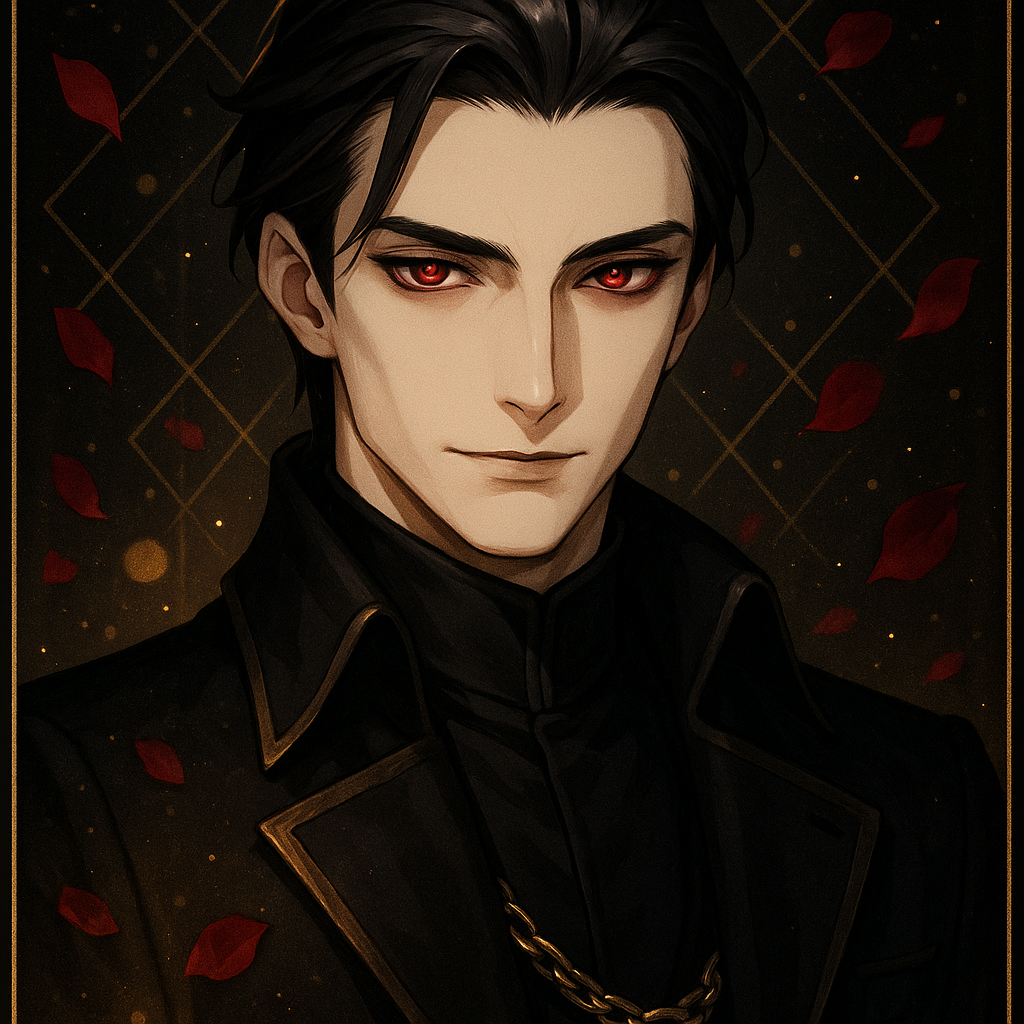
Villain Dom play requires more specific and detailed pre-negotiation than most other forms of BDSM roleplay. The fiction needs to be constructed carefully before it begins, with both people holding explicit, shared understanding of the character type, the scene's shape, and the safety mechanisms built into it. This lesson covers how to have this negotiation well.
What to Establish Before the Scene
The most important pre-negotiation element in villain play is the specific character type and the quality of the fiction. 'I want to do a villain scene' is not enough; you need to know what kind of villain is wanted. Is the character cold and calculating or passionately dangerous? Is the menace physical, psychological, or atmospheric? Is there tenderness beneath the threat, or is the character entirely without warmth toward the partner? What specific tropes or scenarios is the partner drawn to, and what should the scene feel like from inside the fiction?
This level of specificity protects both people. The Villain Dom who does not know what character their partner wants may bring something too far in one direction, too intense in one quality, or missing the specific note that makes the fiction compelling for that partner. The partner who has not communicated this specifically may find themselves in a scene that is technically within bounds but does not produce the experience they wanted. The more specifically both people have discussed the specific flavor of the fiction before it begins, the more likely the scene is to deliver what was sought.
In addition to the character type, negotiation should cover the scene's scope: what happens, in what order, and how it ends. Villain scenes frequently involve capture, confrontation, or power-over dynamics that have specific content implications. What specific activities are included? What is explicitly off limits? How does the scene resolve, and does the partner have a clear understanding of what the ending will look like? These are questions with real answers that both people should know before the scene starts.
Safewords, Exit Points, and In-Character Communication
Safewords are necessary in all BDSM play, and villain roleplay adds specific considerations. When a partner is in an immersive fiction, they may be saying 'stop' or 'no' as part of the scene's content, and both people need a clear shared understanding of how to distinguish in-character protest from a genuine stop signal. Standard safeword practice handles this, but it is worth reviewing the specific mechanics with a partner before villain play, since the intensity and immersiveness of the fiction can make the real-versus-fictional distinction more important to have explicit.
Many Villain Dom practitioners also establish a middle signal: something that means 'check in as yourself' rather than 'full stop.' This allows for a moment of real contact without necessarily ending the scene, which is useful when something has happened that needs brief acknowledgment but does not require stopping the fiction entirely. Having this signal established and understood by both people gives the Villain Dom the ability to make a quick, clean check-in and return to character if everything is in fact fine.
Exit points should be built into the scene's structure as designed moments where a natural break in the fiction allows for real-time check-in without disrupting the arc. This is particularly useful for longer scenes where sustained intensity may need to be periodically grounded in genuine contact. The Villain Dom who builds these into the scene's design, rather than relying entirely on safewords as the only exit mechanism, demonstrates both craft and care.
Specific Considerations by Character Type
Different villain archetypes carry different negotiation requirements. A cold, calculating character who operates through psychological control requires specific negotiation around the kind and extent of psychological intensity, since what feels compelling as fictional threat can cross into actually distressing territory more quickly in the psychological register than in the physical one. Both people need explicit shared understanding of where the character's psychological approach is going and what the limits are.
A passionately dangerous character, one whose menace comes from intensity of feeling rather than cold calculation, carries different considerations. The emotional temperature of this character type can escalate rapidly, and having negotiated the scene's pacing and intensity ceiling in advance is particularly important. The partner who asked for a passionate villain and finds themselves in something more overwhelming than they anticipated is in a worse position if no specific intensity ceiling was discussed.
For any villain type that involves physical elements, the usual negotiation around physical play applies in full, plus the additional consideration that the fiction may create a different felt context for physical sensations than the partner is used to. Sensations experienced in the context of an immersive villain capture fantasy can land differently than the same sensations in a more neutral scene. This is generally positive, but both people should be aware of it and include it in their discussion of what is in and out of bounds.
Exercise
Drafting Your Villain Scene Negotiation
This exercise walks you through the specific elements of a villain play negotiation, giving you concrete language and a structure you can use with a partner.
- Write the character type you want to embody in two sentences, specific enough that a partner can tell what quality of menace they will encounter.
- Write two things that will be in bounds for this specific scene, and two things that will not be, as specifically as possible.
- Write how the scene ends: what the resolution looks like, and how the partner will know the fiction is over.
- Write the phrase that means 'I am speaking as myself' and describe what a brief check-in mid-scene would look and sound like.
- Write the opening you would use to raise villain play with a partner who has expressed interest but where the specific shape has not been discussed.
Conversation starters
- What specific villain type or fiction are you most drawn to embodying, and what would you want your partner to know about it before you begin?
- How do you think about the distinction between in-character protest and a genuine stop signal, and how do you want to handle it in your specific practice?
- What does a mid-scene check-in look like for you, and how do you return to character after one?
- What character-type-specific negotiation do you think is most important for the kind of villain play you want to do?
Ways to connect with a partner
- Have a dedicated villain play negotiation conversation, covering character type, scene scope, what is in and out of bounds, and safety signals.
- Ask your partner to describe the villain they most want to encounter in as much specific detail as they can, and discuss where that aligns with the character you want to bring.
- Practice your out-of-character phrase and mid-scene check-in together before any scene, so both of you are confident in how it works.
For reflection
What is the one element of villain play negotiation you find most important to get right before a scene begins, and why does it matter most to you?
Careful negotiation is what makes it possible to commit to the fiction fully during the scene. When both people are clear on the character, the scope, and the safety mechanisms, the fiction can be inhabited without the worry that full commitment will take either of you somewhere the other did not agree to go.