
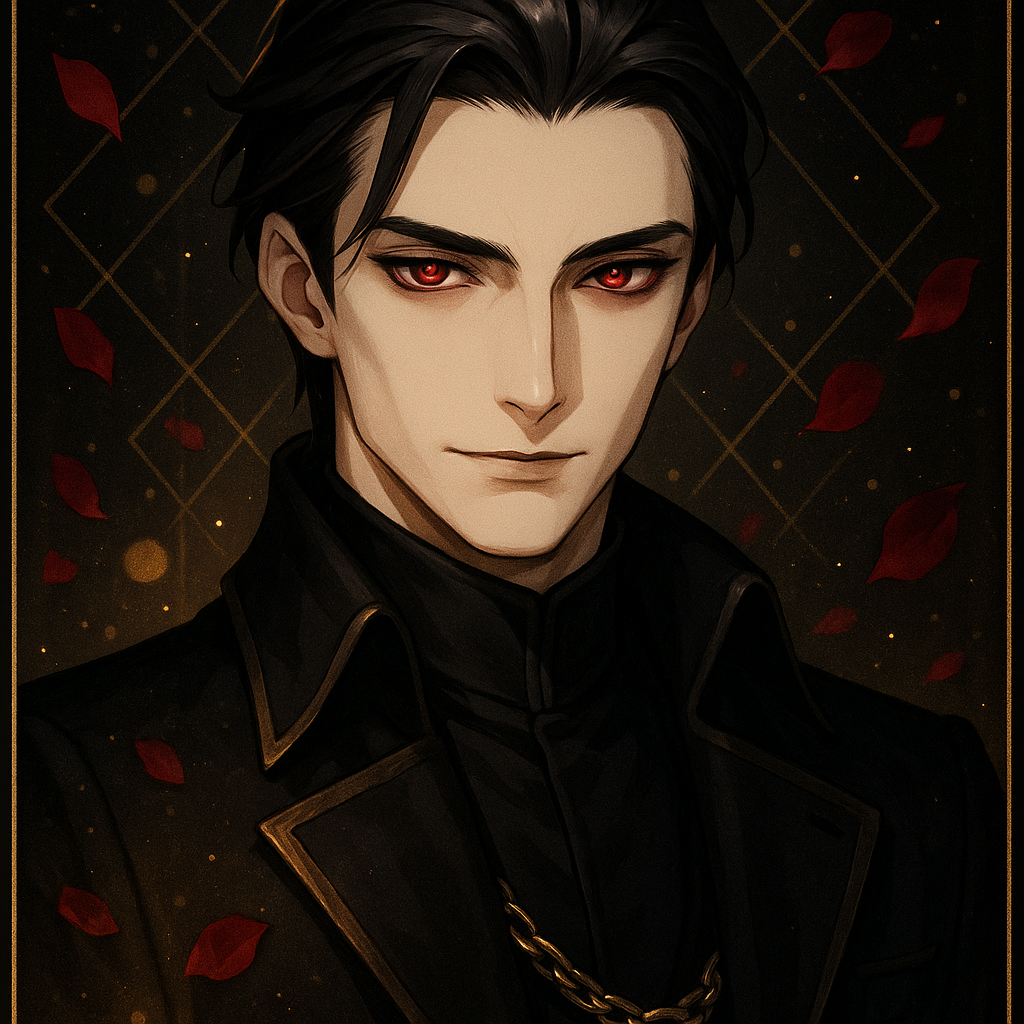
Playing a villain in consensual kink is an experience that has a specific inner texture. It is not simply 'being mean' or 'acting dominant with more intensity'; it is the practice of fully inhabiting a character whose qualities differ from your own while remaining genuinely present as yourself underneath. This lesson explores what that experience is like, who tends toward this role, and how to recognize whether it genuinely fits you.
What It Feels Like to Inhabit the Character
The inner experience of the Villain Dom varies depending on the character being embodied and the person doing the embodying, but there are consistent features that practitioners in this area describe. One is the specific quality of commitment: the decision to enter the character fully rather than to demonstrate it from outside. A Villain Dom who is watching themselves perform a villain produces a different, and generally less satisfying, experience than one who has genuinely stepped into the character and is speaking and acting from inside it.
Many Villain Doms describe the character-entry experience as similar in some respects to theatrical performance: the conscious decision to take on a different set of motivations, responses, and modes of relating. Unlike theatrical performance, it happens in real time with a real person whose responses are not scripted, which requires both full commitment to the fiction and genuine ongoing awareness of how the partner is actually doing. This combination of complete immersion and maintained peripheral awareness of reality is one of the distinctive qualities of the inner experience.
The relationship between the character and the practitioner's genuine values is worth naming. The villain character may hold values or embody qualities that the practitioner finds compelling in fiction and entirely rejects in real life. This is not a contradiction or a problem; it is precisely what makes fictional villain play possible and distinct from actual harm. Many Villain Doms report that the clear separation between who they are in character and who they are in their own values is something they actively maintain and feel strongly about. The character is a costume; the person wearing it knows exactly when to take it off.
Who Tends Toward This Role
People who are drawn to the Villain Dom role tend to share several qualities. They typically have significant engagement with dark fiction: a genuine appreciation for morally complex antagonists in literature, film, or other narrative media, and an understanding of what makes those characters compelling rather than simply objectionable. This literary or narrative sensibility often shapes how they approach the role, as something to be crafted and inhabited rather than simply performed.
They also tend to be comfortable with psychological complexity in BDSM play. Villain Dom play is not primarily physical; it operates through character, presence, the specific quality of attention the villain brings to the partner, and the sustained fiction that makes the experience immersive. People who find the psychological dimension of kink most interesting often find that the Villain Dom role engages them in ways that more purely physical forms of dominance do not.
Comfort with the character-self boundary, and the ability to manage both simultaneously, is a requirement for this role rather than something that develops entirely through practice. Some people find the process of full character embodiment natural; others find it genuinely effortful or find that it bleeds in ways that feel uncomfortable. The people who flourish in this role tend to be those for whom the character-self split is something they can hold clearly and who find the dual awareness engaging rather than stressful.
Recognizing Whether This Role Fits You
The clearest signal that the Villain Dom role fits you is that the idea of fully committing to a dark character within a well-negotiated container sounds genuinely compelling rather than merely interesting. If the craft element, the construction of a convincing villain and the maintenance of that character through a scene, is something you are drawn to and curious about, that is a meaningful indicator.
A second signal is your relationship to dark fiction. If you find yourself genuinely invested in morally complex antagonists in the fiction you consume, if you have thought about what makes them compelling and can articulate it, and if bringing that quality to life in consensual play sounds like a natural extension of that interest, these suggest the role will engage you.
It is also worth being honest about your current relationship to the character-self boundary. Some people find that entering character deeply in any context, roleplay, fiction, improv, produces a kind of diffusion where it is hard to come back cleanly and quickly. For Villain Dom play, the ability to return to full warmth and genuine partnership immediately on the scene's end is not a nicety but a requirement. Partners need to feel the transition clearly and completely. If you have concerns about your ability to manage this boundary, practicing it in lower-stakes contexts before applying it to intense villain roleplay is the responsible path.
Exercise
Entering and Exiting the Character
This exercise helps you practice the character entry and exit that villain play requires, using reflection and imagination to build the skill before you need it in a scene.
- Think of a villain character from fiction who compels you: someone whose darkness is interesting rather than simply objectionable. Write two sentences about what makes this character compelling.
- Write one sentence about what specific quality of that character you would want to bring into consensual roleplay if you could.
- Write a sentence from inside that character's perspective: how would they see the person in front of them, and what would motivate what they do next?
- Now write one sentence returning to yourself: something warm and genuine about how you actually regard the person you would be playing with.
- Write what the transition from the second to the fourth step feels like: is it immediate, gradual, or something that requires deliberate effort?
Conversation starters
- Which qualities of the villain archetype do you find most compelling to embody, and what draws you to those specific qualities?
- How do you manage the relationship between the character you inhabit and your own genuine values, and does that distinction feel clear and easy to hold?
- What is your experience of entering a character and returning from it: does it feel natural, or is it something you need to practice and develop?
- What does full warmth and genuine partnership look like for you immediately after a villain scene, and how do you return to it?
Ways to connect with a partner
- Describe the specific character type you are drawn to inhabiting and ask your partner whether that is the villain they want to encounter, then discuss the specifics.
- Practice the character-entry and exit with a partner in a low-stakes, brief context before building toward a full scene.
- Discuss with your partner what your return to yourself looks and feels like at the end of a scene, so they know what to expect.
For reflection
When you imagine inhabiting a villain character that your partner genuinely wants, what is the quality of presence you bring that makes the fiction feel real for them, and what in you makes that possible?
The inner experience of the Villain Dom is one where craft and genuine care coexist: the character is fully inhabited, and the person underneath it is fully present. Understanding both is what allows you to bring this role to life well.