
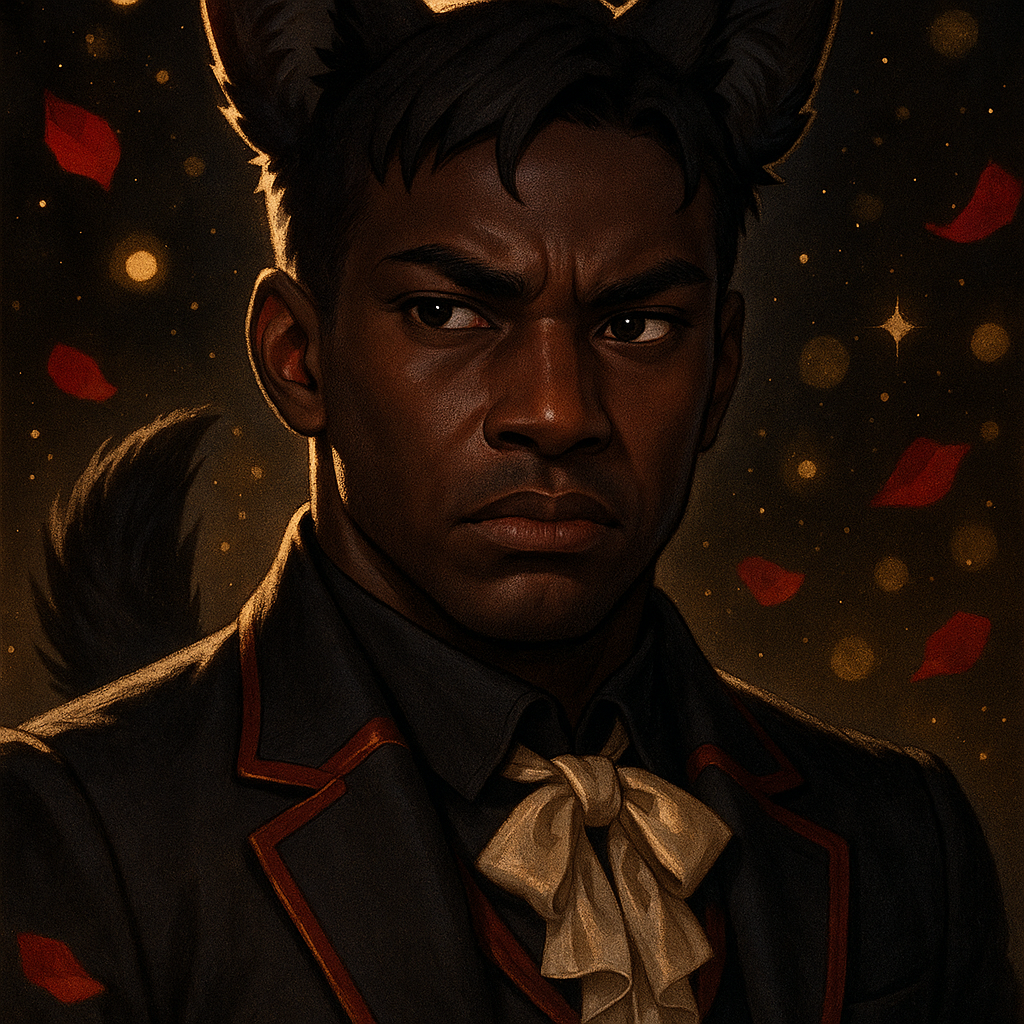
A guard dog dynamic sustained over time develops a quality of trust and calibration that is only available through accumulated experience. Understanding the common pitfalls, the specific aftercare the dynamic requires, and the longer arc of the identity helps both parties build something genuinely lasting.
Common pitfalls
The most common pitfall in guard dog dynamics is the failure to develop the at-ease dimension with the same intentionality as the on-duty dimension. Guard dogs whose protective instinct is strong and genuine can find the on-duty state deeply natural and the at-ease state more effortful, and dynamics that do not address this disparity tend to produce guard dogs who are chronically somewhat on duty, without adequate rest and recovery even within the dynamic. This is neither sustainable nor fully inhabiting the identity, which requires both states to be real.
A closely related pitfall is handlers who neglect to use the at-ease signal reliably. When the at-ease signal is used inconsistently, or only when the handler remembers it, the guard dog learns that they cannot fully rely on it, which means they can never fully stand down. Handlers who understand that their consistent, reliable use of the at-ease signal is a form of care they provide to their dog tend to use it much more deliberately, and their dogs' capacity for genuine rest in the dynamic increases accordingly.
A third pitfall is when the guard dog's protective instinct is engaged in community contexts without adequate prior negotiation. A guard dog who interposes themselves between their handler and another person at an event, without that behavior being negotiated, understood by everyone involved, and clearly consented to, creates situations that can be alarming or offensive to people who did not agree to be interacted with in that way. Guard dogs who are careful about the boundaries between their persona's appropriate expression and the consent rights of people not in their dynamic avoid this pitfall by taking the negotiation stage seriously.
Aftercare for the guard dog dynamic
Aftercare for the guard dog is specific to the particular demands of the persona. The on-duty state involves sustained alertness and physical readiness that is genuinely depleting, and guard dogs who exit a session without adequate recovery time and physical care can feel flat, overstimulated, or emotionally unavailable in the hours that follow. Handlers who understand this build aftercare that specifically addresses the recovery from sustained vigilance rather than simply returning to ordinary social interaction.
Physical aftercare for guard dogs typically includes warmth, comfortable and supported physical positions, and quiet. The body has been holding an alert posture and wide attentional field during the session; aftercare that allows it to genuinely release that holding is specific and important. Handlers who provide physical grounding, a firm and warm touch rather than light social contact, tend to support this recovery more effectively.
The emotional aftercare dimension is also important. Guard dogs who have been in the at-ease state during the session may have experienced a degree of vulnerability and tenderness that deserves acknowledgment as they return to ordinary relational presence. Handlers who name specifically what they saw in those moments, who confirm that the tenderness was received and valued, give their dog the emotional completion the session needs.
The longer view
A guard dog dynamic that has run for months and years develops a specific quality of calibrated trust that cannot be hurried. The handler who has been reliably consistent with their signals, who has never sent the at-ease signal in a situation that was not actually safe, who has received the dog's protective attention with genuine appreciation, has built the kind of trustworthiness that allows the guard dog to be fully, completely on duty when needed and fully, completely at rest when permitted. This quality of mutual calibration is the dynamic at its best, and it takes time to develop.
Guard dogs also grow in their capacity to distinguish their genuine protective read of a situation from the role's orientation toward alertness. The most skilled guard dogs are those who have developed the discernment to recognize when something is a genuine concern versus when they are running at high vigilance because the persona inclines them toward it. This discernment, developed through practice and through honest conversation with handlers who take the dog's assessments seriously and also offer their own perspective, is one of the most significant forms of growth available in the dynamic.
Engagement with the broader working dog culture, the books, documentaries, and community discussions about the psychology and training of working dogs, continues to be a resource for guard dogs who want to deepen their understanding of what they are doing and why it resonates. The Leather tradition's emphasis on earned authority and the responsibility of dominance also speaks directly to the guard dog's handler relationship, and guard dogs and handlers who engage with that tradition often find that their dynamic acquires additional depth and vocabulary.
Exercise
Dynamic review for guard dog and handler
This exercise structures the reflective conversation that keeps a guard dog dynamic developing rather than stagnating.
- Each party writes separately: one thing in the dynamic that is working well and feels genuine, one thing that feels less fully realized than hoped, and one question they have been sitting with about the dynamic.
- Share those reflections, with the guard dog going first. Listen without immediately responding; give each other's words time to land.
- Together, identify one specific thing the handler will do differently based on what they have heard, and one specific thing the guard dog will practice or develop.
- Review the at-ease practice specifically: is it producing genuine rest? Is the signal being used consistently? What adjustment would make it more effective?
- Close the review by each naming one thing they appreciate about the other's presence in this dynamic, so that the conversation ends in genuine acknowledgment.
Conversation starters
- What has surprised you about how the guard dog dynamic feels in practice, compared to what you expected it to feel like?
- Where is the at-ease practice weakest in your dynamic, and what is the specific change that would make it stronger?
- What has your guard dog's protective attention given you that you did not fully anticipate when you began the dynamic?
- What would sustained growth in this dynamic look like over the next year, for both of you?
Ways to connect with a partner
- Revisit your negotiation document after three months of practice and update it based on what you have actually learned about how the dynamic works between you.
- Plan a session that is specifically dedicated to the at-ease dimension, with no on-duty content, and reflect afterward on what that focused attention to the rest dimension revealed.
- Create a shared acknowledgment of what you have built in the dynamic: a specific gesture, phrase, or ritual that belongs only to your relationship and honors what it is.
For reflection
What does it mean to you to be both the most capable and the most vulnerable version of yourself in the same relationship, and what does the guard dog persona give those two dimensions?
The guard dog dynamic at its most developed is one of the most particular and sustaining in pet play: a bond built on fierce devotion, genuine trust, and the specific intimacy of being the one person whose protection and tenderness are given completely. Building it well is worth taking the time to do right.