
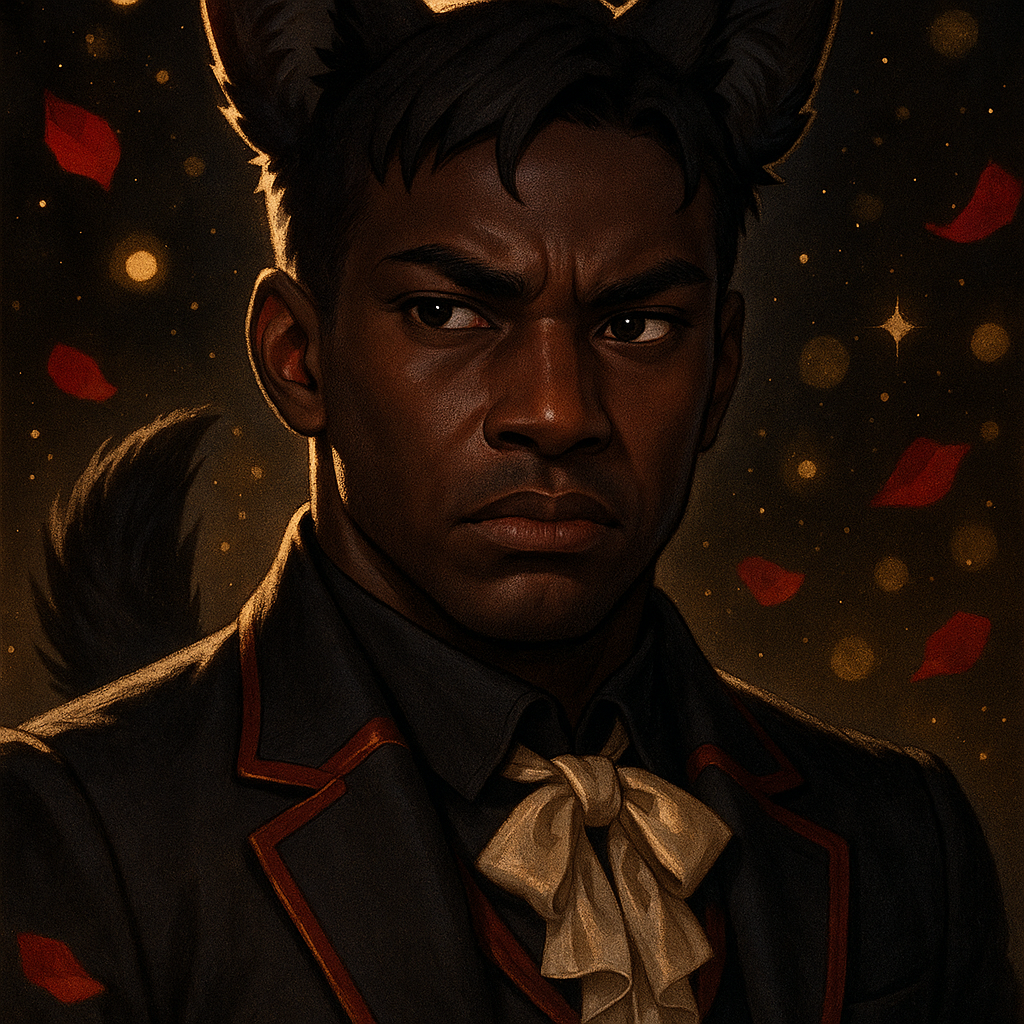
The guard dog is one of pet play's most distinctive and serious personas. Where many dog play identities are playful, exuberant, and oriented toward affection, the guard dog is purposeful, watchful, and oriented toward protection. Understanding what this identity is requires understanding what makes it different.
Protection as love
The guard dog is a dog persona whose primary orientation is not toward playful compliance or enthusiastic affection for everyone in the room, but toward the protection of their specific handler. The guard dog is loyal, alert, and capable of a quality of fierce, targeted intensity that most pet play identities do not access. With their handler, they are devoted and tender. With everyone else, they are evaluating and watchful.
This combination, fierceness toward the world and tenderness toward one specific person, is the defining characteristic of the identity. The guard dog's submission to their handler is real and deep, but it expresses itself as fierce devotion rather than eager compliance for its own sake. The dog obeys because they have chosen their handler completely, and that choice is expressed through protection as much as through deference.
The tenderness that guard dogs offer their handlers is among the most intimate dimensions of the dynamic precisely because it is selective. A guard dog who is warm with everyone has not given their handler anything specific. A guard dog who is watchful and somewhat reserved with the world and then gives their handler the private softness that is given to no one else has offered something of genuine weight. Handlers who receive that tenderness understand what they have been given.
How the guard dog differs from other dog play identities
Puppy play is the most familiar dog play identity, and the guard dog is distinct from it in almost every dimension. Where the puppy is typically playful, affectionate with many people, eager to please in an exuberant and social way, and oriented toward fun and connection, the guard dog is purposeful and serious, selective in who receives their warmth, oriented toward a specific person rather than toward social engagement generally, and carrying a quality of intensity that is quite different from playful energy.
The guard dog dynamic also has a different relationship with the submission dimension of pet play. The puppy submits through enthusiastic, happy compliance. The guard dog submits through fierce, chosen devotion, through the decision to direct their considerable capacity for alertness and protective instinct entirely toward one person's service. This is submission, but it has a specific gravity and seriousness that the puppy dynamic does not typically carry.
The guard dog's relationship with the community context of pet play events also differs. Where puppies often engage socially and warmly with other pets and handlers at community events, the guard dog may be more reserved, more attentive to the space and the people in it, and specifically oriented toward their handler's wellbeing within the social context. This requires specific negotiation about how those behaviors will be managed at events.
The psychological resonance of the protector drive
The guard dog identity has significant psychological resonance for people who feel an instinctive protector drive in their ordinary lives. People who naturally scan rooms, who notice exits and potential problems before anyone else, who position themselves thoughtfully in social spaces and feel a strong instinct toward the safety of those they love, often find the guard dog persona surprisingly accurate as a description of something that was already there.
The persona gives that orientation a specific, consensual, playful frame that honors what it is without requiring it to be constantly activated in real social situations. This is one of the reasons some guard dog practitioners describe the identity as genuinely therapeutic in its orientation: the persona gives the protector drive a proper context and a handler who actively receives it, rather than leaving it without a clear form or object in everyday life.
Some guard dog practitioners are aware that hypervigilance, the heightened alertness that is a trauma response pattern, has some overlap with the guard dog's quality of watchfulness. The persona can function as a way of honoring that part of oneself within a chosen, safe, relational context rather than being ruled by it outside of one. This is a real and meaningful use of pet play as a framework, and it is worth naming, though it is not universal to the identity.
Exercise
Recognizing the protector drive
This exercise invites you to examine whether the guard dog's defining characteristic, the instinctive protector orientation, describes something that is already present in your experience.
- Recall a specific recent situation in which you were in a new or public space with someone you care about. Write down what you noticed about the space and the people in it before your companion did.
- Write two or three sentences about whether you tend to position yourself physically in ways that place you between people you care about and the room at large.
- Consider a close relationship in which you experience strong protective instincts. Write about what those instincts feel like from the inside, and whether they feel like burden, calling, or some combination.
- Notice whether the guard dog's core dynamic, fierce with everyone, tender with one, describes something that already exists in how you relate to the people closest to you.
Conversation starters
- What specifically about the guard dog persona resonates with you, and how does that connect to patterns you recognize in your ordinary life?
- How do you experience the combination of protective fierceness and private tenderness, and is that combination something you already inhabit in some form?
- What is the difference, for you, between the guard dog's watchfulness and anxiety, and how would you describe that difference to someone who does not share it?
- What does submission look like when it is expressed as fierce devotion rather than eager compliance, and which of those registers feels more natural to you?
Ways to connect with a partner
- Ask your handler to describe what they notice about how you move through spaces with them in ordinary life, before any formal pet play context.
- Discuss what 'protection' specifically means in your dynamic: what behaviors does it include, what are its limits, and how does the handler signal when they need the guard dog's watchfulness versus when they need the dog's private tenderness?
- Look at images and descriptions of working dog culture, German Shepherds, Belgian Malinois, police and military dog partnerships, and discuss which elements resonate with your guard dog persona.
For reflection
What would it mean to have a context in which the watchful, protective part of who you are was not something to be managed but something that was specifically valued and actively received by someone you have chosen?
The guard dog persona begins with recognizing that the protector drive is not a problem but a specific form of devotion. Understanding what the identity is makes it possible to inhabit it fully and bring it into your dynamic with care.