
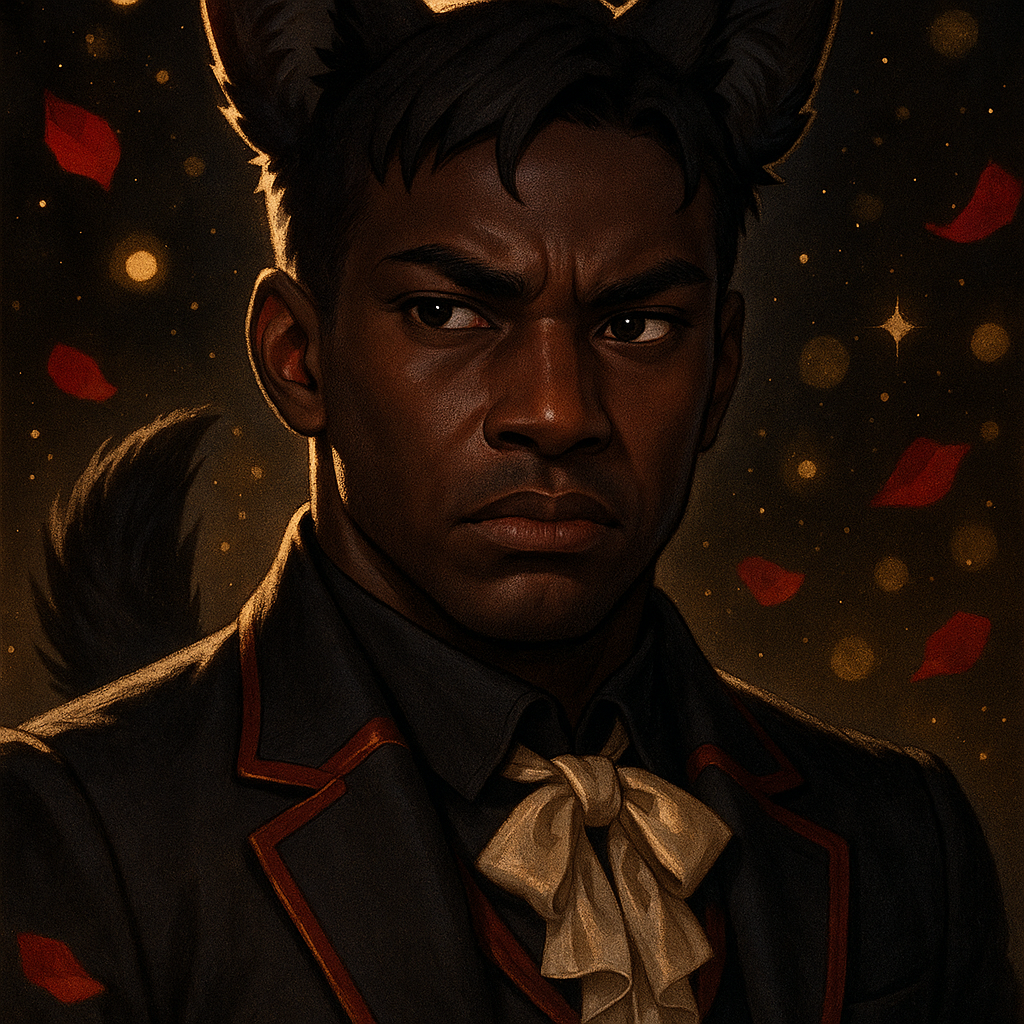
The guard dog dynamic requires more explicit negotiation in some areas than other pet play identities, because the protection behaviors that define it have direct implications for community contexts, other people, and the management of the dog's protective instincts in practice.
Introducing the guard dog identity
When introducing the guard dog persona to a potential handler, the most useful approach is to be specific about the character of the identity rather than relying on the general idea of a protective dog. Many people who hear 'guard dog' imagine something aggressive or difficult to manage. What you are describing is something quite different: an identity built on fierce devotion and chosen loyalty, with private tenderness as its most intimate expression.
Explaining the on-duty and at-ease structure is particularly important at the introduction stage. A potential handler who understands that the guard dog is responsive to their signals about when vigilance is needed and when rest is appropriate, and who grasps that managing that signal is part of their role, will have a much more accurate picture of what the dynamic asks of them. This is also a useful filter: handlers who are uncomfortable with the responsibility of managing the dog's vigilance level are not the right fit for this dynamic.
The working dog aesthetic, the specific cultural references that the guard dog identity draws from, is worth sharing too. Books, documentaries, and imagery from police dog, military working dog, and Schutzhund culture give a potential handler a concrete and specific picture of what the identity is orienting toward, which is more useful than a general description of a protective dog.
Negotiating the protection behaviors
The negotiation for a guard dog dynamic needs to cover specifically what protection means within the play context, because the behaviors involved have direct implications for other people and for community events. A guard dog who physically interposes themselves between their handler and another person at a community event, without that behavior being negotiated and understood by everyone involved, creates a situation that could be genuinely disruptive or alarming. These behaviors need to be explicitly agreed upon, and the contexts in which they are appropriate need to be clearly defined.
The on-duty and at-ease signals are a negotiation topic in themselves. Both parties need to agree on specific, unambiguous signals that will be used consistently. The on-duty signal puts the dog into alert mode; the at-ease signal gives them explicit permission to relax and receive affection. These signals need to be distinct from ordinary communication and recognizable even in contexts where the handler cannot speak directly to the dog without drawing attention.
Scenario-specific negotiation is also important if roleplay scenarios involving protective response are planned. A threat-response scenario where the guard dog's protectiveness is specifically engaged within a negotiated context requires clear setup: what will trigger the protective response, what the response will look like, what the resolution is, and how both parties will know the scenario has concluded and the dog can stand down.
What both parties need to say
Guard dogs often need to say explicitly what their protective instinct actually is: not aggression, not difficulty, but a genuine form of devotion that needs a handler who will receive it properly. Handlers who dismiss or minimize the protection dimension, who find the dog's vigilance inconvenient or excessive, are misaligned with this identity. Saying clearly that you are looking for a handler who values and uses your protective capacity, rather than one who tolerates it, is important information.
Handlers need to be honest about their comfort with the responsibility of managing the guard dog's vigilance level. The at-ease signal is not a small thing; it is the primary tool the handler has for ensuring the dog gets genuine recovery within the dynamic. Handlers who are inconsistent with it, who forget to signal at ease or who use it too casually, create guard dogs who cannot fully stand down and who become chronically over-extended in the protector role. This is worth discussing honestly before the dynamic begins.
Both parties benefit from discussing what happens when the guard dog reads a situation as requiring protective response and the handler's assessment differs. Agreeing on a channel for the dog to express concern without breaking the dynamic, and on how the handler will respond to that channel, ensures that the dog's genuine read of a situation is neither ignored nor acted on unilaterally.
Exercise
Building your negotiation map
This exercise produces the specific negotiation document you need before beginning a guard dog dynamic.
- Write out the specific protection behaviors you want to include: what they are, what they look like, and what contexts they are appropriate in.
- Design your on-duty and at-ease signals: specific, unambiguous, and usable in contexts where you cannot speak freely. Write them down and test that they are distinct from ordinary communication.
- Describe what happens when you read a situation as requiring protective response and your handler disagrees: what channel will you use to express your concern, and how will the handler respond?
- Write a paragraph about what you need your handler to understand about your protection instinct: what it is, what it is not, and what you are hoping they will do with it.
- Share this document with your potential handler and invite them to respond with their own parallel document describing what they can offer and what questions they have.
Conversation starters
- What does protection mean in your specific dynamic, and what behaviors does it include that you need to negotiate explicitly before beginning?
- What do you need your handler to understand about the character of your protective instinct so they receive it correctly rather than misreading it?
- How will you navigate a situation where your read of a threat differs from your handler's, and what does the dynamic need from both of you in that moment?
- What does your handler need to provide for you in terms of at-ease signals, and how will you know if they are providing them consistently enough?
Ways to connect with a partner
- Practice your on-duty and at-ease signals in a low-stakes context before using them in a full session, and confirm that both parties understand them unambiguously.
- Walk through a hypothetical community event attendance together, discussing what the guard dog behaviors will look like in that context and what both parties need to navigate it well.
- Agree on how you will debrief after any situation in which the guard dog's protective instinct was activated in a way that either party wants to discuss.
For reflection
What would it mean to find a handler who specifically values your protectiveness and builds the dynamic around receiving it, rather than one who tolerates it as an incidental feature of the dog play form?
The negotiation conversations for a guard dog dynamic are a direct expression of the care and seriousness the identity asks for. Having them thoroughly ensures that both parties enter the dynamic with the shared understanding it requires.