
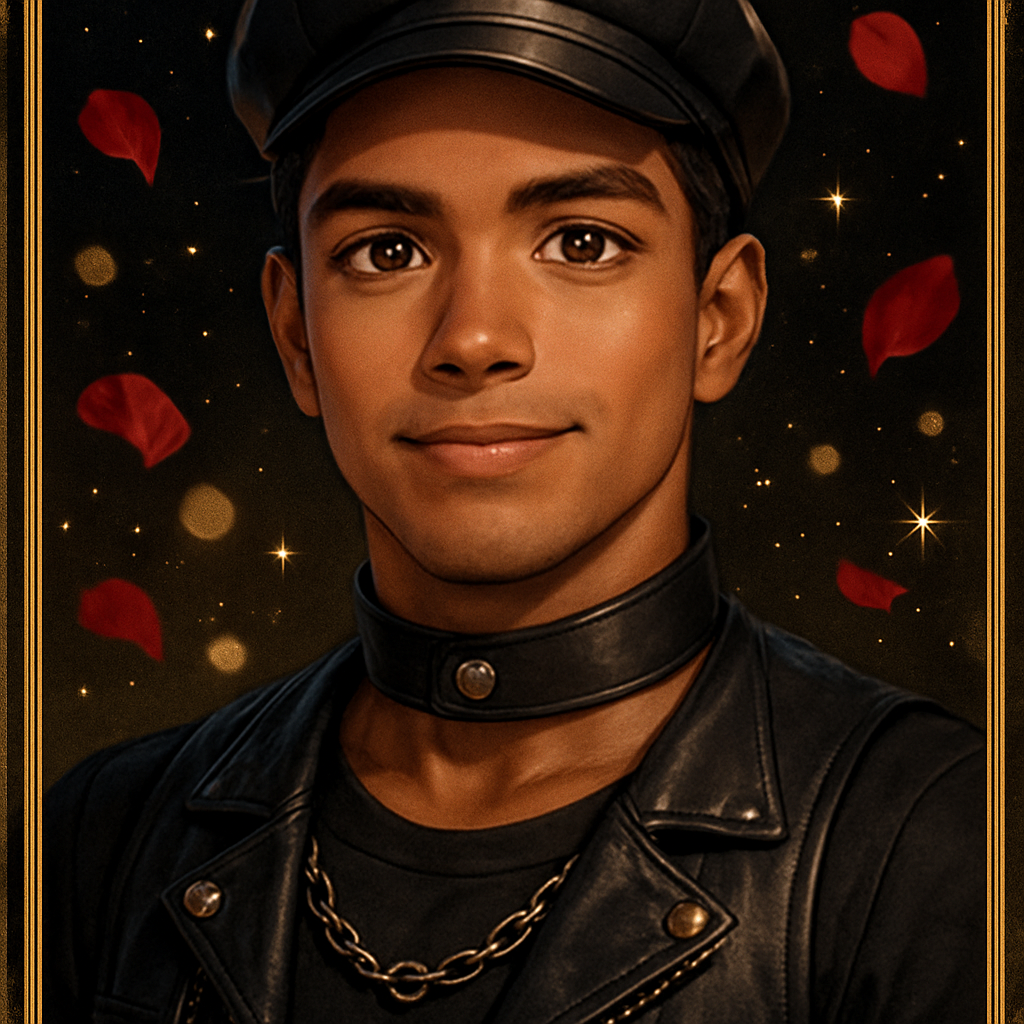
Sustaining and deepening a leather boy or girl identity over time requires honest engagement with the specific challenges this role presents, genuine attention to aftercare and the drops that can follow intense practice, and the particular form of growth that the apprenticeship model makes possible: developing a considered perspective within the tradition rather than only receiving it. This final lesson focuses on the longer arc of leather boy and girl practice.
Common Pitfalls in the Long Term
The most common difficulty in long-term leather boy and girl practice is the gradual loss of genuine developmental momentum. The apprenticeship quality of the role, the sense that one is actively growing rather than statically serving, requires ongoing investment in learning and community engagement. When that investment plateaus, often because the initial enthusiasm of a new dynamic has settled into comfortable habit, the identity can quietly hollow out. The leather boy or girl who notices this and reintroduces genuine developmental intention into their practice tends to find that the identity recovers its vitality.
Another common challenge is the relationship between deference and self. The leather boy and girl identity asks for genuine deference, and this is genuinely valuable. But taken too far, or sustained without the ballast of genuine self-knowledge and self-respect, deference can become a way of avoiding the development of one's own considered perspective on the tradition. The healthiest leather boy and girl practitioners are those who maintain genuine deference within their dynamics while also developing their own thoughtful voice about the practice and the community they belong to.
Finally, the mentorship relationship that is central to this identity carries specific risks. An imbalanced mentorship, one in which the top or Sir is offering too little teaching or is using the dynamic primarily to meet their own needs, is a situation that the leather boy or girl deserves to recognize and address. The community expectation is that mentorship relationships genuinely develop the leather boy or girl; relationships that fail to do this are not honoring what the tradition expects of the mentoring role.
Aftercare and Drop in Leather Practice
Sub drop can follow intense leather scenes, extended protocol, or deeply emotionally engaged service in ways that require genuine aftercare. The leather boy or girl who has established a clear aftercare plan, communicated their specific needs before intense practice, and built genuine community and personal support for the drops that may follow, is much better positioned to navigate these experiences than one who approaches aftercare as an afterthought.
Effective aftercare for leather boys and girls includes knowing what you personally need after different types of intensity: physical comfort and closeness, verbal reassurance, food and warmth, time and space, connection with trusted friends, or some combination of these. Communicating these needs specifically in pre-scene negotiation rather than hoping they will be intuited is part of the practitioner's responsibility for their own wellbeing.
The days after intense scenes or periods of sustained service can also bring a more gradual processing that benefits from reflection and support. Leather boys and girls who have relationships with mentors, community members, or trusted peers who understand the tradition can process their experiences in ways that are genuinely useful. Building this support network is itself part of the community investment that the identity requires, and it serves the practitioner's long-term sustainability in ways that purely private reflection does not.
Finding Your Voice Within the Tradition
The most significant growth available to a leather boy or girl over time is the development of their own considered perspective on the tradition they inhabit. This is what the healthiest mentorship relationships are moving toward: not perpetual apprenticeship, but the gradual development of a practitioner who has their own genuine relationship to the leather tradition and their own thoughtful voice about its ethics, practices, and ongoing evolution.
Developing this voice does not mean rebelling against the tradition or against mentors; it means engaging with the tradition's ongoing debates from a position of genuine knowledge and genuine investment. The leather community is a debating community, and leather boys and girls who develop the capacity to participate in those debates thoughtfully are contributing to the tradition's continuity in the most important way.
This development is also what the tradition's continuity most requires. The leather boy or girl who is well mentored and who develops their own genuine relationship to the tradition becomes, over time, someone from whom others can learn. The process of developing that capacity, from devoted apprentice to practitioner with their own voice, is the full arc of the leather boy and girl identity at its most realized.
- Reintroduce developmental momentum. If your practice has plateaued, identify one specific area of skill, knowledge, or community engagement where genuine new development would be most valuable, and pursue it actively.
- Assess the mentorship relationship honestly. Consider whether your current dynamic is genuinely developing your skills and knowledge in the ways you hoped, and raise concerns honestly if there are gaps.
- Develop your considered perspective. Engage actively with the leather community's ethical debates and form your own views, rather than only inheriting the views of your mentors.
- Build your support network. Develop relationships with community members beyond your top or Sir who can provide support, perspective, and genuine feedback on your practice.
Exercise
The Voice and Vision Reflection
Stepping back to assess both where you are and who you are becoming in your leather boy or girl practice allows you to develop with intention rather than only by accumulation.
- Write about where you were when you first understood this identity as yours, where you are now, and where you want to be in three years. Be specific about what 'where you want to be' means in terms of skill, community standing, knowledge, and the quality of your own voice within the tradition.
- Identify the most significant moment of growth in your leather boy or girl practice so far. What made it significant, and what did it change?
- Assess your current dynamic honestly: is the mentorship dimension genuinely developing you, and are you bringing your own developmental direction to the relationship or only responding to the top's or Sir's agenda?
- Write about your own considered perspective on one aspect of the leather tradition where you have a genuine view that is yours rather than inherited. It could be about ethics, community structure, protocol, or any dimension of the practice.
- Write what you want to contribute to the leather community's continuity as your practice deepens, whether through mentoring others, community leadership, or simply the quality of your practice and presence.
Conversation starters
- What is the most significant shift in how you understand your leather boy or girl identity between when you first claimed it and now?
- How do you maintain genuine developmental momentum in a long-term dynamic, and what do you do when it starts to plateau?
- What is the considered perspective you have developed on some aspect of the leather tradition that feels genuinely yours rather than inherited?
- How has your mentorship relationship developed over time, and what do you understand about what genuinely good mentorship looks like?
- What do you want to contribute to the leather community that you are not contributing yet, and what would need to be true for you to be able to offer it?
Ways to connect with a partner
- Have a direct conversation with your top or Sir about the developmental dimension of the dynamic: whether it is serving your growth well, what you need more of, and what the trajectory looks like from their perspective.
- Share with your partner the considered perspective you have developed on some aspect of leather practice, and invite their genuine response rather than only validation.
- Discuss together whether your aftercare practice is actually meeting your needs after intense scenes, and make specific adjustments if there are gaps.
- Identify together what the next significant stage of your development as a leather boy or girl looks like, and discuss what both of you will do to support that development.
For reflection
What is the voice you are developing within the leather tradition, and what would it mean for the community to hear that voice and recognize it as genuinely earned?
The leather boy and girl identity is one that grows toward something: through devoted service and genuine learning, through community belonging and honest development, the practitioner who inhabits it well arrives, over time, at a practice that is genuinely and recognizably their own.