
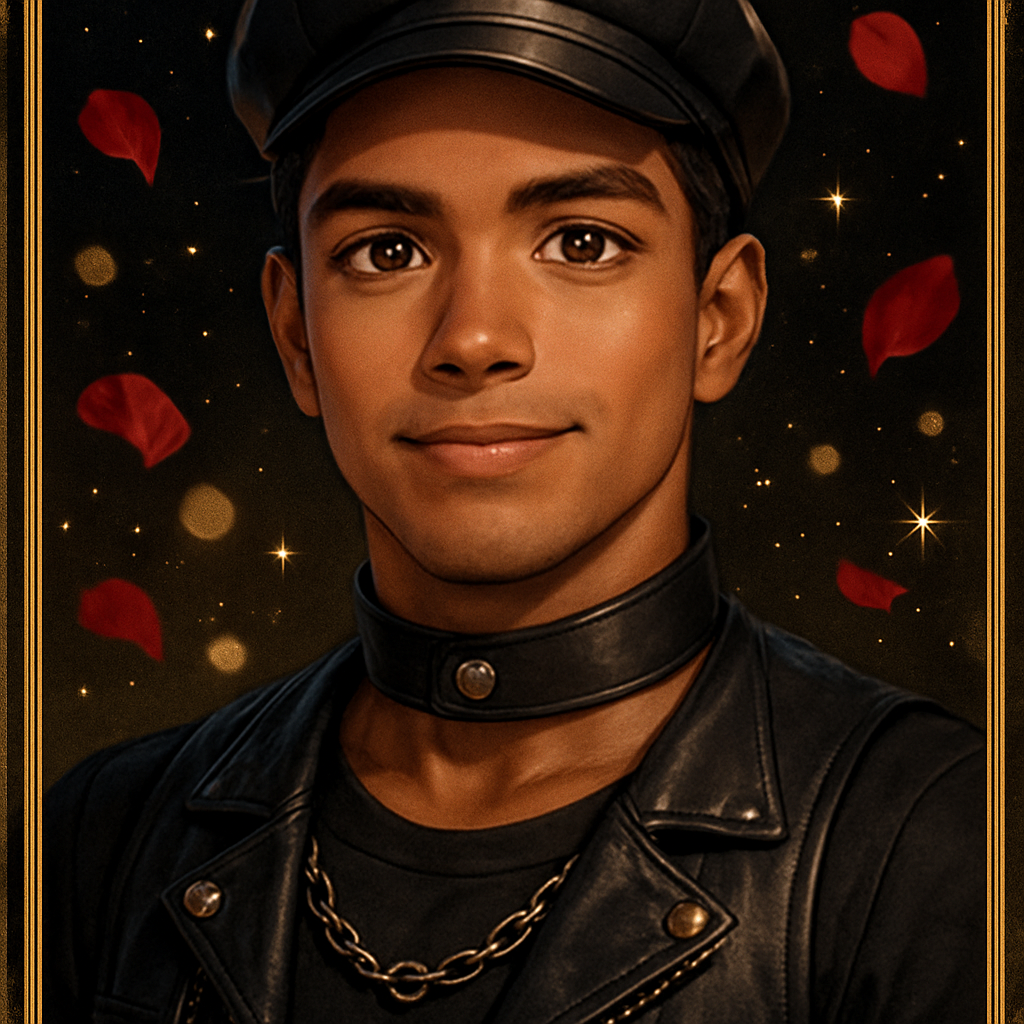
The leather boy and girl identity becomes concrete through specific practices: service rituals that give the dynamic its texture, protocols that make the power exchange visible, and community activities that embed the practice in its broader tradition. This lesson covers the practical landscape of leather boy and girl practice and offers realistic first steps for practitioners at different stages.
Service Rituals and Their Function
Rituals in leather boy and girl practice serve a specific function: they mark service as intentional, ceremonial, and distinct from ordinary action. When caring for a top's leather is treated as a ritual practice, with attention to the specific steps, the quality of the materials used, and the significance of what the gear represents, the service carries a different weight than when it is performed as a task. This ceremonial dimension is part of what distinguishes leather service from household service, and it is worth developing with genuine attention.
Common service rituals in leather boy and girl practice include the care of the top's or Sir's gear, which may involve specific sequences of cleaning and conditioning, specific products, and a quality of attention that treats the leather as significant rather than merely functional. Scene preparation rituals, where the leather boy or girl prepares the physical environment and equipment for a scene, are another common form. Daily check-in or report rituals, where the leather boy or girl formally reports to their Sir using specific address and structure, can sustain the texture of the dynamic between more elaborate scenes.
The most meaningful rituals are those that both people find genuinely significant rather than those that most closely imitate Old Guard models. Finding the specific service practices that carry real meaning in your dynamic, and treating those with the deliberateness and attentiveness that ritual requires, is more valuable than performing elaborate ritual for its own sake.
Protocol in Practice
Protocol for leather boys and girls includes the specific behavioral expectations that govern their interactions with their top or Sir: forms of address, physical positions, behavioral rules within and around scenes, and the expectations that extend into daily life. The specific protocols of any given dynamic are established through negotiation and developed through practice, and they should genuinely serve the dynamic rather than simply perform adherence to tradition.
For those developing their first formal protocols, starting simply tends to work better than starting elaborately. A single consistent form of address, one physical position that is used at the beginning of scenes, and one specific behavioral expectation outside of scenes gives both people something concrete to practice and evaluate before adding complexity. Protocols that are simple enough to be consistently executed are more valuable than complex systems that are inconsistently maintained.
The maintenance of protocol through daily life, outside of formal scenes, is one of the distinctive features of leather dynamics and one of the things that distinguishes them from scene-only power exchange. The leather boy or girl who uses formal address in daily communication, who maintains specific behaviors outside of scenes, and who treats the protocol as a continuous practice rather than a scene accessory is engaging with the dynamic at a level of integration that most other BDSM practices do not require. Whether this level of integration fits your specific dynamic is something both people need to genuinely agree on.
Community Entry Points
For those who are newer to leather community, the most important first steps are those that connect practice to community. The leather boy and girl identity specifically requires community embeddedness, and developing it in isolation from community misses one of the identity's most significant dimensions. Beginning community engagement before feeling fully ready is better than waiting; genuine curiosity and respectful presence are the entry requirements, not established standing.
Specific community entry points for leather boys and girls include: attending a leather community event in your area and showing up as someone who is there to learn and contribute rather than only to be seen; connecting with a leather organization's educational program or volunteer opportunities; building genuine relationships with established community members over time through consistent presence rather than single impressive interactions; and engaging honestly with the tradition's documented history through the texts and archives that are available.
The leather boy and girl who volunteers for community work, who shows up consistently rather than only for the most exciting events, and who invests in relationships over time, builds a community standing that is genuinely earned. This standing, and the access to mentorship and accumulated wisdom it provides, is one of the most significant gifts the leather tradition offers to those who genuinely engage with it.
- Establish one service ritual. Choose one specific service that is central to your dynamic, negotiate how it will be performed, and practice it with genuine attentiveness until it has the quality of real care rather than task completion.
- Learn gear care. Develop genuine skill in caring for leather: research the correct cleaning and conditioning methods, acquire the appropriate products, and practice on your own gear before caring for your dominant's.
- Attend a leather community event. Show up in person at a leather bar night, a leather run, or a community educational event with the intention of contributing and learning rather than only participating.
- Introduce one daily protocol. Negotiate one specific protocol that extends into daily life outside of scenes, practice it consistently for a month, and evaluate honestly whether it serves the dynamic.
Exercise
Design a Service Practice
Designing a specific service practice with genuine care for what it is for and how it will be performed is the difference between service as craft and service as compliance.
- Choose one area of service that is central to your leather boy or girl identity: gear care, scene preparation, a daily check-in, or another service that genuinely matters in your dynamic. Describe specifically what this service consists of.
- Write out how you will perform this service: the specific steps, the quality of attention you will bring, the materials or preparation involved, and what you will use to assess whether you have performed it well.
- Write about the ceremonial or ritual dimension of this service, if any: does it have a defined beginning and end, are there specific gestures or words that mark it, and how does it connect to the broader structure of your dynamic?
- Identify what you need to learn or develop to perform this service at the level the leather tradition expects. Name a specific way to develop that skill or knowledge.
- Discuss this service design with your top or Sir before implementing it, and note specifically what they add, change, or affirm in the conversation.
Conversation starters
- What is the service practice in your leather boy or girl dynamic that carries the most genuine meaning for you, and how did it develop?
- How do you maintain the quality of attentiveness in service over time, when the practice becomes familiar rather than new?
- What was the first community event or space that made you feel genuinely part of the leather tradition rather than simply interested in it?
- How do you approach the care of your top's or Sir's leather, and what does that practice feel like when it is at its best?
- What protocol do you maintain outside of scenes, and what effect does it have on the texture of your daily relationship with your dominant?
Ways to connect with a partner
- Negotiate and introduce one new service ritual together, discussing both what it means and how it will function before implementing it.
- Work together on developing your gear care practice, with your partner providing instruction and feedback on what they want and how they want it done.
- Attend a leather community event together and participate actively, contributing to community work if the opportunity arises, and discuss what the community experience added to your sense of the dynamic.
- Review your current protocols together and discuss which ones are being maintained consistently, which need renegotiation, and whether any new ones would serve the dynamic.
For reflection
What is the service or ritual practice in your leather boy or girl identity that you would most want to develop to a genuinely high level of craft, and what does that aspiration tell you about what is most essential to how you inhabit this role?
The service practices, protocols, and community engagements of the leather boy and girl identity are where aspiration becomes practice; each service act performed with genuine attentiveness is a contribution to both the individual dynamic and the tradition it belongs to.