
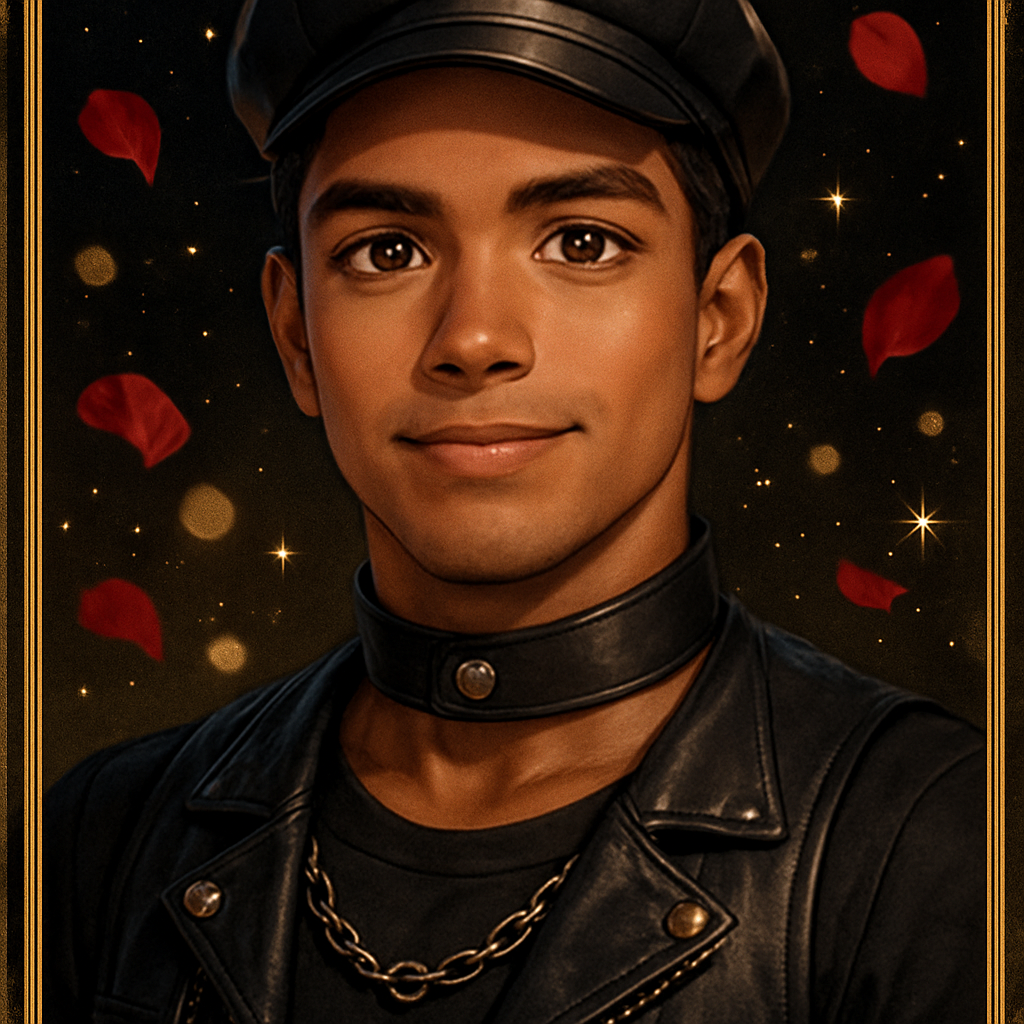
The inner experience of the Leather Boy and Girl identity has a distinctive quality that sets it apart from other submissive roles: a combination of eager attentiveness, developmental momentum, and the particular pleasure of growing within a tradition and a relationship simultaneously. Understanding this inner experience helps clarify whether the identity genuinely fits and what it means to inhabit it with full awareness.
What Devoted Apprenticeship Feels Like
People who genuinely inhabit the Leather Boy or Girl identity tend to describe their experience as having a direction to it that static submission does not. The deference they offer is oriented toward something: toward the development of genuine skill, toward deeper knowledge of the tradition, toward the particular quality of relationship with a mentor-dominant that emerges through sustained service and learning. This directional quality gives the experience its specific texture.
Many leather boys and girls describe a quality of attentiveness that feels both active and pleasurable. The work of reading their Sir or top accurately, of anticipating needs rather than only responding to them, of refining their service through honest assessment of what is working and what is not, these are genuinely engaging rather than merely obligatory. The satisfaction of service done well, of a protocol observed with genuine precision, of care given in exactly the right measure, is central to the inner experience.
The community dimension adds something that is specific to this identity. Knowing that one's practice is embedded in a tradition, that what one is learning has been developed and passed on across generations, and that the service one offers is recognized and valued within a community of practitioners, creates a quality of belonging and meaning that private dynamics alone do not generate. Leather boys and girls who are genuinely embedded in community tend to describe their submission as feeling grounded and substantiated in ways that correspond to this community belonging.
Who Tends Toward This Identity
People drawn to the Leather Boy and Girl identity tend to have a genuine investment in learning and growth as dimensions of their submissive experience rather than submission as purely receptive or static. They are often people who find the study of craft and history genuinely engaging, who are energized by the developmental trajectory of the role, and who want their submission to feel like it is taking them somewhere rather than only giving them something.
A strong orientation toward service, understood as a skilled practice rather than simple compliance, is common among those who find this identity genuinely fitting. Leather boys and girls who approach service as a craft, who want to develop real attentiveness, precision, and anticipatory awareness, are in a different relationship to their submission than those who approach it as a state of being that others manage. The craft orientation matters because it shapes how you engage with the developmental demands of the role.
Mentorship relationships are central to this identity in a way they are not for every submissive practice. People who are drawn to learning from someone more experienced, who find the dynamic of genuine mentorship deeply meaningful, and who want a relationship that is not only about power exchange but about the transmission of knowledge and community standing, are well-suited to the Leather Boy and Girl identity. Those who find mentorship uncomfortable or who prefer to develop entirely through self-direction may find that the role as traditionally understood asks for something they are not drawn to offer.
Recognizing Whether This Fits
The clearest signal that Leather Boy or Girl is genuinely your identity is that the full picture appeals to you: not only the submission and the service, but the learning, the community involvement, the developmental trajectory, and the mentorship relationship. If what draws you is specifically this combination of elements, you are probably in the right territory.
If what draws you is primarily the submission or the specific aesthetic of leather without the developmental and community dimensions, this may still be meaningful but it describes a somewhat different practice than the Leather Boy identity as it exists in the community tradition. There is no shame in identifying that the fit is partial or that a different identity is more accurate; self-knowledge is one of the skills the tradition most respects.
For those who are genuinely new to leather, the question of fit often clarifies through actual community engagement rather than through internal reflection alone. Spending time in leather spaces, building relationships with established practitioners, and taking the first steps in service and learning within a community context provides real information about whether the identity is yours in a way that theorizing about it cannot. The leather tradition has always been a practice-first culture.
Exercise
The Apprenticeship Inventory
This exercise examines what you bring to the leather boy or girl identity and what you are building toward, in order to develop a clear and honest picture of your practice.
- Write about what the developmental dimension of this identity means to you personally. What do you want to learn, develop, or become through inhabiting this role? Be as specific as you can.
- Describe the quality of your service practice at its best: what you are able to provide, how attentive you are, and where you know your service is still developing.
- Write about your relationship to mentorship: are you in a mentorship relationship now, are you seeking one, or have you had significant mentorship in your past? What has mentorship given you, or what do you want it to give you?
- Identify what the community dimension of this identity means to you personally and how it is currently expressed in your practice.
- Write about the gap between where you are now in your leather boy or girl practice and where you want to be. What are you working toward, and what would it look like when you got there?
Conversation starters
- What was the moment you understood that the developmental and apprenticeship quality of this identity was specifically what you were seeking, rather than another form of submission?
- What is the learning dimension of your practice that you find most engaging, and how does it show up in your service?
- How does the community dimension of this identity affect your inner experience of your submission?
- What does the quality of attentiveness in your service feel like when it is at its best, and what conditions allow that quality to be present?
- How does your mentorship relationship shape who you are becoming as a practitioner, and what do you observe yourself developing?
Ways to connect with a partner
- Share with your partner what the developmental dimension of your leather boy or girl practice means to you, and discuss how the dynamic can actively support your growth rather than only your service.
- Ask your partner to describe what they observe when you are at your best in this role, so you can see your inner experience from their perspective.
- Discuss together the specific areas of your practice that are developing, and how your partner can support that development with honest feedback and deliberate opportunities for growth.
- Identify together one thing you want to learn or develop within the next six months through this identity, and make a specific plan for pursuing it within your dynamic.
For reflection
When you imagine your leather boy or girl practice at its fullest and most genuinely developed, what is the quality of your service, your knowledge, and your community belonging in that picture, and what does it say about what you most want from this identity?
The inner experience of devoted apprenticeship is one of BDSM's most distinctive: a form of submission that has direction, skill, community, and the genuine pleasure of growing within something that has real depth.