
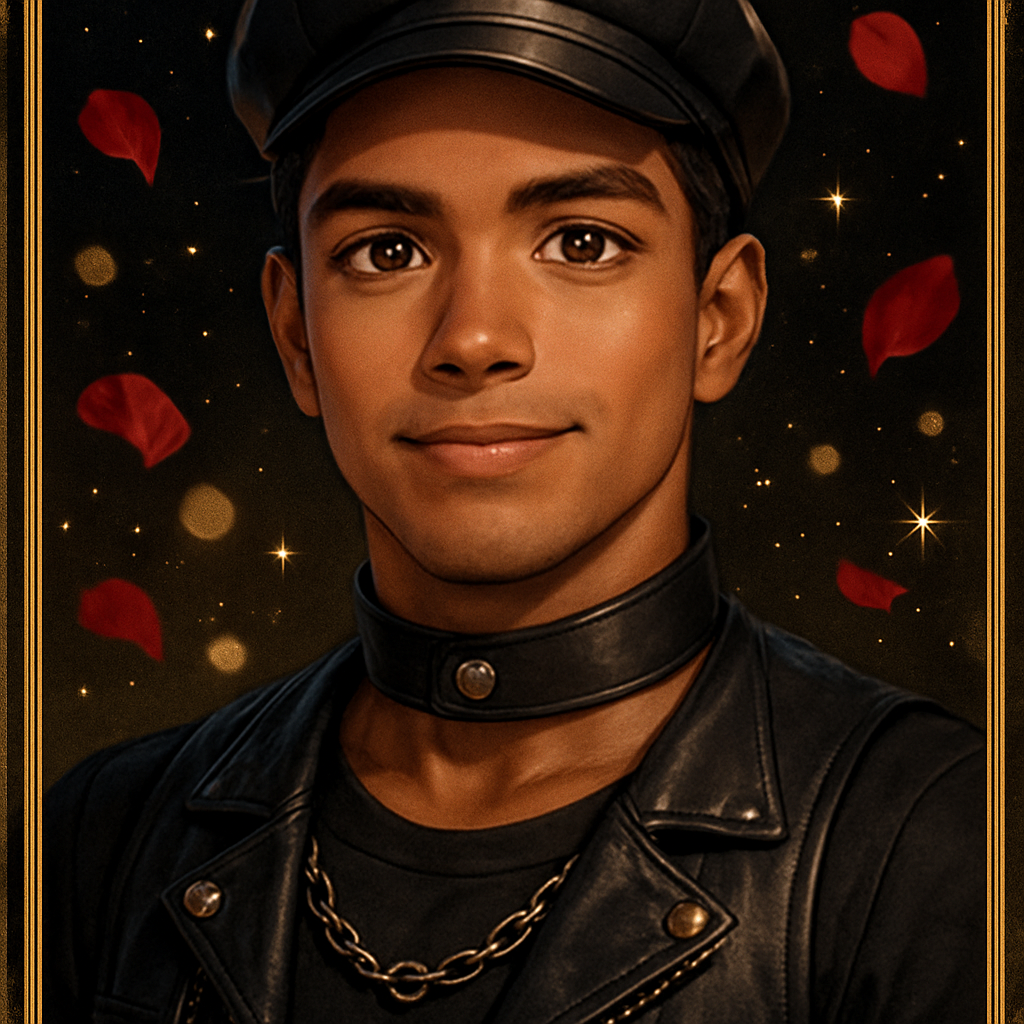
The Leather Boy and Leather Girl identities sit within one of BDSM's most historically grounded traditions, carrying a specific meaning that is distinct from generic submission and that has its own community culture, developmental expectations, and complex gender history. Understanding what this role actually is, rather than what it might appear to be at first glance, is the starting point.
The Meaning of Boy and Girl in This Context
The words boy and girl in leather tradition do not refer to age and do not imply diminishment. They signal a specific relational quality: a combination of devoted service, openness to learning, genuine deference to an established authority figure, and ongoing development within the leather tradition. The leather boy or girl is a practitioner in formation, someone who is actively developing their skills, knowledge, and community standing within a mentorship relationship and community context.
Historically, 'boy' in leather culture was used primarily within male-male leather pairings and did not carry age implications. Contemporary leather communities have expanded the term considerably, and leather girls, leather bois, and gender-nonconforming practitioners have all claimed versions of this identity in ways that honor the relational quality, the apprenticeship dimension, and the community embeddedness of the role while bringing their own experience to what those things mean. What matters is not the specific word but the quality of relationship it describes.
The apprenticeship dimension of this identity is central. In Old Guard leather tradition, boys learned from their tops and Sirs over extended periods, developing both technical skills and community knowledge through direct mentorship. This model has evolved significantly, and contemporary leather boy and girl practice does not require a strict Old Guard framework, but the emphasis on genuine learning and ongoing development distinguishes this identity from static submission.
Community Embeddedness and Tradition
The Leather Boy and Girl identity is not purely a private dynamic; it carries a community dimension that is part of what makes it specifically this identity rather than another form of submission. Leather boys and girls are expected to be engaged in their leather communities: attending events, participating in educational programs, building relationships with established practitioners, and contributing to the social fabric of the community they belong to.
This community embeddedness is one of the distinctive gifts of the leather boy identity. Through community involvement, leather boys and girls have access to accumulated wisdom from practitioners across generations, to formal and informal mentorship relationships, to the specific knowledge of how leather tradition operates in practice, and to a sense of belonging to something that extends beyond any single dynamic. The community dimension is not an additional requirement on top of the private dynamic; it is integral to what the identity is.
Leather community spaces, including leather bars, leather runs, events like International Mr. Leather, leather organizations, and FetLife leather groups, are the environment in which leather boy and girl identity develops its full expression. Practitioners who engage only in private dynamics while avoiding community often find that their practice lacks the depth and accountability that community provides.
The Gender Complexity of the Role
The leather boy and girl identity carries a significant history of gender complexity that is worth understanding honestly. The original leather tradition from which the role emerged was predominantly male and gay, and the 'boy' in leather boy reflected that community's specific social structure rather than a universal template. Women and nonbinary people who have claimed versions of this identity, whether as leather girl, leather boi, or simply leather boy in their own terms, have done so through active community presence and by expanding what the identity can mean.
Contemporary leather communities vary in how they have integrated this expansion. Some communities have been more welcoming than others, and the experience of women and nonbinary leather practitioners has not always been easy within what was historically a male-dominated tradition. Understanding this history, including both its exclusions and its ongoing evolution, is part of the knowledge that the leather boy and girl identity asks its practitioners to develop.
For anyone claiming this identity regardless of gender, the most important question is whether the relational quality, the apprenticeship dimension, the service orientation, and the community investment feel genuinely theirs. Those are the core of what the identity means, and they are available regardless of gender.
Exercise
Locating Yourself in the Tradition
Situating yourself honestly in relation to the leather tradition, including its history and its community, is the starting point for developing this identity with genuine depth.
- Write about your current understanding of the leather community's history. What do you know about where this tradition came from, who built it, and how it has changed? Note honestly what you are curious to learn.
- Consider your current relationship to leather community spaces. Are you attending events, building relationships with community members, engaging with leather organizations? Write an honest assessment of your current community involvement.
- Reflect on the gender history of the leather boy and girl identity. How does that history relate to your own gender identity and experience, and what does it mean for how you understand the role?
- Write a paragraph describing what specifically draws you to this identity rather than to submission more generally. What is the particular quality of apprenticeship, service, and development that feels like it fits you?
Conversation starters
- What does the word 'boy' or 'girl' mean in the leather context to you personally, and how did you come to understand it the way you do?
- What is the community dimension of this identity that matters most to you, and how does it show up in your practice?
- How do you understand the gender history of the leather boy identity in relation to your own gender experience?
- What is the developmental or apprenticeship quality of this role that distinguishes it from other forms of submission you have considered or practiced?
- What community space or relationship has most shaped your understanding of what this identity means?
Ways to connect with a partner
- Discuss together how you each understand the meaning of boy or girl in the leather context and whether your understandings are genuinely aligned.
- Visit a leather community space together and discuss what you each observe about how this identity is held and expressed in that environment.
- Share with your partner what specifically drew you to this identity, including the apprenticeship and developmental dimensions, and invite them to reflect on how those dimensions shape the dynamic between you.
- Identify together what the community dimension of your leather practice means for your relationship and how you want to develop it.
For reflection
What does the apprenticeship quality of the leather boy or girl identity mean to you specifically, and what would you want to develop through this identity that you could not develop through a different form of submission?
The Leather Boy and Girl identity is one of BDSM's most richly developmental roles; understanding what it actually means, rather than what it might appear to mean at first glance, is what allows practitioners to inhabit it with genuine depth.