
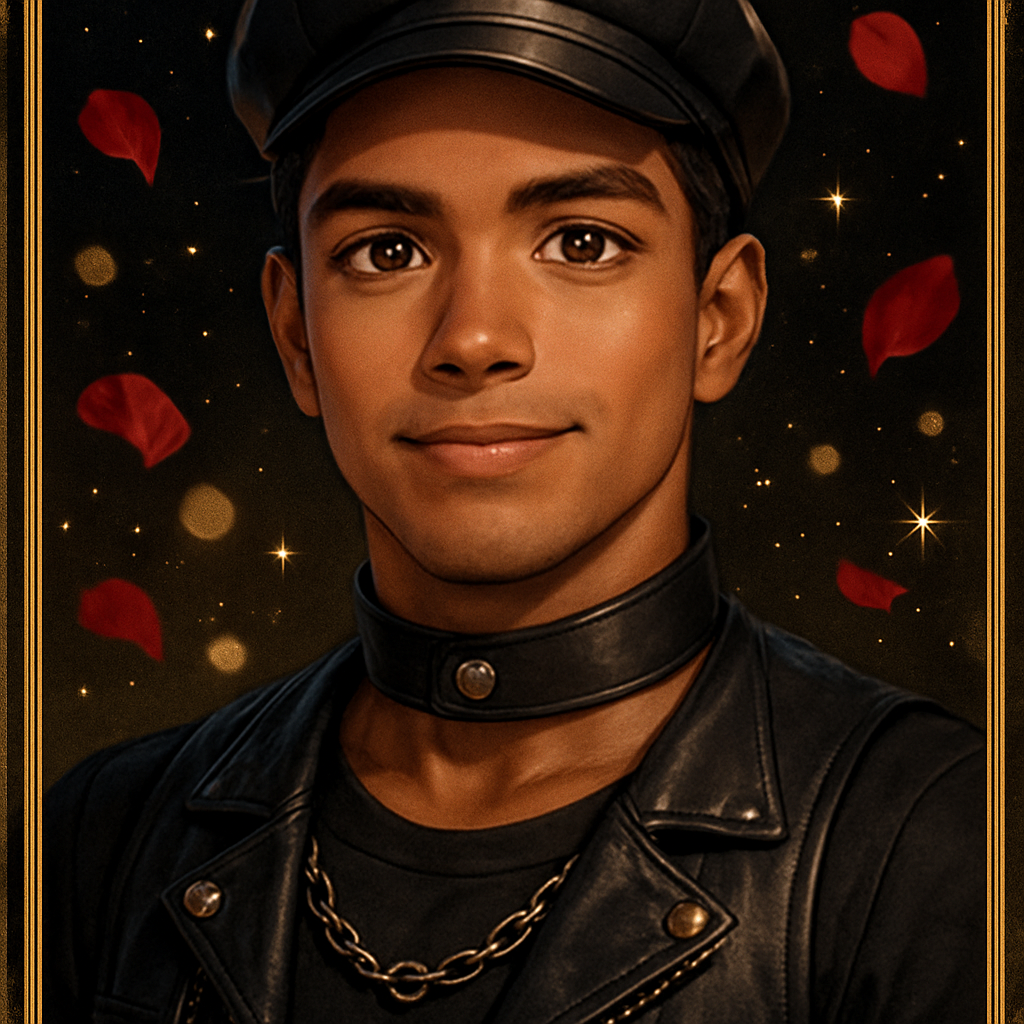
The Leather Boy and Girl identity asks for real development: specific skills practiced to genuine competence, knowledge of the tradition's history and ethics, and investment in the community that gives the role its meaning. This lesson maps what the identity genuinely requires and how to develop it with intention.
Service as a Skilled Practice
Service in the leather boy and girl tradition is not simple compliance or passive availability; it is a skilled practice developed through attentiveness, honest self-assessment, and genuine investment in doing it well. The leather tradition has historically expected that boys and girls bring real skill to their service: precision in following instructions, attentiveness to the needs and preferences of their top or Sir, anticipatory awareness that reduces the number of instructions needed, and genuine care in the execution of every service act.
Developing service skill requires treating it as a craft. This means paying attention to how you serve and how it is received, asking for honest feedback and genuinely incorporating it, studying how more experienced practitioners approach service, and investing in the specific areas where your service is weakest rather than only practicing what comes easily. The leather boy or girl who approaches service this way develops a quality of attentiveness that is genuinely distinctive.
Specific service skills worth developing include: care of leather gear, which involves knowing how to clean, condition, and store leather correctly; scene support, which includes knowing how to prepare for scenes and assist with equipment in ways that genuinely help; protocol adherence, which means knowing the specific expectations of your dynamic and meeting them consistently; and situational awareness, which is the capacity to read what your Sir or top needs without being told, particularly in community settings where their attention may be divided.
Learning the Tradition
The apprenticeship dimension of the Leather Boy and Girl identity requires genuine engagement with the leather tradition's history, ethics, and current community debates. This is not background knowledge to be acquired once and stored; it is a living body of knowledge that grows as the community continues to develop and as the practitioner's experience deepens.
Key areas of knowledge include: the history of the leather community, from its postwar origins through the AIDS crisis and into the contemporary expansion across genders and communities; the specific ethics of leather practice, including the debates between Old Guard and New Guard approaches and the ongoing discussions about hierarchy, consent, and community accountability; the practical knowledge of leather community culture, including the hanky code, flagging traditions, the structure of leather organizations and contests, and the specific norms of the leather spaces you participate in; and the technical knowledge relevant to the types of play and service your dynamic involves.
Engaging with this knowledge is part of what makes leather boy and girl practice distinctly different from other submissive identities. The expectation that you know the tradition you are participating in, that you can speak to it with genuine understanding rather than vague appreciation, and that you engage with its ongoing development rather than only inheriting a fixed picture of it, is one of the distinctive demands the identity places on its practitioners.
Community Investment in Practice
Community investment for leather boys and girls is both a requirement of the identity and one of its primary rewards. The specific forms this investment takes include: attending leather community events and contributing actively rather than only participating; volunteering for the organizational and logistical work that sustains leather spaces and events; building genuine relationships with established practitioners who can provide mentorship, community context, and honest feedback; and supporting newer practitioners in turn as your own experience develops.
The relationship between leather boys and girls and the leather community is reciprocal. The community offers accumulated wisdom, mentorship opportunities, a context that makes the identity legible and meaningful, and the particular belonging that comes from being recognized as part of a tradition. In return, leather boys and girls contribute their time, energy, and developing skill to the community's ongoing work. Those who approach this as a transaction tend to find the community less welcoming; those who approach it as genuine belonging tend to find that the community offers them considerably more than they expected.
- Gear care and maintenance. The specific knowledge and practice of caring for leather gear correctly, including cleaning, conditioning, and storage, for both your own gear and your dominant's.
- Protocol adherence and development. The capacity to learn and consistently maintain the specific protocols of your dynamic, and to develop new protocols with genuine understanding of what they are for.
- Leather community history. Genuine knowledge of the leather tradition's history, including its origins, the impact of the AIDS crisis, the expansion across genders and communities, and the current state of leather culture.
- Scene support skills. The practical knowledge of how to prepare for and support scenes in ways that genuinely help rather than interfere, including equipment management, environment setup, and attentive presence.
- Community participation. Regular, active engagement with leather community spaces and events, including volunteering, building relationships, and contributing to the community's ongoing work.
Exercise
The Skills and Knowledge Inventory
An honest assessment of your current skills, knowledge, and community engagement provides a realistic picture of where you are and what you most need to develop.
- Assess your current service skills specifically: gear care, protocol adherence, anticipatory attentiveness, scene support. For each, note your actual level of competence and where you know you need to develop further.
- Write about the leather community history you know. What events, figures, texts, and traditions are you familiar with? What are you curious to learn more about? Identify one specific gap in your knowledge and name a concrete way to address it.
- Assess your current community investment: events attended in the past year, relationships built with established practitioners, volunteer work done, organizations involved with. Be honest about where your engagement is strong and where it is thin.
- Identify one skill and one area of knowledge where developing your practice would have the most significant impact on the depth and authenticity of your leather boy or girl identity.
- Set a specific, concrete goal for each of the next three months in terms of skill development, knowledge acquisition, or community engagement.
Conversation starters
- What service skill are you most actively developing right now, and what has that development process looked like?
- What aspect of leather community history has felt most relevant or most alive to your own practice, and how did you come to understand it?
- What community relationship has been most formative for your development as a leather boy or girl, and what made it significant?
- How do you balance the practice of service with the practice of learning, when both are making demands on your time and attention?
- What does community investment look like in your practice week to week, and how has it changed as your involvement has deepened?
Ways to connect with a partner
- Share your honest skills and knowledge assessment with your partner and invite their perspective on what they observe in your practice, including both strengths and areas they would like to see develop.
- Identify together one service skill that you want to develop to a higher level, and ask your partner to give you specific feedback on your practice of it over a defined period.
- Discuss together what leather community history feels most alive and relevant to your dynamic, and consider engaging with it together.
- Attend a leather community educational event together and discuss what each of you learned and how it relates to the specific practice you are building.
For reflection
What is the skill or knowledge that you have had to work hardest for in your leather boy or girl practice, and what did that difficulty teach you about what the identity genuinely requires?
The service, learning, and community investment that the Leather Boy and Girl identity requires are not the price of admission; they are the substance of the practice, and developing them is what turns the identity from an aspiration into something real and recognized.