
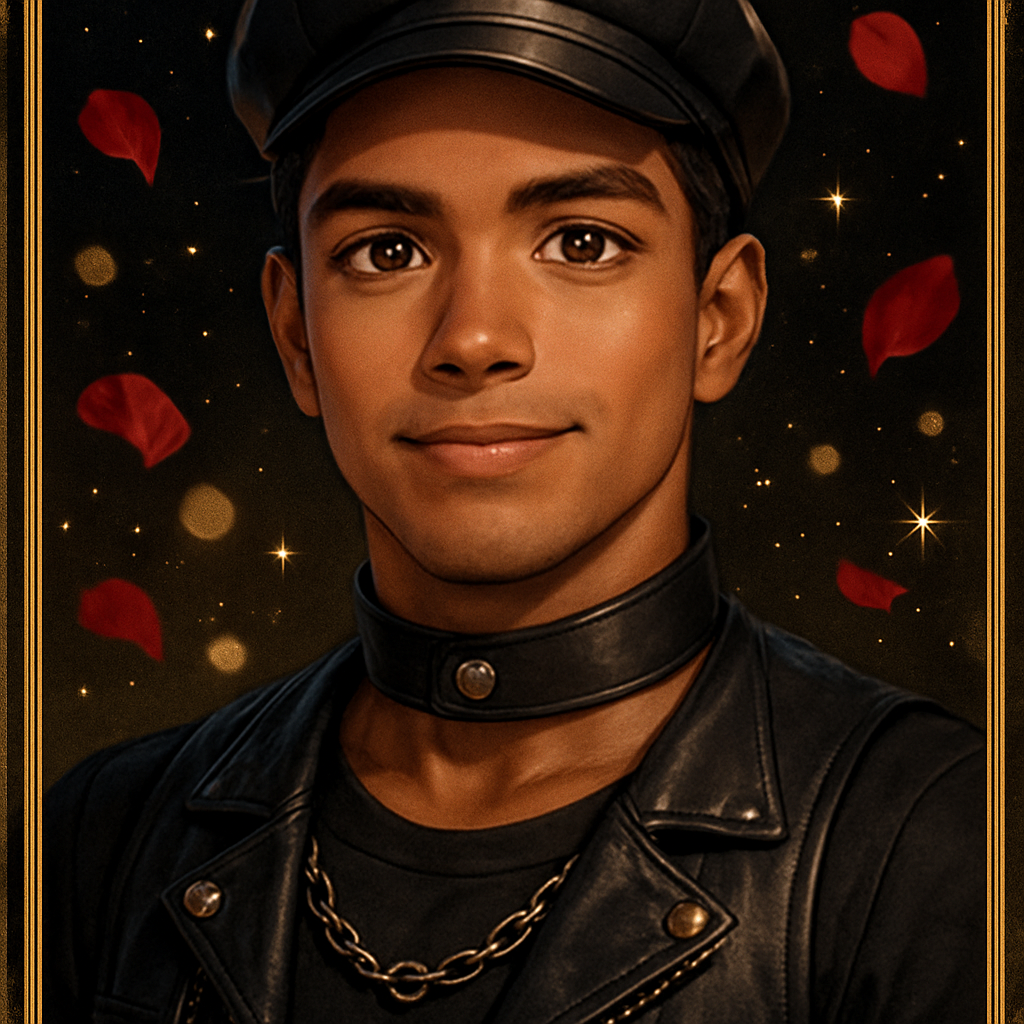
Negotiation and communication in leather boy and girl practice carry specific dimensions that are not always present in other submissive identities: the apprenticeship relationship requires honest conversation about development goals, not only about limits; the community dimension requires discussion of what community involvement means for both people; and the mentorship structure requires clear agreements about what the top or Sir is offering and what the leather boy or girl is committing to in return.
Negotiating the Apprenticeship Dynamic
The leather boy and girl dynamic involves an apprenticeship relationship that requires specific negotiation beyond what a scene-based power exchange demands. Before establishing this kind of dynamic, both people need to be clear about what the mentorship involves: what specific skills or knowledge the top or Sir is offering to teach, what the leather boy or girl is committing to in terms of service, learning, and community engagement, and what the expected trajectory of the relationship is.
For newer leather boys and girls, one of the most common negotiation failures is being unclear about what they are asking for. Generic enthusiasm for the leather tradition and for submission does not constitute a negotiated dynamic; it is the beginning of a conversation, not a completed one. Experienced tops and Sirs in leather community who are considering taking on a leather boy or girl tend to look for genuine self-knowledge, clarity about what the person wants to develop, and honesty about where they currently are in their practice.
Limits, interests, and capacity all need to be negotiated with genuine specificity. The leather boy or girl who arrives at a negotiation saying 'I'm open to most things' is not communicating in a way that allows for genuinely informed consent, and established leather practitioners know this. The more specific you can be about what you want to experience, what you are not ready for, and what you are working toward, the better positioned both people are to build something genuinely meaningful.
Communicating Needs and Development Goals
One of the most important and sometimes most difficult communication practices for leather boys and girls is the honest communication of developmental needs and goals. Many people who are drawn to this identity find it easier to communicate about service and limits than about what they want to grow toward. Asking for teaching, naming what you want to learn, and describing the trajectory you are hoping to follow all require a quality of directness that the submissive position can sometimes make harder.
Directness about development goals is not only appropriate in leather boy and girl dynamics; it is expected. A leather boy or girl who never communicates what they want to become, who only responds to the top's agenda without bringing their own developmental direction, is not participating in the apprenticeship relationship as fully as they might. The healthiest mentorship dynamics are those where the leather boy or girl has genuine investment in their own direction and communicates about it honestly.
Communicating about what is not working is equally important and often more difficult. A leather boy or girl who is not getting the mentorship they need, who finds that the dynamic is not developing their skills in the ways they hoped, or who has concerns about specific elements of the dynamic, needs to be able to raise these concerns honestly. The leather tradition's ethic of care extends to the leather boy or girl's right to communicate about the dynamic's health rather than simply accepting what they receive.
Bringing the Identity to a New Mentor or Partner
Introducing yourself as a leather boy or girl to a potential top, Sir, or mentor requires honesty about both what you want and where you actually are. The leather community has a developed sense of what genuine leather boy and girl practice looks like, and practitioners who present themselves with more standing than they have earned tend to be recognized quickly and received coolly. Honesty about being newer, about what you are working toward rather than what you have already accomplished, and about the genuine effort you are willing to invest is far more likely to result in a meaningful mentorship relationship.
The conversation with a potential mentor should cover: what specifically draws you to the leather boy or girl identity and why you are seeking a mentorship relationship, what specific skills or knowledge you want to develop, what service you are offering and what you can realistically sustain, your current relationship to the leather community and where you want that relationship to go, and your hard and soft limits for the types of play or protocol the dynamic might involve.
For those who are approaching someone they know from community rather than a stranger, the conversation benefits from the context of actual acquaintance and mutual observation. The leather community's preference for mentorship relationships that develop through community connection rather than pure advertisement reflects the accumulated wisdom that genuine mentorship requires genuine knowledge of both people.
Exercise
The Apprenticeship Negotiation Preparation
Preparing thoroughly for a negotiation about a leather boy or girl dynamic, before you have the conversation, allows you to communicate with genuine clarity and to think through what you actually want.
- Write a specific description of what you are offering: the service you can provide, the protocols you can maintain, the community engagement you are committed to, and the learning you are genuinely willing to invest in.
- Write a specific description of what you are seeking: what you want to learn and develop, what kind of mentorship relationship you are hoping for, and what the trajectory of the dynamic looks like in your imagination.
- Write out your limits specifically: the activities that are entirely off the table, the areas where you are open under specific conditions, and the aspects of the dynamic that you need to develop gradually rather than starting at full intensity.
- Identify the questions you would want a potential mentor or top to answer before you established the dynamic, and write out why each question matters to you.
- Reflect on what you would want to be able to say about your practice in a year's time, and use that reflection to clarify what the most important developmental commitments in the dynamic should be.
Conversation starters
- What specifically do you communicate in a first conversation with a potential mentor or top, and how do you balance honesty about your current level with honest expression of your aspirations?
- How do you communicate your developmental goals within an established dynamic without it feeling like you are directing the mentor rather than serving them?
- What is the hardest thing for you to communicate about your limits or needs in a leather boy or girl dynamic, and how have you worked with that difficulty?
- How do you raise concerns about the dynamic when something is not working without feeling like you are undermining the authority structure?
- What do you wish you had known to communicate earlier in your leather boy or girl practice that you know how to say now?
Ways to connect with a partner
- Work through a full negotiation inventory together, with each of you sharing your current offerings, goals, limits, and developmental commitments so that both pictures are genuinely on the table.
- Establish a regular check-in practice where you as the leather boy or girl can share developmental observations and goals honestly, and where the top or Sir can provide feedback on what they are observing.
- Discuss honestly whether the current dynamic is developing your skills and knowledge in the ways you hoped, and whether there are adjustments that would serve your development better.
- Practice the specific conversation you would have with a new potential mentor or top, with your current partner playing the role of that mentor, and notice what is hard to say clearly.
For reflection
What is the most honest thing you have not yet said to your mentor or top about what you want from this dynamic, and what is preventing you from saying it?
Communication in the leather boy and girl dynamic is most effective when it is specific, honest about development goals as well as limits, and grounded in genuine self-knowledge; the apprenticeship relationship deepens when both people know what they are actually building together.